
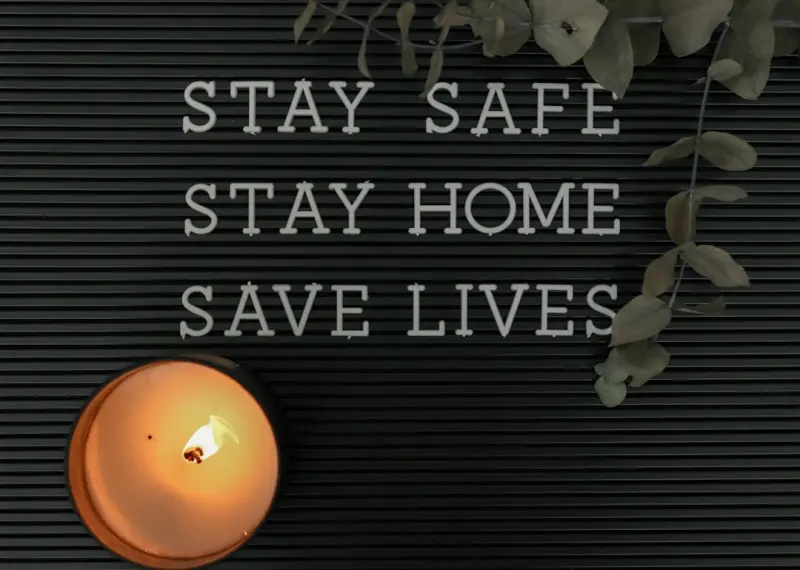
Seeing Safety as a Living System
When I walk through my own kitchen, I notice the way a loose rug, a flickering outlet, and an unopened software update each whisper a different kind of risk, yet they all belong to a single, living system of safety that I tend to every day. Safety isn’t a checklist that you stamp once and forget; it is a rhythm that pulses through the walls of your home, the screens on your phone, and the conversations you share with neighbors. By treating safety as an ecosystem, you give yourself permission to notice the small imbalances before they become emergencies, turning vigilance into a habit rather than a chore. This perspective lets you weave protection into the fabric of daily life, creating a background hum of security that feels as natural as breathing.
Physical Foundations: The Quiet Guardians of Your Space
The first layer of this ecosystem lives in the tangible world of doors, stairs, and smoke detectors, where a single stray cord can become a conduit for a fire that spreads faster than a rumor. I spend a few minutes each week walking the perimeter of my home, testing the click of every lock, feeling the tension of each step‑stool, and confirming that the batteries in my alarms are still strong enough to shout when needed. These routine scans are less about fear and more about honoring the spaces where we sleep, eat, and laugh; they become a meditation on the value of the walls that hold our lives together. By integrating these inspections into a weekly rhythm, you not only catch hazards early but also reinforce a mental model that sees safety as an integral part of caring for your environment.
Digital Defense: Protecting the Invisible Pathways
Beyond the bricks and timber, the invisible pathways of Wi‑Fi and cloud storage carry a different set of predators that lurk behind a friendly‑looking email or a seemingly harmless app update. I’ve learned to treat every password like a physical key—unique, sturdy, and stored in a secure lockbox, whether that’s a reputable password manager or a handwritten ledger kept in a fire‑proof safe. Regularly reviewing app permissions, enabling two‑factor authentication, and keeping software patched are the digital equivalents of checking the fire extinguisher or tightening a loose railing. When you approach your online world with the same deliberate care you give a kitchen knife, you reduce the chance that a small slip will cause a cascade of data loss or identity theft, keeping the digital layer of your safety net as robust as the physical one.
Emotional Resilience: The Soft Armor of Boundaries
Physical and digital safeguards are only half the story; the third, often overlooked layer is emotional safety, the soft armor that protects our mental wellbeing from stress, burnout, and toxic interactions. I practice a simple habit of naming my emotional states each evening, a quick audit that reveals when a conversation, a news story, or a lingering worry has breached my inner boundaries. By acknowledging these moments, you can set clear limits—turning off notifications, stepping away from heated debates, or scheduling a calming walk—much like you would close a door to keep out unwanted drafts. This practice cultivates a sense of agency, reminding you that safety also means protecting the space inside your head, and that emotional boundaries are just as essential as physical ones.
Community as a Safety Net: Building Trust in the Neighborhood
While individual habits form the backbone of personal safety, the surrounding community acts as the connective tissue that can catch you when you stumble. I’ve started a monthly “safety coffee” with a handful of neighbors, where we swap updates about recent incidents, share tips on securing homes, and coordinate quick check‑ins for anyone who might be traveling or feeling unwell. This collective vigilance creates a shared sense of responsibility, turning strangers into allies who can notice a cracked sidewalk, a broken streetlight, or an unfamiliar vehicle before it becomes a problem. By investing in these relationships, you expand your safety perimeter beyond your own front door, making the neighborhood itself a living, breathing safety net.
Integrating Habits: The Daily Safety Ritual
To keep these layers from feeling like separate chores, I weave them into a single daily ritual that feels more like a mindfulness practice than a to‑do list. In the morning, while I’m brewing coffee, I glance at the weather app, glance at the security camera feed, and mentally rehearse the route I’ll take to work, noting any construction zones or traffic alerts. During lunch, I take a moment to scan my inbox for suspicious messages, update a password if needed, and send a quick check‑in text to a neighbor. In the evening, after dinner, I do a quick walkthrough of the house, test the smoke alarm, and close the blinds, while also reflecting on any emotional triggers I experienced that day. This integrated routine ties the physical, digital, and emotional strands together, turning safety into a seamless flow rather than a series of isolated tasks.
Smart Tools and Simple Tech: Enhancing the Invisible Guard
Technology can amplify the effectiveness of your safety ecosystem without demanding a steep learning curve. Smart plugs that cut power to appliances when you’re away, motion‑sensing lights that deter intruders, and voice‑activated assistants that can call emergency services with a single command are modest investments that pay dividends in peace of mind. I also rely on a family‑sharing app that syncs everyone’s emergency contacts, medical information, and location data, ensuring that help is just a tap away. While these tools are valuable, they work best when paired with the habits described earlier; a sensor can alert you to a leak, but only if you respond promptly and have a plan for shutting off the water supply. By pairing smart tech with disciplined routines, you create a feedback loop that continuously refines your safety posture.
Playful Protection for Children: Learning Safety Through Exploration
Children absorb lessons best when they’re wrapped in fun, and turning safety into a game can embed lifelong habits without the resistance that often comes with adult‑centric rules. I recently introduced a “Safety Scavenger Hunt” at home, where my kids earn stickers for locating fire extinguishers, identifying the nearest exit, and demonstrating how to lock a door without assistance. This playful approach mirrors the ideas explored in Playful safety strategies for kids, but it extends the concept to everyday household routines, reinforcing that vigilance can be a shared adventure. By celebrating small victories, you encourage children to view safety as an empowering skill rather than a set of restrictions, laying the groundwork for confident, responsible adults.
Conclusion: Cultivating a Culture of Continuous Care
The most resilient safety systems are those that evolve with us, adapting to new technologies, changing neighborhoods, and shifting emotional landscapes. By treating safety as a layered, living ecosystem—one that blends physical checks, digital defenses, emotional boundaries, community partnerships, and smart tools—you create a holistic shield that feels natural rather than burdensome. I invite you to start small: pick one habit from each layer, practice it consistently for a week, and observe how it reshapes your perception of risk and reassurance. Over time, these practices coalesce into a culture of continuous care, where safety is not a destination but a journey you travel with confidence, curiosity, and the support of those around you.

Margaret Thomson is a seasoned freelance writer specializing in the dynamic worlds of marketing and advertising. With a career deeply rooted in the marketing field, Margaret brings a wealth of practical experience and insightful knowledge to her writing.
Related Posts

Invisible Hazards: Safeguarding Your Remote Workspace
A deep dive into the unseen risks of remote work and actionable tactics to secure your workspace, bo... Read More

Quiet Confidence: Everyday Safety Strategies for the Modern Urbanite
A personal guide to subtle, daily safety habits—tech tricks, environment tweaks, and community rit... Read More

The Missing Piece in Remote Work: Psychological Safety
Psychological safety is the unseen catalyst that turns distributed teams into high‑performing unit... Read More
Top Posts

Why Speed Is the Secret Ingredient Behind Today’s Food Craze
Speed now flavors every bite, from instant gourmet meals to AI‑driven menus, turning convenience into a creative, sustainable food revolution....Read More

How to Combat Itchy Eyes Caused By Allergies
Few sensations are as maddeningly persistent and disruptive as the relentless itch of the eyes. When allergies strike, this common symptom can transform a clear...Read More

LinkedIn as a SaaS Growth Engine: Community, Storytelling, and Data‑Driven Outreach
LinkedIn isn’t just a resume site—it's a living sales funnel. Learn how to build micro‑communities, share story‑first content, and leverage data‑drive...Read More

Unexpected Gift Ideas That Turn Moments into Memories
Explore innovative gift concepts that go beyond the usual, from curated experiences to eco‑friendly surprises, turning each moment into a memorable story....Read More
0 Comments
Post Comment
You will need to Login or Register to comment on this post!