
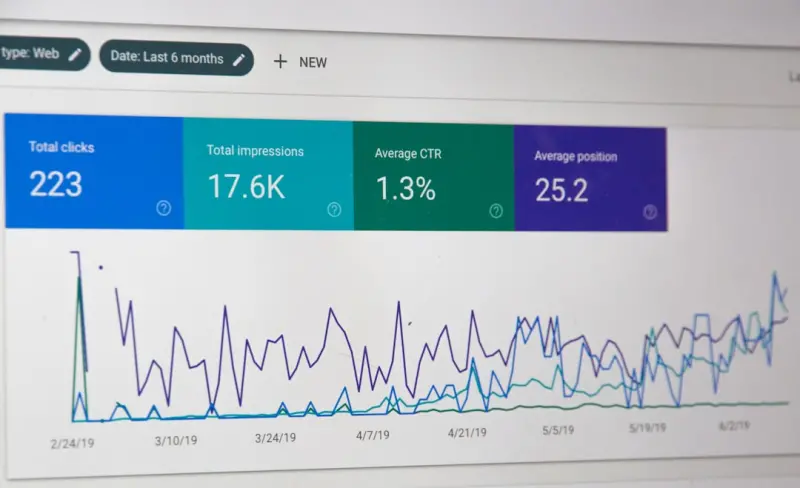
When I first stared at a Google results page and saw a carousel of images, a knowledge panel, and a featured snippet all jostling for attention, I felt the same mix of awe and anxiety that many of us still experience today. The SERP is no longer a simple list of blue links; it’s a dynamic, algorithm‑driven marketplace where real‑estate is bought and sold in milliseconds. In this piece, I’ll walk you through why SERP volatility is the hidden cost of modern SEO, how to read the subtle signals that predict it, and what concrete steps you can take to future‑proof your rankings.
The Anatomy of a Volatile SERP
Before we can tame volatility, we need to understand what makes a SERP wobble. There are three primary forces at play:
- Feature churn. Google introduces, retires, or reshuffles rich results (e.g., “People also ask,” video carousels, “Top stories”) on a weekly cadence. When a new feature appears, it can siphon clicks away from traditional organic listings.
- Algorithmic recalibrations. Core updates, spam‑filter adjustments, and relevance tweaks shift the weighting of signals like backlinks, dwell time, and structured data.
- Search intent drift. Users’ questions evolve. A query that once signaled “informational” might now be “transactional” because a new product or service entered the market.
These forces intersect, creating a perfect storm where a page that was solidly in the top three one week can tumble to the fifth or sixth position the next.
Why Volatility Matters for B2B SaaS
In the SaaS world, leads are high‑value, high‑cost assets. A dip in SERP position can translate to dozens of missed trial sign‑ups or demo requests. Moreover, the velocity of traffic loss is often more damaging than the loss itself. A sudden 30% drop in impressions over a weekend can cripple a pipeline that was counting on steady inbound flow.
But volatility isn’t purely a threat; it can also be an opportunity. When a competitor’s featured snippet disappears, a well‑structured answer box can capture that prime real‑estate overnight. The key is to have a systematic approach that lets you pivot quickly.
Reading the Early Warning Signs
Spotting volatility before it hits your analytics dashboard requires a blend of data vigilance and intuition. Here are the signals I watch like a hawk:
- Feature detection alerts. Tools that monitor SERP layouts for specific queries can flag when a new carousel or panel appears. Set up email alerts for your top‑performing keywords.
- Impression volatility index. Track week‑over‑week changes in impressions for each keyword. A swing of more than 15% without a corresponding content update is a red flag.
- Click‑through pattern shifts. A sudden dip in CTR on a keyword that still holds a top‑three position often indicates a new feature stealing clicks.
- Structured data health checks. Run periodic validation of your schema markup. Google may deprecate a type (e.g., “FAQPage”) or adjust the required properties, causing a feature to disappear.
By integrating these checks into your SEO dashboard, you’ll catch volatility in its infancy and have the breathing room to respond.
Strategic Pillars for SERP Stability
Once you’ve built a monitoring system, the next step is to embed resilience into your SEO strategy. I organize this into three pillars: Diversify, Deepen, and Automate.
1. Diversify Your SERP Real‑Estate
Relying solely on the traditional blue‑link is a recipe for panic. Instead, aim to occupy multiple SERP features:
- Featured Snippets. Craft concise, paragraph‑style answers (40‑50 words) that directly address common questions in your niche. Use ordered lists when appropriate; Google loves step‑by‑step formats.
- FAQ Schemas. Even if you’re not publishing a dedicated FAQ page, sprinkle schema‑tagged Q&A blocks throughout blog posts. This can earn you a “People also ask” box.
- Video Carousels. Repurpose product demos or tutorial snippets into short, captioned videos. Host them on YouTube, embed schema, and you may appear in the video carousel for “how‑to” queries.
- Local Pack. If your SaaS has a physical office or hosts events, claim your Google Business Profile and optimize it. Even B2B companies see local pack impressions for “SaaS conferences near me.”
Each additional feature acts as a safety net—if one collapses, the others keep the traffic flowing.
2. Deepen Content Relevance with Structured Data
Structured data is the language Google uses to understand your page’s purpose. Investing in schema is not just a technical checkbox; it’s a strategic asset against volatility. Here’s how to make it work for you:
- Audit existing markup. Use the Rich Results Test to identify missing or outdated properties. Fix errors before they cause a feature to drop.
- Layer schemas. Combine
Product,Review, andFAQon a single page where relevant. This multi‑layered approach increases the chances of landing a rich result. - Stay ahead of deprecation. Follow the Privacy‑First Marketing Stack announcements and schema.org updates. Early adopters often reap the most prominent SERP placements.
Remember, schema is a living asset. Schedule quarterly reviews to align with Google’s evolving specifications.
3. Automate Response Workflows
If you spend hours manually adjusting meta titles after a core update, you’ll be forever reacting instead of leading. Automation can turn volatility into a controlled variable.
- Dynamic meta tags. Use server‑side logic to inject keyword‑specific titles and descriptions based on search intent signals. This ensures relevance even when the SERP layout shifts.
- Content variation engines. Deploy a CMS plugin that serves alternate paragraph structures (list vs. paragraph) to test which format wins the featured snippet for a given query.
- Alert pipelines. Connect your feature detection alerts to Slack or Microsoft Teams. A single message can trigger a content team sprint to produce a new schema‑rich answer.
Automation doesn’t replace human insight—it amplifies it, letting you focus on creative problem solving rather than firefighting.
Case Study: Turning a Volatile Keyword Into a Snippet Stronghold
One of our SaaS clients noticed a 28% impression drop on the keyword “cloud cost optimization tool.” After digging, we discovered a new “Top answer” carousel had emerged, pushing the traditional organic result down. Here’s the step‑by‑step rescue plan we executed:
- Identify the snippet format. The carousel favored concise, bullet‑point answers.
- Create a dedicated “How‑to” page. We rewrote the core content into a 5‑step list, each step under 30 words, and added
HowToschema. - Publish a short video walkthrough. The video was uploaded to YouTube with a transcript that mirrored the list steps, then embedded on the page.
- Set up a monitoring alert. Using a SERP feature detection tool, we received a notification when the carousel appeared for related queries.
- Iterate based on performance. Within two weeks, the page captured the “Top answer” slot for three long‑tail variations, recovering 22% of lost impressions.
The lesson? Volatility can be transformed into an advantage when you act quickly and diversify your SERP assets.
Future‑Proofing Your SEO Roadmap
To keep your SaaS visible amidst the ever‑shifting SERP landscape, embed the following practices into your yearly SEO calendar:
- Quarterly feature audits. Review the top 10 SERP features for your primary keywords. Note any new entrants and assess whether you can claim them.
- Bi‑annual schema refresh. Align your markup with the latest schema.org releases and Google guidelines.
- Annual intent mapping. Conduct a workshop with product, sales, and support teams to map how user intent evolves as your product matures.
- Continuous learning. Subscribe to Google’s Search Central blog, attend the Search Central Summit, and keep an eye on community forums for early whispers of upcoming changes.
By institutionalizing these rituals, volatility becomes a predictable rhythm rather than a surprise shock.
Leveraging the Bigger Picture: Content Experience Meets SERP Strategy
While this article focuses on SERP volatility, remember that it’s part of a broader ecosystem. A well‑crafted content experience—clear headings, engaging visuals, and purposeful internal linking—feeds the signals that Google evaluates when deciding who gets the coveted real‑estate.
If you haven’t yet, take a look at Crafting On‑Page Experiences That Rank and Convert. The principles there dovetail perfectly with SERP stability: a page that delights users will naturally earn higher dwell time, lower bounce rates, and, ultimately, more resilient rankings.
Takeaway Checklist
- Set up feature detection alerts for your top keywords.
- Maintain a live inventory of structured data types used across your site.
- Diversify SERP presence: aim for snippets, FAQs, videos, and local packs.
- Automate meta and content variations to respond swiftly to changes.
- Schedule quarterly reviews to align with Google’s evolving SERP features.
In the end, the SERP is a living organism—ever‑changing, sometimes unpredictable, but always rewarding to those who treat it with the same strategic rigor you apply to product development. Embrace volatility as a catalyst for innovation, and you’ll not only survive the shifts; you’ll thrive on them.

Margaret Thomson is a seasoned freelance writer specializing in the dynamic worlds of marketing and advertising. With a career deeply rooted in the marketing field, Margaret brings a wealth of practical experience and insightful knowledge to her writing.
Related Posts

Beyond the Snippet: Mastering SERP Features for B2B SaaS Growth
The SERP has become a multi‑modal canvas where users can answer, compare, and even start a trial w... Read More

The Evolution of SERPs: Navigating the Changing Landscape of Search Engine Results
The evolution of SERPs is a complex and ever-changing landscape. Stay up-to-date on emerging trends ... Read More

Riding the SERP Wave: How Real‑Time Features Are Reshaping Visibility
The SERP has evolved from a static list to a dynamic, AI‑driven interface. This post reveals how B... Read More
Top Posts

Why Bing Is the Quiet Powerhouse Marketers Can’t Afford to Ignore
Bing’s market share, AI-driven results, and deep ties to Microsoft’s ecosystem make it a hidden goldmine for marketers. This guide reveals practical tactics...Read More

Balancing Speed and Slow Living in the Modern Garden
Explore the sweet spot where fast garden tools meet slow, mindful cultivation—learn to grow abundantly while staying grounded....Read More

Design Systems as Living Organisms: Adaptive Micro‑Interactions for the Next‑Gen Web
A deep dive into turning design systems into living organisms, using adaptive micro‑interactions to create web experiences that learn, evolve, and stay ahead ...Read More

The Power of TikTok: How to Leverage the Platform for Sustainable Growth
TikTok has taken the world by storm, with over a billion active users. Learn how to leverage the platform for sustainable growth, including tips on creating eng...Read More
0 Comments
Post Comment
You will need to Login or Register to comment on this post!