

Why Ambient Soundscapes Are the Unsung Heroes of Health
When I first moved into a downtown loft with floor‑to‑ceiling windows, I thought the view would be my biggest wellness upgrade. Instead, I found myself reaching for noise‑cancelling headphones at the end of each day, as the street’s relentless sirens and chatter seeped through the glass. It was a revelation: sound isn’t just background—it’s a living, breathing part of our environment that can either sabotage our health or serve as a quiet catalyst for calm, focus, and even physical recovery.
The Science Behind the Hum
Neuroscientists have long known that our auditory cortex is a hyper‑responsive hub. A steady, low‑frequency hum—think ocean waves, gentle rain, or the subtle rustle of leaves—activates the parasympathetic nervous system, the part of the brain responsible for “rest‑and‑digest” functions. When this system is engaged, cortisol levels dip, heart rate steadies, and the brain’s default mode network (DMN) can reset, clearing mental clutter and fostering creative insight.
Contrast that with the jarring spikes of traffic horns or the high‑pitched beeps of a smartphone notification. Those sounds trigger the sympathetic nervous system, raising adrenaline and keeping us in a perpetual fight‑or‑flight state. Over weeks and months, that chronic arousal can translate into insomnia, digestive upset, and even elevated blood pressure.
Soundscapes at Work: From Noise Pollution to Productivity
In my consulting practice, I’ve seen executives swear by “focus playlists,” yet most of those are curated playlists of popular songs, which come with lyrical distractions. The next evolution is ambient sound design—purposefully engineered audio layers that complement the visual and tactile elements of a workspace.
- White‑noise generators mask unpredictable chatter, allowing deep‑work blocks to flow uninterrupted.
- Nature‑based sound loops (forest canopy, distant thunder) have been shown in a Harvard study to boost attention span by up to 30%.
- Binaural beats at theta frequencies (4‑7 Hz) can gently guide the brain into a meditative state, perfect for brainstorming sessions.
Implementing these soundscapes doesn’t require a costly speaker system. Simple Bluetooth devices, paired with a curated playlist, can turn a sterile cubicle into a sanctuary for mental stamina.
Health Benefits You Can Feel Today
Beyond the cognitive edge, soundscapes impact physical health in three measurable ways:
- Stress reduction: A five‑minute exposure to consistent water sounds lowers heart rate variability, a key marker of stress resilience.
- Sleep hygiene: Playing gentle rain or low‑frequency tones for 30 minutes before bed can shorten sleep onset latency, especially for light sleepers.
- Pain modulation: Research in the Journal of Pain Management indicates that patients who listen to soothing ambient audio report up to a 20% reduction in perceived chronic pain.
These outcomes stack, meaning a daily habit of purposeful listening can compound into noticeable improvements in overall wellbeing.
Creating Your Personal Sound Sanctuary
Start small. Pick a single area in your home or office where you spend the most time—your desk, a reading nook, or even the bathroom (yes, the bathroom!). Install a discreet speaker or a smart‑home device that can stream high‑quality audio. Then, follow these three steps:
- Identify the purpose: Are you looking to focus, relax, or sleep? Choose sounds that match the goal.
- Set a schedule: Consistency trains the brain. For focus, turn on the soundscape during your first two deep‑work hours. For relaxation, cue it an hour before bedtime.
- Iterate: Pay attention to how your body reacts. If a particular sound feels intrusive, swap it out. The goal is a seamless, almost subconscious background.
Integrating Soundscapes with a Holistic Health Routine
If you’re already using the Secret Health Toolkit for Remote Professionals, you’ll appreciate how sound fits naturally into a broader wellness framework. Pair a morning breathing exercise with a low‑frequency drone to deepen diaphragmatic activation. Follow up a midday walk with a field‑recording of birdsong to reset your nervous system before diving back into emails.
Consider the “four‑S” model I’ve coined for sustainable health:
- Sound: Ambient audio that supports your mental state.
- Stretch: Micro‑movement breaks that prevent musculoskeletal strain.
- Sip: Hydration reminders timed with auditory cues.
- Savor: Mindful meals accompanied by gentle kitchen sounds (the sizzle of sautéed vegetables, for example).
When these elements align, you create a feedback loop where each habit reinforces the others, leading to lasting health gains.
Tech Tips: Curating High‑Quality Soundscapes
Not all audio is created equal. Low‑bit MP3s can introduce harsh frequencies that counteract the calming intent. Invest in lossless formats (FLAC or WAV) when possible, or use reputable streaming services that offer high‑resolution sound. Additionally, consider the spatial qualities of your speakers: stereo placement can create a sense of immersion, while a single mono source might feel flat and less effective.
For teams, a shared “focus channel” on platforms like Slack or Teams can broadcast a consistent soundscape across all members’ desktops, fostering collective concentration. This simple hack has turned chaotic open‑office environments into coordinated “quiet zones,” boosting overall productivity without the need for a formal “quiet hour” policy.
Looking Ahead: The Future of Audio‑Centric Wellness
We’re already seeing AI‑driven platforms that analyze your heart rate variability in real time and automatically adjust the ambient sound to optimize calm or alertness. Imagine a future where your workspace learns when you’re slipping into burnout and subtly shifts the acoustic backdrop to re‑engage you before a crisis hits.
Until then, the power lies in your hands (and ears). By deliberately shaping the sonic environment around you, you can reclaim control over stress, sharpen focus, and nurture a healthier body and mind—one gentle hum at a time.

Margaret Thomson is a seasoned freelance writer specializing in the dynamic worlds of marketing and advertising. With a career deeply rooted in the marketing field, Margaret brings a wealth of practical experience and insightful knowledge to her writing.
Related Posts

How to Get into a Weight Loss Routine
Losing weight is a journey, and like any journey, it requires a well-planned route to reach your des... Read More

10 Effective Ways to Ease Tension Headaches
Tension headaches, often characterized by a dull, aching pain around the forehead, temples, or back ... Read More

How to Combat Itchy Eyes Caused By Allergies
Few sensations are as maddeningly persistent and disruptive as the relentless itch of the eyes. When... Read More
Top Posts

When Data Meets Democracy: Rethinking Power in the Digital Era
A deep dive into how continuous data feedback loops, ethical AI, and digital civics can transform traditional politics into a dynamic, accountable system....Read More

From Eco‑Friendly Upgrades to Pet‑Friendly Hacks: My 2024 Home Improvement Journey
Amanda shares her 2024 home makeover secrets, blending eco‑friendly upgrades, pet‑friendly designs, and smart tech to create a stylish, sustainable living s...Read More
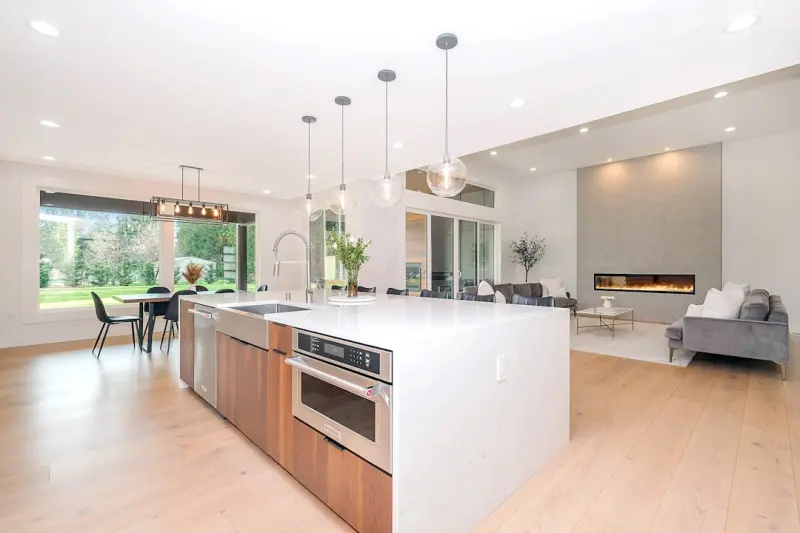
Micro‑Remodeling: Tiny Tweaks, Big Home Impact
Micro‑remodeling focuses on strategic, bite‑sized upgrades—like lighting, hardware, and smart automation—that dramatically improve comfort, functionalit...Read More

The Evolution of Eco-Friendly Fashion: How Sustainable Living is Revolutionizing the Industry
The fashion industry is undergoing a significant transformation, driven by the growing demand for sustainable and eco-friendly fashion. Learn how sustainable li...Read More
0 Comments
Post Comment
You will need to Login or Register to comment on this post!