
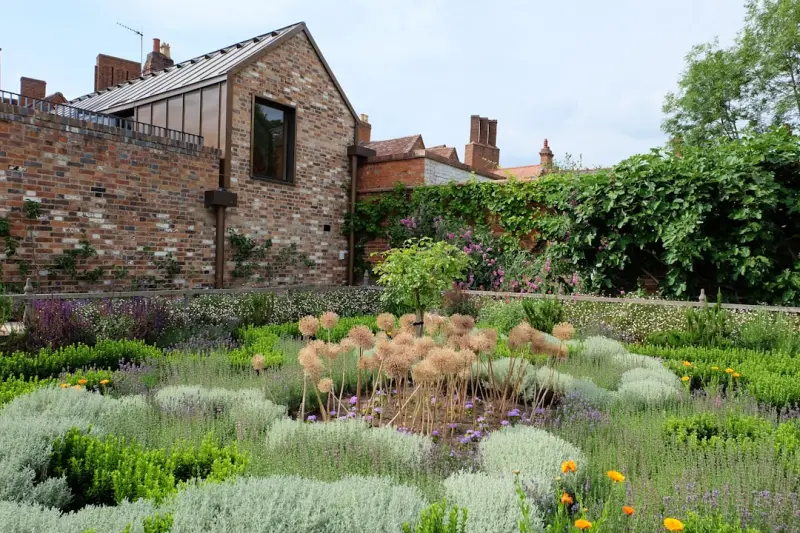
Why a Garden Should Be Felt Before It Is Seen
When I first stepped into a garden that smelled of lavender, rosemary, and fresh earth, I realized that the most powerful memories are not captured by sight alone, but by the subtle orchestra of scent, texture, and sound that my fingertips and nose can perceive; this revelation reshaped my entire planting philosophy, urging me to curate spaces that invite a gentle, immersive dialogue between the body and the soil. In the hustle of modern life, the garden becomes a sanctuary where each breeze carries a story, each leaf offers a tactile whisper, and every rustle reminds us that nature’s language is multidimensional, urging us to slow down and listen with more than just our eyes. By designing with the senses in mind, we transform a simple plot of earth into a living, breathing companion that nurtures the soul as much as it feeds the body.
Crafting Aromatic Pathways with Herbs and Flowers
One of my favorite experiments involves planting a winding path lined with fragrant herbs such as thyme, sage, and lemon balm, interspersed with blooms like sweet peas and stock, which release their perfume most intensely at dusk, creating a lingering scent trail that guides late‑evening strolls and invites quiet reflection; the key is to stagger planting times so that there is always something in bloom, ensuring a continuous aromatic experience throughout the growing season. I often pair these fragrant borders with low‑lying foliage like creeping thyme, which not only adds a subtle scent underfoot but also creates a soft carpet for bare feet, turning each step into a sensory delight that grounds the mind and encourages mindful walking. Choosing varieties that thrive in your microclimate ensures that the garden remains fragrant year after year, making the scent itself a reliable thread that weaves through the changing seasons.
Touch: Selecting Textured Foliage for Hand‑Friendly Exploration
The tactile dimension of a garden is often overlooked, yet incorporating plants with varied leaf surfaces—from the velvety leaves of lamb’s ear to the glossy, almost metallic sheen of ornamental kale—provides an invitation for gentle, curiosity‑driven touch, allowing children and adults alike to engage directly with growth and change; I deliberately place these texture‑rich plants at reachable heights, creating an interactive gallery where each leaf tells a story through its feel. By integrating grasses such as fountain grass, whose feathery plumes sway and brush against the skin, and seed heads like those of nigella, which offer a soft, almost silky sensation, the garden becomes a living tactile museum that encourages exploration without the need for tools or gadgets. The deliberate arrangement of these plants along pathways and in low borders turns ordinary walks into purposeful, sensory‑rich journeys that foster a deeper connection to the earth.
Soundscapes: Using Plants and Water to Compose Natural Music
Imagine a garden where the gentle rustle of silver dollar eucalyptus leaves, the soft chime of seed pods, and the subtle murmur of a rain‑catchment barrel combine to form a natural soundtrack that soothes the mind; I achieve this effect by planting wind‑responsive species such as bamboo and ornamental grasses, whose slender stalks produce a calming whisper when breezes pass through, and by situating water features—like a modest recirculating pond or a simple rain chain—that add rhythmic trickles to the auditory palette. The strategic placement of these elements near seating areas ensures that the soundscape becomes an integral part of relaxation routines, allowing the garden’s music to accompany reading, meditation, or casual conversation, thereby enriching the overall sensory experience without the need for electronic amplification. By embracing the garden’s innate acoustic qualities, we invite a peaceful symphony that resonates long after the sun sets.
Seasonal Color Flow: Planning a Palette That Evolves Over Time
To keep the garden visually compelling while supporting its sensory goals, I map out a color progression that mirrors the natural rhythm of the seasons, selecting early‑spring crocuses in soft purples, summer marigolds in vibrant oranges, and autumn asters in deep reds, each stage offering a distinct visual cue that signals the passage of time and encourages mindful observation; this intentional palette not only delights the eye but also complements the garden’s scent and texture, creating a cohesive multisensory narrative. By grouping plants with complementary hues and overlapping bloom periods, I ensure that there is always a focal point, whether it’s a burst of pink in late summer or a subtle golden glow in late fall, making each visit feel fresh and rewarding. The seasonal color story becomes a visual diary that, when paired with aromatic and tactile elements, transforms ordinary gardening tasks into celebratory moments of discovery.
Soil as a Living Canvas: Building a Foundation for Sensory Plants
Healthy, thriving soil is the unsung hero behind every successful sensory garden, and I treat it as a living canvas, enriching it with composted kitchen scraps, aged manure, and mycelium inoculants that foster a robust network of beneficial fungi, which in turn enhances nutrient uptake and improves plant resilience; this organic foundation not only supports the aromatic herbs and textured foliage but also encourages deeper root systems that stabilize the garden’s microclimate. Regularly mulching with shredded leaves and straw helps retain moisture, suppress weeds, and create a soft, crumbly surface that feels inviting underfoot, turning even the act of walking through the garden into a gentle, grounding experience. By viewing soil health as an ongoing, interactive process, gardeners can witness the invisible life beneath their feet, reinforcing the garden’s role as a holistic, multisensory sanctuary.
Welcoming Beneficial Visitors: Designing for Pollinators and Birds
While the focus of a sensory garden is human experience, inviting pollinators and small birds adds another layer of sound, movement, and visual intrigue, enriching the overall atmosphere; planting nectar‑rich flowers such as echinacea, coneflower, and bee balm provides a reliable food source, while installing simple bird feeders and low‑profile perches encourages avian visitors whose melodic calls become an integral part of the garden’s soundtrack. I also incorporate seed heads that persist into winter, offering both food for finches and a striking visual texture against the bare landscape, ensuring the garden remains lively and engaging even when the primary blooms have faded. This harmonious coexistence with wildlife not only supports ecosystem health but also deepens the sensory tapestry, allowing garden‑goers to feel part of a larger, thriving community.
DIY Touches: Repurposing Everyday Items into Garden Features
Creating a sensory garden on a modest budget is entirely possible when you embrace the art of repurposing, turning old wooden pallets into raised herb beds, converting discarded teacups into charming miniature planters for aromatic succulents, and using reclaimed glass bottles as wind chimes that add a delicate tinkling sound with every breeze; these projects not only reduce waste but also infuse the garden with personal stories and textures that make each element feel uniquely yours. For inspiration on integrating urban garden ideas, explore urban garden ideas that demonstrate how simple, resourceful choices can transform limited spaces into thriving sensory havens. The hands‑on process of crafting these elements deepens the emotional connection to the garden, turning maintenance into a creative ritual that continuously renews its charm.
Seasonal Rituals: Using the Garden to Anchor Mindful Practices
Beyond planting and pruning, I weave seasonal rituals into my garden routine—such as a midsummer lavender harvest for homemade sachets, an autumn walk to collect fallen seed pods for winter décor, and a winter meditation by the softly bubbling rain barrel—to anchor my days in intentional, sensory‑rich moments that nurture both body and mind, reinforcing the garden’s role as a living calendar of personal well‑being; these practices encourage regular, purposeful engagement, turning ordinary chores into meaningful ceremonies. By aligning each ritual with the garden’s natural cycles, I create a rhythm that deepens my appreciation for the subtle changes in scent, texture, and sound, fostering a sense of continuity and grounding that extends far beyond the garden gate. Over time, these rituals become treasured habits that remind us of the restorative power of nature, inviting us to return again and again for solace and inspiration.
Invitation to Grow: Your Sensory Garden Awaits
Whether you have a sprawling backyard or a modest balcony, the invitation to craft a garden that delights every sense is within reach; start small by selecting a few fragrant herbs, a textured leaf plant, and a simple water feature, then let the garden evolve organically, allowing each season to guide new additions and adjustments, and soon you’ll discover a sanctuary that not only beautifies your space but also nurtures your spirit. For those seeking broader inspiration on creating holistic home environments, consider how wellness oasis ideas can complement your garden, weaving indoor and outdoor experiences into a seamless, soothing retreat that supports health and happiness. Embrace the journey, trust your senses, and watch as your garden blossoms into a living masterpiece that feeds the soul as richly as it feeds the soil.

Lauren Miller is a true outdoors enthusiast who has found her passion in the trades. When she's not working hard on the job, you can find her writing, camping, fishing, and exploring all that nature has to offer. A dedicated partner to her wife Beth, Lauren loves nothing more than spending quality time together and experiencing the great outdoors side by side.
Related Posts
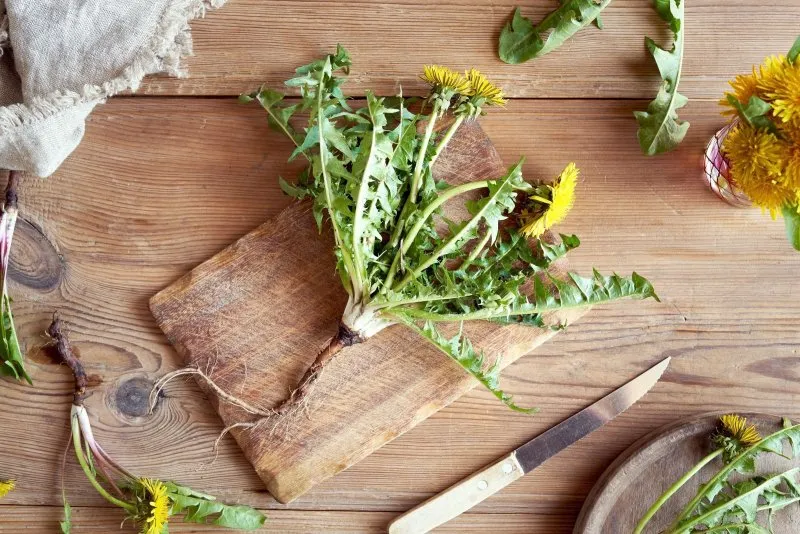
How to Deal With Dandelions in your yard
For many homeowners, the sight of a vibrant yellow dandelion popping up through their meticulously m... Read More
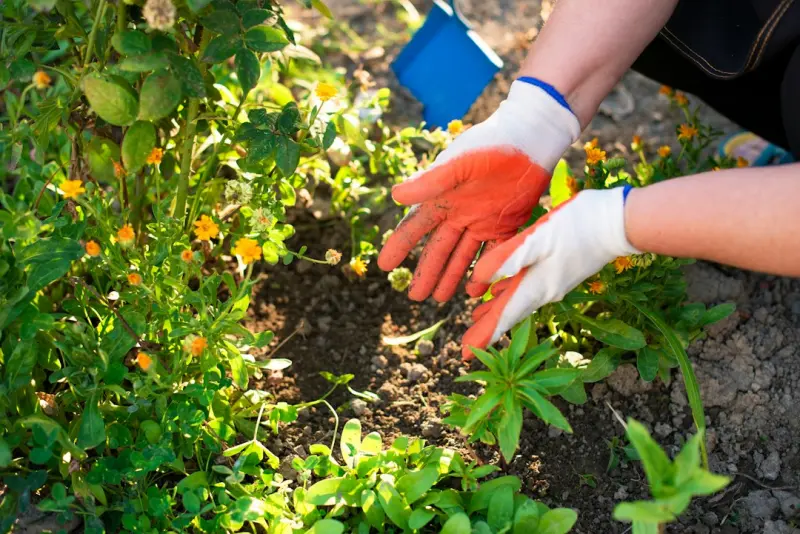
Decoding Soil Signals: A Modern Gardener’s Playbook for Balcony Bliss
Discover how to listen to the silent language of soil, adjust moisture, nutrition, and microbial hea... Read More
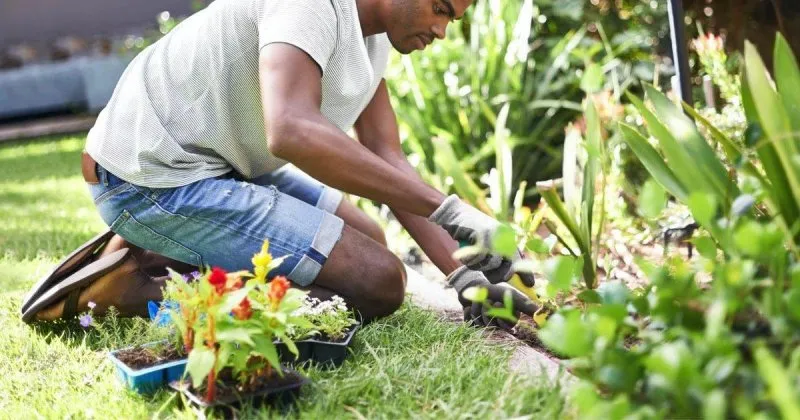
The Ultimate Guide to Starting Your Own Garden
There’s a profound satisfaction that comes from plucking a sun-ripened tomato from your own vine, ... Read More
Top Posts

Human‑Centric Security: Turning People into the First Line of Defense
Discover why human behavior is the weakest link in security and how to transform your team and personal habits into a robust, proactive defense system....Read More

Unlocking Scale: How a Plugin‑First Strategy Supercharges SaaS Growth
A plugin‑first architecture transforms a monolithic SaaS product into a flexible marketplace, accelerating time‑to‑market, diversifying revenue, and futur...Read More

Why Virtual Economies Are the Secret Engine Driving Modern Gaming
Virtual economies aren’t just in‑game fluff—they’re powerful forces that drive player choices, social bonds, and even real‑world wallets, reshaping ho...Read More

Why Zero‑Click SERPs Are Redefining B2B Content Strategy
Zero‑click SERPs are becoming the primary way decision‑makers find answers. This post uncovers the mechanics behind featured snippets, PAA, and AI‑generat...Read More
0 Comments
Post Comment
You will need to Login or Register to comment on this post!