

Why Parenting Feels Like a Startup Pivot Every Day
When you’re raising tiny humans in a world that’s constantly rewriting its rulebook, you quickly learn that parenting isn’t a static job—it’s a high‑stakes startup that pivots on a dime. One minute you’re mastering bedtime routines, the next you’re fielding a “why does my screen freeze?” question that feels more like a tech‑support ticket than a child’s curiosity. The difference? In a startup, you have a boardroom; in parenting, the boardroom is the kitchen table, the car seat, and the endless stream of notifications on your phone.
The Invisible Curriculum: What Kids Learn When We’re Not Watching
Kids absorb more than just ABCs and 2+2. They’re picking up patterns, problem‑solving habits, and emotional responses from the background noise of our daily lives. If we spend our evenings glued to a laptop, scrolling through endless dashboards, they’ll start to equate “focus” with “screen time.” If we constantly rush, they’ll internalize urgency as the default mode. The challenge for modern parents is to curate an invisible curriculum that teaches resilience, curiosity, and empathy without needing a formal lesson plan.
Building a Family Tech Contract (Without Feeling Like a Dictator)
One of the most effective tools I’ve found is a simple, collaborative tech contract. It’s not a list of bans; it’s a shared agreement that outlines:
- Purpose: Why we use devices (learning, creativity, staying in touch).
- Boundaries: When and where screens are allowed (no screens at the dinner table, for example).
- Consequences: What happens if the agreement is broken (a temporary pause, not a punitive measure).
- Rewards: Positive reinforcement when kids respect the limits (extra story time, a family outing).
By involving your children in the drafting process, you turn the contract into a partnership rather than a top‑down rule. This collaborative approach mirrors the agile mindset many tech teams love—iterate, test, and improve together.
Microlearning for Parents: Squeezing Knowledge Into the Gaps
Just as corporations have turned to bite‑sized training modules to keep teams sharp, parents can adopt the same strategy. Instead of trying to read a 300‑page parenting manual over a weekend, break the learning into 5‑minute micro‑sessions. A quick article on emotional coaching, a short video on bedtime rituals, or a podcast snippet on nutrition can be consumed while cooking dinner or during a car ride.
These microlearning moments add up, giving you a toolbox of strategies you can deploy on the fly. Want to calm a tantrum? Check out this quick guide on using microlearning to manage stress and apply the same breathing technique with your child.
The Power of Ambient Soundscapes in a Noisy Household
Our homes have become a symphony of alerts, notifications, and the hum of appliances. While the constant buzz can be overwhelming, curated ambient soundscapes can create pockets of calm that benefit both kids and adults. Soft white noise, gentle rain, or low‑frequency tones can help children focus during homework and settle more quickly at night.
Research shows that consistent background sound can reduce the brain’s need to filter out distractions, leading to better concentration and emotional regulation. To experiment, try a 15‑minute “sound‑only” session before bedtime and observe how quickly your little ones drift off.
Want a deeper dive into how ambient audio can boost resilience? Explore the science behind soundscapes and mental resilience for ideas you can adapt at home.
Rituals Over Routines: Making Consistency Feel Fresh
Consistency is the backbone of good parenting, but rigidity can breed rebellion. The trick is to embed flexibility within rituals. For instance, a “Goodnight Story” ritual can stay constant while the story itself rotates—one night it’s a classic fairy tale, the next a personal anecdote from your own childhood. This keeps the ritual predictable yet exciting, reinforcing security while nurturing imagination.
Similarly, “Weekend Wind‑Down” can include a variety of calming activities: a puzzle, a short walk, or a family meditation session. The key is to maintain the structure (winding down) while allowing content variety, giving kids a sense of control and anticipation.
Teaching Emotional Vocabulary Before They Can Read
Children often feel emotions they can’t name. When a toddler throws a tantrum because they’re “mad,” they’re actually experiencing a complex mix of frustration, fear, and maybe even embarrassment. By introducing simple emotion words early—“sad,” “scared,” “frustrated”—you give them the tools to articulate their inner world.
One practical method is the “Emotion Wheel” game. Draw a circle divided into slices, each labeled with an emotion. When a feeling arises, point to the slice together and talk about what triggered it. Over time, this habit builds a rich emotional vocabulary that serves as a foundation for empathy and self‑regulation.
Modeling Digital Well‑Being: Walk the Talk
Kids are keen observers. If you constantly check your phone during family meals, they’ll learn that attention is a commodity to be bought and sold. To model healthy digital habits, establish “device‑free zones” and “device‑free times.” Use these intervals to engage fully—play a board game, cook together, or simply talk about the day’s highlights.
When you do need to check your device, narrate it: “I’m just going to look at this quick email, then we’ll get back to our game.” This transparency demystifies tech use and reinforces that it’s a tool, not a master.
Leveraging Play to Teach Real‑World Skills
Play isn’t just about fun; it’s a sandbox for problem‑solving, negotiation, and resilience. Turn everyday chores into games: a “Laundry Relay” where each child races to sort colors, or a “Cooking Quest” where they follow simple recipe steps to unlock a “treat badge.” These activities embed life skills—time management, sequencing, teamwork—into joyful experiences.
Even simple block building can introduce basic engineering concepts. Encourage kids to design a bridge that can hold a toy car, then discuss why some designs succeeded while others didn’t. The learning is organic, and the enthusiasm is genuine.
Creating a “Family Learning Hub” Without a Dedicated Space
You don’t need a separate room to foster curiosity. Designate a corner of the living room as a rotating “learning hub.” Stock it with a few age‑appropriate books, a magnifying glass, a small puzzle, and a digital tablet loaded with curated educational apps. Rotate items weekly to keep the space fresh and inviting.
Involve the whole family in curating the hub’s contents. Let kids pick a book they’re excited about or suggest a science experiment. This shared ownership transforms the hub from a static shelf into a living, breathing center of discovery.
Balancing Autonomy and Safety in an Online World
As children grow, they’ll naturally push boundaries—online and offline. The goal isn’t to build a fortress but to equip them with decision‑making frameworks. Teach the “Three‑Step Check” before they click:
- Identify: Who is the source?
- Verify: Does it seem legit?
- Ask: If unsure, ask a trusted adult.
This simple mantra empowers kids to navigate digital spaces with confidence while keeping safety top of mind.
Conclusion: Parenting as an Ongoing Innovation Process
Just as a SaaS product evolves through feedback loops, testing, and iteration, parenting thrives on the same principles. Celebrate small wins, learn from missteps, and keep the conversation open with your children. When you treat each day as an experiment—armed with empathy, curiosity, and a dash of creativity—you’ll not only survive the chaos but turn it into a thriving, joyful journey.

Jimmy Anand is a content creator that gets inspired by many aspects of life, internet or whatever inspires him at that moment. When he's not online he's gaming and when he is not gaming he is online trolling discussion boards.
Related Posts

Raising Eco-Conscious Kids: A Parent's Guide to Sustainable Living
As a parent, teaching your kids about sustainable living is crucial for their future and the planet'... Read More

Negotiating Bedtime Without Battles: A Modern Parenting Guide
A data‑driven, collaborative approach to bedtime turns nightly battles into shared rituals, empowe... Read More
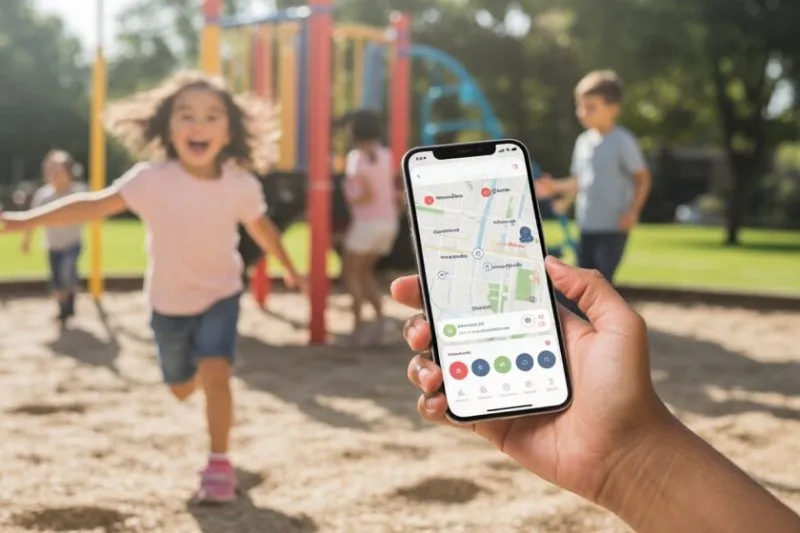
Parenthood: A Professional Perspective on Using AirTags to Track Children
The landscape of modern parenting is continuously reshaped by technological advancements, offering t... Read More
Top Posts

The Human‑First Blueprint for On‑Page SEO Success
Discover a fresh, human‑centric approach to on‑page SEO that leverages cognitive load theory, semantic markup, structured data, and brand voice to boost ran...Read More

Why Zero‑Click SERPs Are Redefining B2B Content Strategy
Zero‑click SERPs are becoming the primary way decision‑makers find answers. This post uncovers the mechanics behind featured snippets, PAA, and AI‑generat...Read More

Holistic Health Hacks for the Modern Lifestyle
Explore a holistic approach to health that merges smart home tech, mindful nutrition, micro‑workouts, and community support for sustainable, everyday wellness...Read More

Semantic SEO: Mastering the Art of Meaningful Rankings
Learn why semantic SEO is the next frontier, how to build entity‑focused clusters, leverage structured data for rich results, and use AI responsibly to scale ...Read More
0 Comments
Post Comment
You will need to Login or Register to comment on this post!