
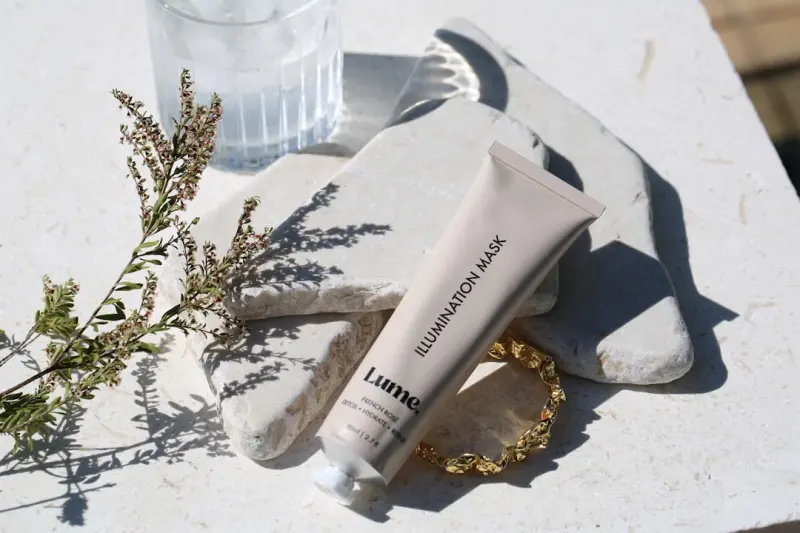
When I first stepped into a boutique that smelled of fresh citrus and whispered promises of “clean beauty,” I felt a familiar tug: the excitement of discovery mixed with the fatigue of endless product hype. Over the past decade, I’ve watched the beauty industry evolve from glossy magazine spreads to data‑driven, ethically‑charged conversations. Today, the most compelling stories aren’t about the next glittery eyeshadow palette; they’re about the invisible ecosystems living on our skin and how the choices we make ripple through the planet.
Why the Skin Microbiome Matters More Than You Think
Our skin isn’t just a protective barrier—it’s a bustling metropolis of bacteria, fungi, and viruses that coexist in a delicate balance. Scientists now refer to this community as the skin microbiome, and it plays a pivotal role in everything from hydration to inflammation. When a product disrupts this harmony—through harsh surfactants, alcohol, or synthetic fragrances—issues like redness, breakouts, or premature aging can flare up.
Brands that truly care are beginning to formulate with microbiome‑friendliness in mind. Instead of stripping cleansers, they offer mild, pH‑balanced alternatives that preserve beneficial microbes. Pre‑biotic ingredients such as oat beta‑glucan and lactobacillus extracts act as food for good bacteria, while post‑biotic components like fermented plant extracts deliver anti‑oxidant benefits without the risk of over‑feeding harmful strains.
For consumers, the shift means we can finally choose products that support our skin’s natural defenses rather than wage war against them. The next time you shop, look for terms like “microbiome‑safe,” “prebiotic,” or “fermented complex.” If the label is vague, don’t be shy—ask the brand about their research and testing methods.
From Trendy to Tangible: Sustainable Packaging Is No Longer a Niche
Remember when “recyclable packaging” was a novelty reserved for indie brands? Today, sustainability has moved from the periphery to the core of product development. It’s no longer enough for a company to claim “green” in its marketing copy; the entire lifecycle of the packaging must align with that promise.
One breakthrough is the rise of post‑consumer recycled (PCR) plastics. Instead of extracting virgin petroleum, manufacturers collect and purify plastic waste, turning it into sleek, high‑quality bottles and tubes. Another innovation is biodegradable polymers derived from plant sugars, which break down under industrial composting conditions without leaving toxic residues.
But the most exciting development is refillable systems. Brands are designing elegant, reusable containers paired with minimalist refill pods. This approach slashes waste dramatically—one reusable bottle can replace dozens of single‑use packages over its lifespan. Moreover, refill pods often use concentrated formulas, reducing the volume of material shipped and the associated carbon footprint.
Consumers can drive this movement forward by embracing refill programs, returning empty containers for up‑cycling, and supporting brands that publish transparent sustainability reports. The collective impact is a measurable reduction in plastic entering landfills and oceans.
The Power of Ingredient Transparency: Decoding Labels Like a Pro
Ingredient lists have become a minefield of jargon: “cetearyl alcohol,” “dimethicone,” “phenoxyethanol.” While some terms sound intimidating, they’re often harmless or even beneficial. The key is to understand the function of each component and ask the right questions.
- Cetearyl Alcohol – A fatty alcohol that acts as an emollient and stabilizer. Contrary to popular belief, it’s not a drying alcohol.
- Dimethicone – A silicone that creates a breathable barrier, sealing moisture without clogging pores.
- Phenoxyethanol – A preservative considered safer than parabens but still best used in low concentrations.
When a product lists fragrance or “parfum” without disclosure, it’s a red flag for potential irritants, especially for sensitive skin. Brands that prioritize transparency will either omit fragrance altogether or provide a complete breakdown of the aromatic compounds used.
To become a label‑decoding pro, start with a simple three‑step test:
- Identify the first five ingredients. These make up the bulk of the formula and indicate its primary purpose.
- Spot any known irritants. Look for alcohols (unless they’re fatty), high‑concentration acids, or undisclosed fragrances.
- Check for sustainability cues. Look for certifications like “USDA Organic,” “EcoCert,” or “Leaping Bunny.”
By mastering this process, you’ll cut through marketing fluff and find products that genuinely align with your skin’s needs and ethical values.
Technology Meets Touch: How Digital Tools Elevate the In‑Store Experience
Walking into a high‑end beauty counter used to mean relying solely on a sales associate’s recommendation. Today, immersive tech is reshaping that interaction, making it more personalized and data‑driven.
One notable advancement is the use of AI‑enhanced skin analysis tools. Shoppers can scan their face with a handheld device or a smartphone app, receiving a detailed breakdown of hydration levels, pigment distribution, and fine line depth. The algorithm then suggests a curated set of products tailored to those metrics, often integrating microbiome‑friendly ingredients.
Another trend is augmented reality (AR) mirrors that allow customers to “try on” makeup virtually. These mirrors map the contours of your face in real time, applying digital pigments that mimic the texture and finish of the actual product. The benefit? No more wasted samples or the fear of an unwanted shade.
While technology can feel impersonal, the best implementations combine data with human expertise. A knowledgeable consultant can interpret AI insights, add professional nuance, and address concerns that a machine might overlook. This hybrid approach delivers confidence‑boosting recommendations while keeping the experience tactile and warm.
The Rise of “Clean” That Isn’t Just a Buzzword
“Clean beauty” originally meant free from a handful of controversial chemicals. Over time, the definition has expanded—and sometimes diluted—to encompass vague claims like “natural” or “green.” The real power of the clean movement lies in a science‑first mindset.
Brands leading the charge invest in rigorous testing, often partnering with independent labs to verify safety and efficacy. They also embrace a “whole‑product” perspective: ensuring the ingredient sourcing, manufacturing process, and packaging all meet high environmental standards.
For example, some companies now use up‑cycled ingredients—byproducts from food or textile industries—turning waste into valuable actives. Coffee grounds become antioxidant‑rich scrubs; orange peels become vitamin‑C serums. This strategy reduces waste while delivering functional benefits.
Consumers can support authentic clean beauty by looking for third‑party certifications, checking for detailed ingredient disclosures, and favoring brands that share their research findings openly.
Building a Ritual, Not Just a Routine
At its heart, beauty is a form of self‑care—a daily pause that honors our bodies. When we reduce our regimen to a checklist of steps, we lose the emotional resonance that makes the practice sustainable.
Think of your skincare as a three‑act play:
- Preparation (the opening act) – Cleansing and tone‑balancing set the stage, creating a clean canvas.
- Performance (the main act) – Serums, essences, and treatments deliver targeted benefits, like the lead actors delivering their lines.
- Encore (the closing act) – Moisturizers and sunscreen seal in the benefits, ensuring a lasting finish.
By framing each step as a purposeful act, you transform the routine into a ritual that feels rewarding rather than burdensome. Light a candle, play soft music, or enjoy a brief meditation before you begin. The sensory cues reinforce the habit and elevate the experience.
Future‑Forward Beauty: What’s Next?
Looking ahead, a few trends are poised to redefine the industry:
- Personalized Formulations: Leveraging DNA analysis and microbiome profiling, brands will create bespoke creams that address an individual’s unique genetic and microbial makeup.
- Zero‑Waste Stores: Physical retail spaces designed for bulk dispensing, where consumers bring their own containers and refill on‑site.
- AI‑Driven Ingredient Discovery: Machine learning models scanning millions of chemical structures to identify new, sustainable actives with superior performance.
These innovations promise a more inclusive, responsible, and effective beauty landscape—one where science, sustainability, and self‑expression coexist harmoniously.
Takeaway Checklist
Ready to revamp your beauty approach? Use this quick reference:
- Choose microbiome‑friendly cleansers and moisturizers.
- Prioritize refillable or PCR packaging.
- Decode ingredient lists using the three‑step test.
- Embrace AI‑powered skin analysis for personalized suggestions.
- Seek authentic clean beauty certifications.
- Turn your regimen into a mindful ritual.
By integrating these practices, you’ll not only enhance your skin’s health but also contribute to a more sustainable beauty ecosystem. Remember, each thoughtful choice sends a ripple through the supply chain, encouraging brands to innovate responsibly.
And if you’re curious about how technology can further personalize your shopping journey, explore the possibilities of AI‑driven experiences that blend data with human expertise. The future of beauty is already here; it just needs your conscious participation.

In the world of freelance writing, where creativity and adaptability are paramount, Michelle Fisher stands out as a dedicated and versatile professional. With a passion for crafting compelling narratives and a keen eye for detail, Michelle has established herself as a trusted voice.
Related Posts
Scent as Strategy: Leveraging Fragrance to Boost Focus, Mood, and Brand Loyalty
Fragrance isn’t just an accessory—it’s a powerful brain hack. Discover how scent shapes focus,... Read More
The Science‑First Beauty Revolution: Transparency, Personalization, and Sustainable Innovation
The beauty industry is shifting toward a science‑first approach—transparent ingredients, data‑... Read More
Beyond the Mirror: How AI Is Redefining Beauty Routines
Discover how AI-driven personalization, augmented reality mirrors, and privacy‑first tech are resh... Read More
Top Posts

How to Build a Stress‑Free Bedtime Ritual for Babies and Toddlers
Learn how to design a soothing, consistent bedtime ritual that eases your baby or toddler into restful sleep, using simple environmental tweaks and gentle routi...Read More

Why Cyber Security is Imperative for Your Business
In the digital age, businesses of all sizes operate on a foundation of interconnectedness. From managing customer data and processing transactions to communicat...Read More
The Commuter Companion: A Deep Dive into High-Performance Heated Travel Mugs
In the demanding landscape of modern professional life, efficiency and consistency are paramount, extending even to the simplest daily routines. For millions of...Read More
Digital Minimalism: Cutting Carbon Footprint One Byte at a Time
A deep dive into digital minimalism reveals how trimming code, data, and UI bloat can dramatically cut a SaaS company's carbon footprint while improving perform...Read More
0 Comments
Post Comment
You will need to Login or Register to comment on this post!