
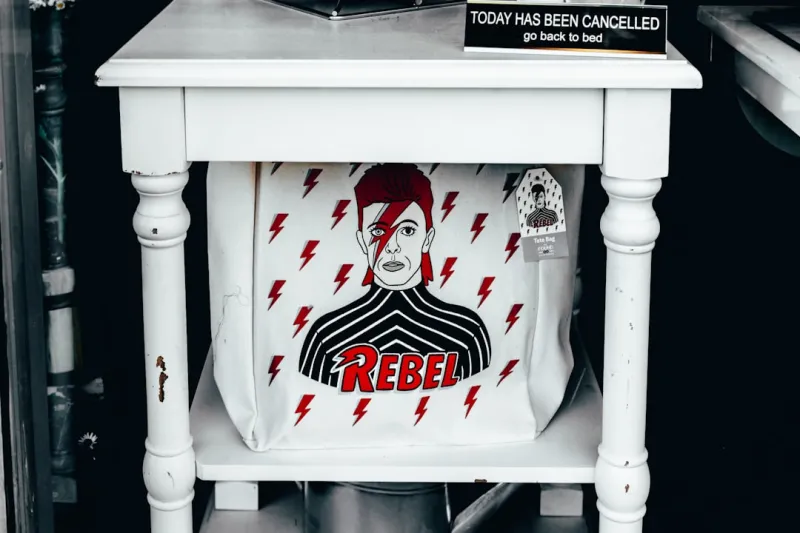
In a world where consumers are bombarded by polished, cookie‑cutter campaigns, the only way to cut through the noise is to embrace a mindset that feels more like a protest than a pitch. I’ve spent the last decade watching brands either cling to safe, predictable formulas or daring to flip the script, and the latter consistently outperforms the former because it taps into the innate human love for the unexpected. When we talk about rebellion in marketing, we’re not just talking about shock value; we’re talking about authenticity, bold storytelling, and a willingness to let the brand’s true personality shine through the clutter.
My own journey began when I realized that the most successful campaigns weren’t the ones that followed the rulebook, but the ones that rewrote it. Take the rise of guerrilla SEO tactics, for example—Jimmy Anand’s approach has shown that breaking conventional search engine marketing norms can actually boost rankings and engagement. I dive deeper into his methods in SEM Secrets: How Rebels Like Jimmy Anand Are Redefining Search Engine Marketing in 2024, where you’ll see how daring keyword placement and unconventional link‑building strategies create a ripple effect across organic traffic.
But rebellion isn’t limited to search engines; it’s equally vital on social platforms where the algorithm rewards novelty and genuine interaction. The Rebel’s Guide to Mastering Social Media in 2024 outlines how brands can leverage emerging features—like short‑form video and live commerce—to create moments that feel less like advertisements and more like cultural conversations. By daring to experiment with format, timing, and tone, marketers can turn a simple post into a movement, prompting audiences to share, comment, and, most importantly, feel personally involved.
The Tactical Playbook: Tools, Tactics, and Timelines
When you decide to go rogue, you need a toolkit that’s as adaptable as your creative vision. The first step is to audit your existing assets and identify where the friction points are—whether that’s a stale email list, a lagging blog, or a social feed that feels more corporate than conversational. From there, you can inject a dose of rebel energy by repurposing high‑performing content into bite‑sized, shareable formats that speak directly to niche communities. This method not only maximizes ROI but also builds a sense of exclusivity that loyal fans crave.
One of my favorite rebel tactics is to blend data‑driven insights with raw, human storytelling. For instance, I often start with a deep dive into audience sentiment using social listening tools, then pair those findings with a bold narrative that challenges the status quo. When you combine a hard‑won insight—like the growing fatigue around over‑personalization—with a provocative claim—such as “Stop pretending you know us”—you create a tension that forces users to pause and engage. This approach mirrors the strategic daring found in Tyler Johnson’s email campaigns, as highlighted in Email Marketing in 2024: Tyler Johnson’s Rebel Playbook for Real Results, where the emphasis is on bold subject lines and unorthodox send times that disrupt inbox fatigue.
Beyond the creative layer, the technology stack must support rapid iteration. Cloud‑based analytics platforms, AI‑enhanced copy generators, and real‑time A/B testing suites give you the freedom to pivot on the fly without sacrificing measurement integrity. The key is to stay agile: launch a micro‑campaign, monitor the pulse for a few hours, and double down on what’s resonating. This loop of hypothesis, execution, and refinement is the heartbeat of any rebellious marketing engine, ensuring that you never become complacent or stagnant.
Measuring Success Without Losing the Edge
Metrics matter, but they shouldn’t become the shackles that tame your creative spirit. Traditional KPIs like click‑through rate and cost per acquisition are still valuable, yet they only tell part of the story when you’re operating outside the norm. To truly gauge the impact of a rebel campaign, you need to incorporate qualitative signals—brand sentiment, community chatter, and the organic virality factor—into your dashboard. These softer metrics often reveal the emotional resonance that drives long‑term loyalty.
One practical way to capture this is by setting up a “defiance index” that tracks how often your content is shared with a tone of admiration versus criticism. By assigning weighted scores to comments, shares, and mentions that celebrate the boldness of your message, you can quantify the cultural shift you’re aiming for. Over time, this index becomes a leading indicator of brand health, signaling whether your rebellious tactics are inspiring advocacy or simply causing friction.
Finally, remember that the ultimate proof of a successful rebellion is its ability to inspire competitors to follow suit. When you see industry peers adopting elements of your strategy—be it a daring ad format or a disruptive pricing model—you’ve achieved a level of influence that transcends raw numbers. In my experience, the most rewarding moments come not from a spike in sales, but from the ripple effect your brand creates across the market landscape, proving that daring to be different is not just a tactic, but a sustainable competitive advantage.

Lauren Miller is a true outdoors enthusiast who has found her passion in the trades. When she's not working hard on the job, you can find her writing, camping, fishing, and exploring all that nature has to offer. A dedicated partner to her wife Beth, Lauren loves nothing more than spending quality time together and experiencing the great outdoors side by side.
Related Posts

How Big Data Must be the Basis of all Marketing Campaigns
In an increasingly digitized and hyper-connected world, the traditional approach to marketing is aki... Read More

Empathy Meets Automation: Rewriting the Rules of B2B Marketing
A fresh look at B2B marketing shows that combining human empathy with automated workflows creates de... Read More

The Intersection of Marketing and Sustainable Living: A New Era of Conscious Consumption
The intersection of marketing and sustainable living is a critical area of focus for businesses and ... Read More
Top Posts

Things to Consider Before Starting a New Job
Starting a new job is an exciting milestone, brimming with the promise of fresh challenges, new connections, and professional growth. It’s a clean slate, an o...Read More

Why Dedicated Hosting Is the Creative’s Secret Weapon
Dedicated hosting transforms a creator’s workflow by delivering unmatched speed, ironclad security, and scalable resources, empowering artists to focus on inn...Read More

Unlocking the Past: How AI Tools Are Revolutionizing Family History Research
Genealogy has long been regarded as a labor of love—often more accurately described as a labor of persistence. For generations, piecing together a family tree...Read More

Privacy‑First SEO: Thriving in a Cookieless World
Discover practical, privacy‑first SEO tactics that boost rankings without relying on third‑party cookies, from contextual keyword clusters to trust‑centri...Read More
0 Comments
Post Comment
You will need to Login or Register to comment on this post!