

Why Pet Parenting Is Shifting Toward a Slower Pace
When I first opened my home to a rescued Labrador named Jasper, I was dazzled by the whirlwind of “must‑have” gadgets, premium kibble subscriptions, and a calendar packed with agility classes—an agenda that felt more like a sprint than a stroll. Fast‑track solutions promised instant health metrics and picture‑perfect Instagram moments, yet I quickly sensed a disconnect between the frantic pace of modern pet care and the calm, instinctual rhythm my dog craved. Over time, I realized that the most meaningful bonds formed not during a high‑tech training session, but while sharing quiet sunrise walks, slow‑cooked meals, and unhurried cuddle sessions that let both human and animal breathe in the same moment. This revelation sparked a personal quest to blend the best of mindful living with the responsibilities of pet ownership, a journey that has reshaped my daily routines, my kitchen, and even the way I scroll through social media feeds for pet inspiration.
The Hidden Toll of Speed‑Centric Pet Care
Every day, pet owners are bombarded with sleek devices that promise to track every heartbeat, calorie, and bathroom break, creating an illusion that more data equals better care. In reality, the constant stream of alerts can heighten anxiety for both pet and owner, turning simple moments—like a leisurely walk in the park—into a series of performance metrics to be logged and optimized. Moreover, the pressure to keep up with the latest trends often leads to rushed decisions about food, exercise, and grooming, sacrificing the nuanced understanding that comes from observing a pet’s unique personality over time. By stepping back and questioning the necessity of each gadget, I discovered that many “essential” tools are simply noise, and that true wellness often flourishes in the spaces where technology takes a back seat, allowing intuition and patience to guide our choices.
Embracing Slow Living With Our Furry Companions
Adopting a slow‑living mindset with pets begins with honoring the natural tempo of their bodies, which means scheduling playtime, meals, and walks around their energy cycles rather than our own calendars. I started by extending Jasper’s morning stroll, letting us linger at the edge of the pond to watch dragonflies, a practice that transformed a routine walk into a meditation on scent, sound, and the simple pleasure of being present. This deliberate pacing encourages dogs and cats alike to settle into a rhythm where digestion, rest, and exploration happen organically, reducing stress‑induced behaviors such as excessive barking or compulsive scratching. When we give our pets the gift of time, they reward us with calmer demeanors, deeper trust, and an unmistakable glow of contentment that no high‑tech tracker can quantify.
Slow Food for Pets: Nutrition That Respects Nature’s Pace
Just as slow living champions whole, unprocessed foods for people, the same philosophy can revolutionize our pets’ diets by prioritizing fresh, minimally processed ingredients that honor their ancestral eating patterns. I transitioned Jasper from mass‑produced kibble to a home‑cooked regimen featuring slow‑simmered bone broth, locally sourced protein, and garden vegetables, a shift that not only improved his coat shine but also stabilized his digestion and reduced allergy flare‑ups. Preparing meals mindfully forces owners to engage with the sourcing of each ingredient, fostering a deeper appreciation for quality over convenience and encouraging discussions with veterinarians about balanced nutrition. While the process requires time and research, the payoff—a happier, healthier pet and a stronger caregiver‑pet bond—makes the deliberate effort undeniably worthwhile.
Playtime Redefined: Intentional Toys Over Endless Gadgets
In the age of automated fetch machines and laser toys that zip across the floor at breakneck speed, I found myself wondering whether constant stimulation truly benefits my dog’s mental health. I swapped the flashy gadgets for simple, handcrafted toys—a rope made from reclaimed cotton, a puzzle feeder filled with frozen broth, and a sturdy wooden chew that doubles as a scent‑training tool. These low‑tech options demand patience, problem‑solving, and interaction, fostering deeper cognitive engagement while also slowing down the frantic energy that often leads to overstimulation. By deliberately choosing toys that encourage scent work, chewing, and gentle tugging, we honor the natural instincts of our pets and create moments of shared focus that strengthen the emotional connection between owner and animal.
The Role of Technology: When to Embrace and When to Pause
Technology isn’t the enemy; it’s a tool that, when used wisely, can enhance a slow‑living lifestyle rather than dominate it. For instance, a simple smartphone app that reminds you of feeding times can free mental space for more meaningful interactions, but an endless stream of notifications can erode the tranquility you’re trying to cultivate. I discovered a balanced approach after reading Why Mobile Apps Are the New Playground for Innovation, which highlighted how intentional app selection can streamline care without sacrificing mindfulness. By curating a minimalist tech stack—perhaps a single health‑tracking app paired with a timer for mindfulness breaks—we keep the focus on genuine connection, using technology as a supportive backdrop rather than the main act.
Creating a Slow‑Living Home That Welcomes Pets
Designing a home that supports a slower pace for both humans and pets involves thoughtful choices in layout, materials, and sensory elements. I turned to Creating a Slow‑Living Home: Timeless Decor Tips for Everyday Calm for inspiration, incorporating natural fibers, muted color palettes, and dedicated quiet corners where my dog can retreat after a day of exploration. Low‑noise flooring reduces anxiety for sensitive paws, while strategically placed indoor plants improve air quality and provide gentle scent stimulation. By integrating pet‑friendly zones—such as a cozy nook with a plush bed and a low‑light lamp—we invite our companions to share in the serenity, turning the entire household into a sanctuary of calm rather than a series of high‑octane activity stations.
Social Media, Slow Living, and the Pet Community
Our online pet communities are bustling with viral challenges, flash sales, and a relentless push to showcase the most extravagant pet moments, which can pressure owners into unsustainable practices. I found a refreshing counter‑narrative in Why the Fast‑Lane of Social Media Needs a Slow‑Living Reset, where creators champion authenticity, patience, and the beauty of everyday moments. By curating a feed that celebrates slow walks, homemade treats, and quiet cuddle sessions, we not only model healthier habits for our followers but also reinforce our own commitment to a measured pace. This intentional sharing fosters a supportive network of like‑minded pet parents who value depth over dopamine‑driven scrolls, turning the digital realm into a place of encouragement rather than competition.
Wrapping Up: The Gift of Time for Our Four‑Legged Friends
In the end, the most profound lesson I’ve learned is that the luxury of time is the greatest gift we can offer our pets—a gift that cultivates trust, reduces stress, and nurtures a bond that transcends the fleeting thrills of fast‑track solutions. By weaving slow‑living principles into nutrition, play, home design, and even our digital habits, we create an environment where our furry companions can thrive naturally, echoing the rhythms of the world they instinctively understand. I invite you to pause, observe, and savor each unhurried moment with your pet, because in those quiet seconds lie the true essence of companionship and the promise of a healthier, happier life together.

When it comes to the world of blogging and writing, Rose DesRochers is a name that stands out. Her passion for creating quality content and connecting with her audience has made her a trusted voice in the industry. Aside from her skills as a writer and blogger, Rose is also known for her compassionate nature.
Related Posts

The Paws-itive Impact of Sustainable Living on Pet Care
Sustainable living has a profound impact on pet care, from reducing waste and promoting animal welfa... Read More
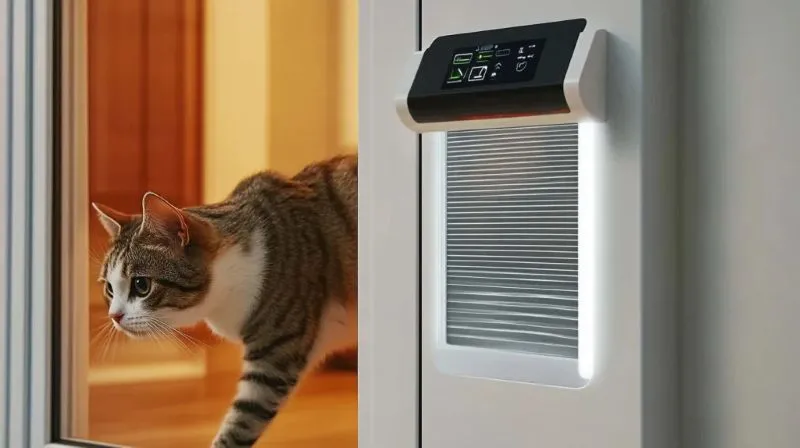
The Future of Den Access: Why Automatic Smart Pet Doors are Redefining Home Security
For pet owners, the "door dilemma" is a universal experience. It is the perpetual oscillation betwee... Read More
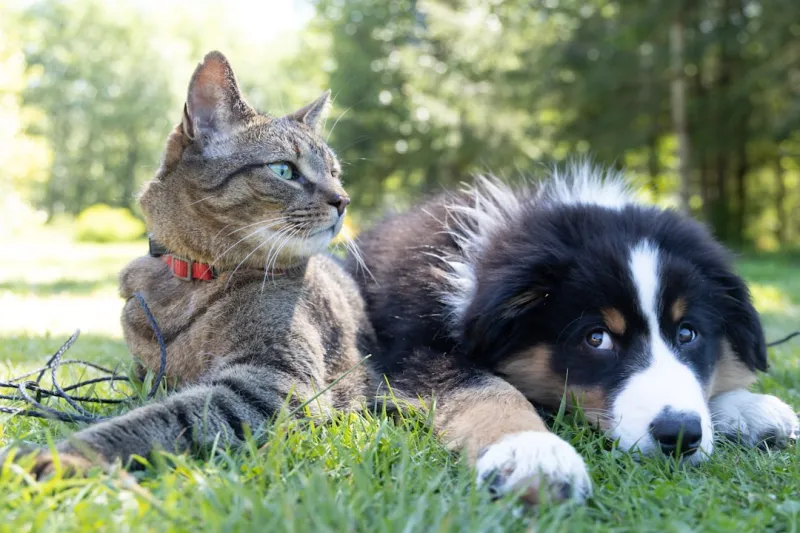
The Unlikely Heroes of Mental Health: How Pets Are Changing the Game
Pets play a vital role in maintaining our mental health and well-being. Learn how pets are impacting... Read More
Top Posts

Building a Culture of Safety in Remote‑First SaaS Teams
This article explores how remote SaaS teams can create a robust safety culture by integrating psychological safety, zero‑trust data protection, automation, an...Read More

Navigating Tomorrow's Tides: Mastering Your Career in an Age of Unprecedented Change
The future of work is here, and it's evolving fast. Brad Hays shares essential strategies for mastering your career in an age of unprecedented change, from harn...Read More
Beyond the Campaign: Building Trust‑First Audiences in a Cookie‑Less World
In a post‑cookie era, agencies must shift from relentless data hoarding to a trust‑first model. This article explores human‑centric profiles, adaptive cre...Read More

Why Short‑Form Video Is the New Powerhouse for B2B Social Media
Short‑form video is reshaping B2B social media by delivering rapid, AI‑assisted content that captures attention, drives engagement, and generates qualified ...Read More
0 Comments
Post Comment
You will need to Login or Register to comment on this post!