
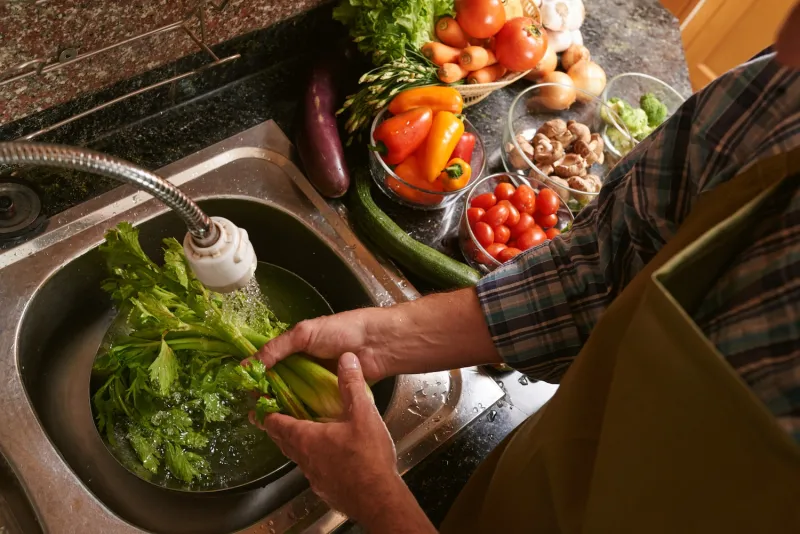
In the modern kitchen, the ritual of washing produce is often reduced to a cursory rinse under a tap. We treat our fruits and vegetables like clean cargo, assuming that a brief encounter with running water is sufficient to render them ready for consumption. However, as our understanding of food safety and supply chain logistics evolves, so too does the need for more rigorous sanitation practices at home. Among the various methods suggested for cleaning produce, the use of a simple, dilute vinegar solution stands out as a highly effective, accessible, and scientifically sound practice. By understanding the mechanisms behind this soak, we can not only enhance the safety of our food by targeting surface bacteria and reducing pesticide residues but also extend the shelf life of our groceries by preventing premature mold growth.
The Invisible Challenge: Why Water Alone Isn’t Enough
When produce reaches the kitchen counter, it has traversed a complex journey—from field to harvester, through sorting facilities, into crates, and across distribution networks. Throughout this lifecycle, fruits and vegetables are exposed to a myriad of environmental contaminants, including soil particles, airborne microorganisms, and residues from agricultural applications.
Standard tap water is an excellent mechanical agent for removing visible dirt and loose debris. However, its efficacy against stubborn pathogens and chemical residues is remarkably low. Water possesses a neutral pH and lacks the necessary chemical properties to dissolve hydrophobic substances like waxy pesticide coatings or to effectively disrupt the cell walls of harmful bacteria. Relying solely on water creates a false sense of security, leaving behind microscopic biological and chemical burdens that can impact both our digestive health and the longevity of our produce.
The Chemistry of the Vinegar Soak
Vinegar, specifically distilled white vinegar, is essentially a dilute solution of acetic acid. This mild acid is the cornerstone of why a vinegar soak is superior to a simple water rinse. The process involves creating a solution—typically one part vinegar to three or four parts water—and submerging produce for approximately five to ten minutes.
1. Eliminating Surface Bacteria
The primary concern regarding fresh produce is the presence of foodborne pathogens such as Salmonella, E. coli, and Listeria. These organisms can adhere to the intricate surfaces of fruits and vegetables, hiding in the crevices of berries or the textured leaves of greens.
The acetic acid in vinegar works by altering the pH of the immediate environment. Most pathogenic bacteria thrive in relatively neutral pH levels. By introducing an acidic medium, we create an environment that is inhospitable to these microorganisms. Furthermore, acetic acid can penetrate the lipid membranes of these bacteria, disrupting their internal cellular processes and inhibiting their ability to proliferate. While no home-washing method is a substitute for rigorous industrial food safety standards, the vinegar soak provides a significant reduction in the microbial load on the skin of the produce, offering an essential layer of home-level defense.
2. Reducing Pesticide Residues
Beyond microbial threats, the modern consumer is increasingly concerned about the persistence of synthetic chemicals. Pesticides, herbicides, and fungicides are often engineered to withstand rain and irrigation, meaning they are designed to be "sticky" and resistant to water-based removal.
The chemistry of these residues often involves oil-based or waxy carriers that adhere firmly to the surface of the produce. Because vinegar is an acid, it exhibits weak surfactant-like properties that can help loosen these coatings. When produce is soaked, the acetic acid helps to break down the surface tension of the water, allowing it to penetrate and lift away chemical residues that would otherwise remain intact after a quick rinse. Studies have suggested that dilute acid or salt solutions are significantly more effective at removing organophosphate and carbamate residues than water alone. By incorporating this soak, we move from merely removing surface dirt to actively extracting a portion of the chemical burden that accumulates during the growing season.
3. Preventing Mold Growth and Extending Freshness
Perhaps the most practical benefit of the vinegar soak is the prolongation of produce life. A common frustration for many is the rapid decay of delicate items like strawberries, raspberries, and blueberries. These berries are particularly prone to Botrytis cinerea, the fungus responsible for grey mold. If a single berry in a container is harboring mold spores, it can quickly contaminate the entire batch, leading to a rapid decline in quality.
When we submerge berries in a vinegar solution, we are not only removing spores that may have landed on the fruit during transit but also neutralizing the environment so that remaining spores have a significantly harder time germinating. By drying the fruit thoroughly after the soak, we remove the excess moisture that mold loves, while the trace amount of acetic acid left on the skin acts as a mild antimicrobial barrier. This simple process can often double the number of days berries remain firm and mold-free in the refrigerator, effectively reducing food waste and ensuring that nutritional investments are fully utilized.
Implementing the Practice: A Professional Approach
To derive the maximum benefit from this method without compromising the texture or flavor of delicate produce, it is important to follow a structured protocol:
- The Ratio: Use a solution of one part distilled white vinegar to three parts cold water. For most households, a large bowl filled with this mixture is sufficient for a standard grocery haul.
- The Soak Time: Do not leave produce soaking for extended periods, as prolonged exposure to moisture can cause some items—particularly soft fruits—to become waterlogged or mushy. A window of 5 to 10 minutes is optimal.
- The Rinse: Always give the produce a brief, secondary rinse with fresh, cold water after the soak. This removes the vinegary taste and any residues the acid has lifted.
- The Drying Phase: This is the most crucial step. For long-term storage, moisture is the enemy. Use a salad spinner for leafy greens, and arrange berries or vegetables on a clean, absorbent towel to air-dry completely. For berries, it is often beneficial to place a paper towel in the storage container; this wicks away any residual moisture and keeps the fruit crisp.
A Balanced Perspective
It is critical to clarify that a vinegar soak is a mitigation strategy, not a sterilization process. It cannot neutralize systemically absorbed chemicals, nor can it eliminate bacteria that have already colonized the internal tissues of damaged or bruised fruits. Furthermore, it should not replace other essential food safety habits, such as washing hands thoroughly before handling food, keeping raw produce away from raw proteins, and maintaining a clean kitchen environment.
However, when viewed as part of an integrated approach to kitchen hygiene, the vinegar soak is an invaluable tool. It bridges the gap between the chaotic external environment of the supply chain and the controlled environment of our kitchens. By leveraging the acidic properties of vinegar, we take proactive control over our food quality, ensuring that we minimize our exposure to surface pathogens and agricultural chemicals while maximizing the freshness and longevity of the produce we bring into our homes. In a world where food safety and sustainability are increasingly prioritized, this simple, time-honored practice remains a hallmark of both the informed consumer and the vigilant home chef.

Mei Chen is a dynamic professional who brings a unique blend of skills to Blogging Fusion. As a key contributor to the Blogging Fusion platform, she leverages her writing expertise to create engaging content that resonates with our audience.
Related Posts
Fermenting Futures: Microbial Magic in Modern Cuisine
David Moore dives into the resurgence of fermentation, revealing its impact on taste, nutrition, and... Read More

Zero‑Waste Cocktails: Crafting Flavorful Drinks Without the Trash
Explore the rise of zero‑waste cocktail culture, from farm‑fresh ingredients to creative upcycli... Read More
The Culinary Conundrum: A Professional Examination of Chilean Sea Bass Versus Premium Fresh Tuna
In the realm of high-end gastronomy, few ingredients command the same level of prestige, price, and ... Read More
Top Posts

Digital Boundaries: Building Mental Resilience in an Always‑On World
Discover how small, intentional digital habits—like notification curfews and one‑tab rules—can safeguard mental well‑being, boost focus, and foster a he...Read More

The AI Revolution: Beyond the Hype, Into Reality
AI is reshaping our world, moving beyond hype into tangible reality. This article delves into generative AI, its enterprise impact, ethical challenges, and the ...Read More

Digital Minimalism: Reduce E‑Waste, Boost SaaS Efficiency
This article explores how adopting digital minimalism—through audits, streamlined features, smarter data retention, and green procurement—can dramatically r...Read More

How Zero‑Party Data Platforms Are Redefining the Marketing Stack
Zero‑party data platforms turn consumer consent into actionable insight, enabling hyper‑personalized marketing while keeping privacy at the forefront. This ...Read More
0 Comments
Post Comment
You will need to Login or Register to comment on this post!