

Why Embedding Insurance Directly into SaaS Platforms Is a Game‑Changer
When I first stepped onto the insurance floor, I was handed a thick binder of policy clauses and a calculator that could barely keep up with a simple loss ratio. Fast‑forward a decade, and I’m now leading product strategy for a B2B SaaS firm that sells data‑driven workflow tools to mid‑size manufacturers. The biggest revelation? Insurance is no longer a peripheral add‑on; it’s becoming a core service embedded directly into SaaS applications.
The Shift From Stand‑Alone Policies to Embedded Coverage
Traditional insurance sales still rely on agents, phone calls, and PDF contracts that sit in a separate system from the software a business uses every day. That separation creates friction:
- Manual data entry: Claims adjusters must re‑type information from a SaaS dashboard into legacy underwriting platforms.
- Delayed risk insight: By the time a policy is issued, the underlying operational data may already be outdated.
- Customer churn: Users abandon a SaaS product if they feel forced to juggle a separate insurance portal.
Embedded insurance eliminates these pain points by delivering coverage at the exact moment of need—within the workflow where risk is created. Think of a field service app that automatically offers equipment breakdown coverage the instant a technician logs a service request. Or a procurement platform that bundles cargo loss protection the second a shipment is booked.
How APIs and Micro‑Insurance Are Making It Possible
The technology stack enabling this transformation is surprisingly simple:
- Open insurance APIs: Insurers expose underwriting rules, pricing engines, and claim submission endpoints via RESTful services. These APIs can be called in real‑time from any SaaS UI.
- Event‑driven architecture: Modern SaaS platforms emit events (e.g., “order placed,” “asset installed”) that trigger policy creation instantly.
- Micro‑insurance products: Instead of a bulky multi‑year commercial policy, insurers now sell bite‑sized coverage measured in dollars per transaction, per day, or per hour.
The result is a seamless, on‑demand risk shield that scales with the user’s activity. No more “one size fits all” contracts; each transaction can be insured individually, at the exact price point dictated by data.
Why Low‑Code Platforms Accelerate Embedded Insurance
Building a fully custom integration from scratch can take months, if not years. That’s where low‑code innovation steps in. Low‑code environments let product teams drag‑and‑drop API connectors, configure business rules, and prototype coverage flows without writing a single line of code.
Key benefits include:
- Speed to market: A functional insurance embed can be launched in weeks, not quarters.
- Iterative testing: Product managers can A/B test different coverage options directly in the SaaS UI.
- Compliance friendliness: Pre‑built connectors often include built‑in data‑privacy controls that align with GDPR, HIPAA, or industry‑specific regulations.
In practice, a low‑code workflow might look like this: a user selects a “Purchase Warranty” button → the platform calls the insurer’s pricing API → the returned premium is displayed instantly → the user confirms, and the policy ID is stored alongside the transaction record.
The Role of developer experience in Scaling Coverage
Even with low‑code tools, the underlying developer experience (DX) determines how quickly teams can iterate on insurance features. A robust DX includes:
- Clear API documentation: Auto‑generated Swagger specs that developers can explore with Postman.
- Sandbox environments: Test policies that mimic real‑world claim flows without financial exposure.
- Versioned SDKs: Language‑specific kits (Python, JavaScript, Go) that abstract authentication, retries, and error handling.
When DX is strong, engineers treat insurance as another micro‑service, applying the same CI/CD pipelines, monitoring dashboards, and feature flags they use for core product functionality. This parity ensures that insurance updates roll out with the same reliability as any other SaaS feature.
Real‑World Use Cases That Illustrate the Power of Embedded Insurance
Below are three vivid scenarios where embedding insurance directly into SaaS has unlocked new revenue streams and reduced friction for customers.
1. Construction Management Software Meets Equipment Damage Coverage
Construction firms use SaaS tools to schedule heavy equipment usage, track operator certifications, and log site conditions. By embedding a “Damage Waiver” toggle into the equipment reservation screen, the platform can offer per‑hour coverage based on the specific machine, operator experience, and weather forecast. If an accident occurs, the claim is auto‑populated with telemetry data, dramatically cutting processing time from days to minutes.
2. HR Platforms Offer Cyber Liability for Remote Workers
With remote work becoming the norm, HR SaaS products now include a “Remote‑Work Cyber Shield” that provides per‑employee coverage for data breaches originating from home networks. The policy is purchased during onboarding, and the platform automatically notifies the insurer when a new device is added to the corporate VPN, adjusting premiums in real time.
3. Marketplace SaaS Provides Transactional Warranty for Sellers
Online marketplaces have long struggled with post‑sale disputes. Embedding a warranty service that activates the moment a seller lists a product gives buyers instant confidence. The marketplace captures the transaction amount, triggers the insurer’s API, and receives a policy number that is displayed on the product page. If a return is filed, the claim data is pre‑filled from the order record, speeding up resolution.
Revenue Implications: Turning Risk Management into a Profit Center
Embedding insurance is not just a customer‑centric move; it creates a new line of revenue. Companies can structure the model in several ways:
- Commission‑based: Earn a percentage of each premium sold, similar to affiliate marketing.
- Revenue‑share with insurers: Split the margin on policies that are co‑branded with the SaaS platform.
- White‑label underwriting: Use the SaaS platform’s data to underwrite risk internally, retaining the entire premium.
Data‑driven underwriting is the secret sauce. By feeding real‑time operational metrics (e.g., machine uptime, driver behavior, transaction volume) into the insurer’s risk engine, the platform can negotiate better rates, which in turn boosts the margin on each sale.
Compliance and Trust: Navigating the Regulatory Landscape
Embedding insurance raises legitimate concerns about licensing, data protection, and consumer rights. Here’s a quick compliance checklist:
- Licensing jurisdiction: Verify that the insurer holds the necessary licenses for each region you serve.
- Data minimization: Transmit only the data points required for underwriting; avoid unnecessary personally identifiable information (PII).
- Transparency: Clearly disclose to end‑users that a third‑party insurance product is being offered, including terms of coverage and cancellation policies.
- Audit trails: Store immutable logs of API calls, policy issuance, and claim submissions to satisfy regulatory audits.
Many insurers now provide “compliance‑as‑a‑service” layers that automatically handle jurisdictional checks and generate the necessary documentation, allowing SaaS providers to focus on the user experience.
Future Outlook: From Embedded Insurance to Integrated Risk Intelligence
The next evolution goes beyond simply selling policies. Imagine a SaaS platform that not only offers coverage but also predicts risk before it materializes. By combining machine‑learning models with real‑time sensor data, the platform could issue proactive alerts—like “Your fleet’s brake wear exceeds safe thresholds; consider adding brake‑failure coverage now.” This prescriptive approach transforms insurance from a reactive safety net into a strategic risk‑management partner.
Key technologies that will drive this shift:
- Edge AI: On‑device analytics that evaluate risk instantly without sending raw data to the cloud.
- Digital twins: Virtual replicas of physical assets that simulate failure scenarios, informing dynamic pricing.
- Smart contracts: Blockchain‑based agreements that automatically trigger claim payouts once predefined conditions are met.
When these capabilities converge, the line between product and protection blurs, creating a seamless ecosystem where risk intelligence is baked into every click.
Practical Steps to Start Embedding Insurance Today
If you’re a product leader or CTO contemplating this journey, follow this roadmap:
- Identify high‑impact touchpoints: Map out user flows where risk is highest (e.g., equipment booking, financial transaction, data upload).
- Partner with an InsurTech API provider: Look for providers that offer sandbox environments, flexible pricing, and clear documentation.
- Prototype with low‑code: Build a minimal viable insurance embed that captures a single use case and test it with a pilot group.
- Iterate on DX: Gather feedback from engineers on API ergonomics, error handling, and monitoring, then refine the integration.
- Scale and monetize: Once validated, expand coverage options, negotiate revenue‑share terms, and market the new feature as a differentiator.
Remember, the goal isn’t just to add a checkbox for “Buy Insurance.” It’s to embed risk mitigation so tightly into the workflow that users barely notice they’re protected—until they need it.
Conclusion: Insurance Is No Longer an Afterthought
Embedding insurance into SaaS platforms is a paradigm shift that aligns risk protection with the very moments risk is created. It leverages APIs, low‑code agility, and a developer‑centric approach to deliver real‑time, transaction‑level coverage that fuels new revenue streams while enhancing customer loyalty.
For any B2B SaaS company looking to differentiate in a crowded market, the next frontier isn’t a flashy UI overhaul—it’s a risk‑aware experience that turns uncertainty into a competitive advantage.

Jimmy Anand is a content creator that gets inspired by many aspects of life, internet or whatever inspires him at that moment. When he's not online he's gaming and when he is not gaming he is online trolling discussion boards.
Related Posts

Why Insurance Is the Next Strategic Layer for SaaS Companies
Embedding insurance directly into SaaS offerings shifts it from a cost center to a competitive advan... Read More

The Evolving Shield: Navigating Modern Insurance in a Changing World
Insurance is no longer just a safety net; it's a proactive tool. This article dives into how technol... Read More

Why the Gig Economy Is Redefining Personal Insurance Strategies
The gig economy is turning traditional insurance on its head. Shawn reveals how freelancers can navi... Read More
Top Posts

From Campaigns to Communities: How Modern Media Agencies Thrive in the Creator Economy
Media agencies are moving beyond one‑off ads to build thriving brand communities. Learn how data, creator platforms, and fresh performance metrics are reshapi...Read More
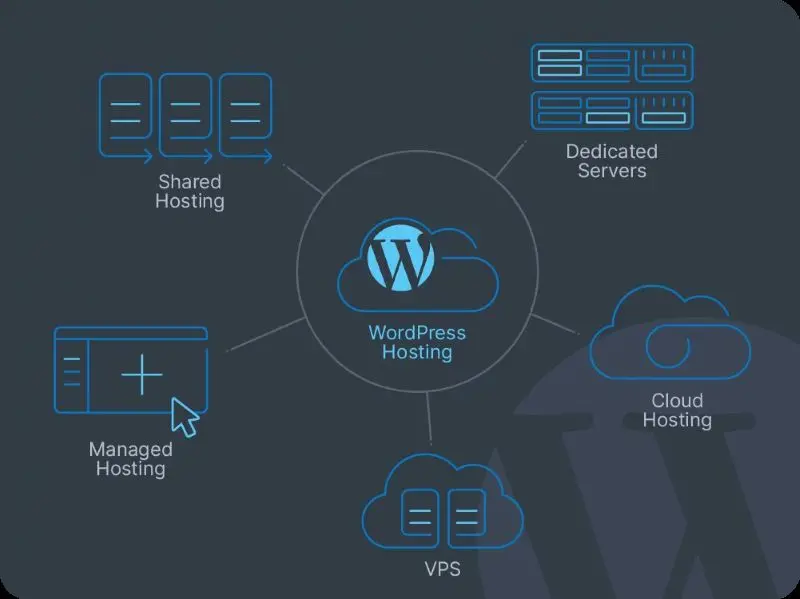
The Quiet Power of Managed WordPress Hosting for Modern Creators
Explore why managed WordPress hosting is the invisible engine behind faster sites, stronger security, and higher conversions, and get a practical checklist to m...Read More

The Mobile App Evolution: From Utility to Personal Companion
Discover the shift from utility‑focused mobile apps to context‑aware companions, leveraging sensor data, edge computing, and modular design for truly person...Read More

5 Things to Consider Before You Purchase Kitchen Cabinets
Kitchen cabinets are more than just storage units; they are the backbone of your kitchen's functionality, the canvas for its aesthetic, and a significant invest...Read More
0 Comments
Post Comment
You will need to Login or Register to comment on this post!