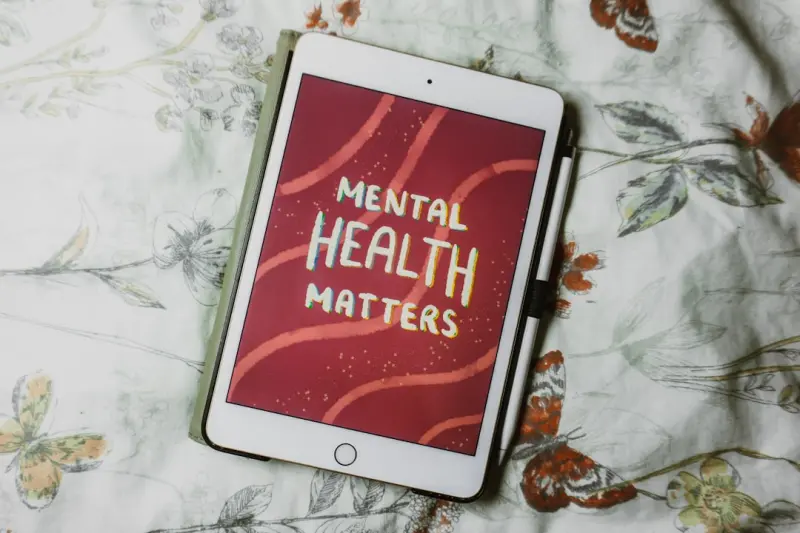
In a world where push notifications feel like a second heartbeat, the line between “online” and “off” is blurring faster than a meme goes viral. I’ve spent the last decade navigating the digital corridors of SaaS, marketing, and product design, and I’ve learned that the most valuable feature we can build isn’t a new API—it’s a mental firewall. This piece is my personal map to reclaiming that mental space, one intentional habit at a time.
The Silent Siege: Why Digital Overload Matters
We all know the feeling: you finish a meeting, glance at your inbox, and a cascade of Slack messages, calendar invites, and social media alerts flood in. Your brain, designed for focused bursts of attention, suddenly becomes a hamster wheel of partial attention. Research shows that constant context switching can increase cortisol levels by up to 40%, impairing sleep quality and eroding emotional resilience.
But the impact isn’t just biochemical. Over time, the perpetual “always‑on” mindset chips away at our sense of self, leaving us feeling fragmented and disconnected from the very activities that once brought us joy. The cure isn’t a grand digital detox; it’s a series of micro‑boundaries that protect the mind without pulling you out of the flow entirely.
Micro‑Boundaries: The New Mental Health Toolkit
Think of micro‑boundaries as tiny, repeatable habits that create mental breathing room. They’re not about turning off technology for an entire weekend (though that can be refreshing); they’re about integrating small, purposeful pauses into the rhythm of your day.
- Notification Curfew: Designate a specific hour—say, 9 p.m. to 7 a.m.—when all non‑essential notifications are silenced. Most smartphones now let you set “Do Not Disturb” schedules that automatically mute alerts, preserving sleep hygiene.
- One‑Tab Rule: When you’re working on a task, keep only one browser tab open. If you need to reference another source, open it in a new window, complete the task, then close both. This reduces visual clutter and keeps the brain’s focus laser‑sharp.
- Inbox Zero Sprint: Allocate a 15‑minute window twice a day to clear the inbox. Use labels and filters to automatically sort newsletters, promotions, and low‑priority messages. The goal isn’t to answer every email, but to prevent the feeling of an ever‑growing pile.
- Digital “Waterbreak”: Every hour, step away from the screen for a 2‑minute stretch or deep‑breathing exercise. This mirrors the way athletes hydrate; you’re hydrating your brain with a moment of calm.
These practices may seem trivial, but when compounded, they create a protective layer that buffers the mind from the relentless barrage of information.
Reframing the “Always‑On” Culture
In the SaaS world, there’s an unspoken badge of honor associated with being constantly reachable. Yet, the reality is that high‑performing teams thrive when members have the freedom to recharge. The secret sauce is asynchronous collaboration. By embracing tools that allow for delayed responses—like shared docs with comment threads or video updates—you can shift the expectation from immediate reply to thoughtful contribution.
When you embed this mindset into your team’s culture, you’re not just protecting individual mental health; you’re building a more sustainable, innovative organization. Teams that operate asynchronously report a 30% increase in perceived autonomy and a measurable boost in creative output.
Leveraging SaaS for Mental Wellness
We often talk about SaaS as a productivity engine, but it can also be a mental‑health engine when used wisely. Here are three platforms that, when configured with mental‑wellness in mind, become allies rather than adversaries:
- Learning Management Systems (LMS): Instead of mandating endless webinars, use an LMS to create continuous skill growth pathways that employees can navigate at their own pace. This reduces the pressure of “catch‑up” sessions and respects individual learning rhythms.
- Employee Experience Platforms: Integrate pulse surveys that ask not just about workload, but about mental clarity and emotional safety. Real‑time data can highlight stress spikes before they become burnout.
- Content Collaboration Tools: Turn brainstorming sessions into a content engine for mental wellness by allowing ideas to be captured, revisited, and refined over days rather than minutes. This reduces the frantic “now or never” mindset.
When technology is intentionally designed to support mental bandwidth, it becomes a silent partner in your well‑being journey.
Storytelling as a Healing Practice
One of the most underutilized mental‑health tools in the corporate world is the act of sharing stories. Whether it’s a quick anecdote in a stand‑up meeting or a reflective blog post, storytelling validates experiences and builds empathy. It also creates a sense of continuity—a reminder that the challenges we face today are part of a larger narrative.
Consider implementing a monthly “Wellness Spotlight” where team members write a short piece about a mental‑health habit that’s helped them. Not only does this surface practical tips, but it also normalizes conversations about mental health, reducing stigma.
Designing Your Personal Digital Sanctuary
Beyond workplace practices, the home environment plays a crucial role in mental equilibrium. While “Designing a Mood‑Boost Home” covered the visual aspects of space, let’s focus on the auditory and kinetic layers that are often overlooked.
- Sound Zoning: Create a “focus playlist” using ambient sounds—rain, white noise, or low‑key instrumental music. Pair this with a “relaxation playlist” that signals the brain it’s time to wind down. Many streaming services let you set timers that automatically transition between playlists.
- Movement Corners: Designate a small area for a standing desk or a balance board. Even a minute of gentle movement can reset the nervous system, especially after prolonged sitting.
- Digital Minimalism Corners: Keep one drawer or shelf in your home completely device‑free. Use it as a tactile anchor—a place for journals, sketchbooks, or a simple cup of tea. The physical absence of screens can serve as a powerful reminder to unplug.
These micro‑environments act as “mental islands,” offering safe harbors amidst the sea of digital demands.
The Role of Compassionate Leadership
Leadership sets the tone for how digital boundaries are respected. As a manager, you can model healthy habits by:
- Explicitly stating your “offline hours” in your email signature.
- Encouraging teams to use status indicators (e.g., “focus mode”) without judgment.
- Celebrating moments when employees set personal boundaries, reinforcing that such actions are valued.
When leaders demonstrate vulnerability—sharing their own struggles with information overload—they empower their teams to follow suit, fostering a culture where mental health is seen as a strategic asset.
Measuring Success: From Intuition to Insight
It’s tempting to rely on gut feeling to gauge whether your digital boundary experiments are working. However, data can provide concrete feedback. Here’s a simple framework to track progress:
- Baseline Survey: Conduct an anonymous questionnaire measuring perceived stress, focus, and satisfaction with digital communication.
- Quarterly Pulse Checks: Use short, 3‑question polls to monitor changes over time.
- Behavioral Metrics: Track average response times, number of after‑hours messages, and usage of “Do Not Disturb” modes.
- Iterate: Adjust micro‑boundary rules based on feedback and metrics, celebrating wins and addressing pain points.
This loop transforms an abstract goal—“feel better”—into a tangible, trackable outcome.
Conclusion: Your Brain Deserves a Blueprint
In the relentless churn of digital life, it’s easy to feel like you’re drowning in a flood of notifications, meetings, and endless scrolling. But remember: just as engineers design load‑balancers to handle traffic spikes, you can design mental load‑balancers for yourself.
By instituting micro‑boundaries, leveraging SaaS tools thoughtfully, fostering storytelling, crafting personal digital sanctuaries, and championing compassionate leadership, you build a resilient mental architecture that can thrive amid constant change. The journey isn’t about abandoning technology—it’s about redefining the relationship you have with it, turning it from a source of stress into a catalyst for well‑being.
Start small. Pick one micro‑boundary today—perhaps the one‑tab rule—and notice how it feels. Then, layer another habit on top. Over weeks, you’ll witness a shift from mental fatigue to mental clarity, and that shift, my friends, is the most powerful upgrade you can ever make.

Laura Wilson is a freelance writer specializing in the dynamic and ever-evolving field of health. With a passion for translating complex medical information into accessible and engaging content, Laura brings a wealth of knowledge and a fresh perspective to topics ranging from preventative care and nutrition to cutting-edge research and innovative treatments.
Related Posts

Digital Boundaries: Reclaiming Mental Space in a SaaS‑Driven World
A deep dive into how tech teams can redesign work habits, tools, and culture to protect mental wellb... Read More

Inbox Overload: Reclaiming Mental Space at Work
A deep dive into how nonstop notifications drain our brains, with practical tactics—from batch‑m... Read More
Mental Health in the Digital Age: A Complex Landscape
Mental health in the digital age is a complex issue. Learn how to navigate the challenges and opport... Read More
Top Posts

Curating a Home That Speaks: Sensory Storytelling in Interior Design
Explore the art of sensory storytelling in home decor, where sound, smell, texture, and light combine to create spaces that feel alive, personal, and continuous...Read More

Enzyme Alchemy: Turning Kitchen Leftovers Into Powerful Eco‑Cleaners
Learn to transform everyday kitchen leftovers into potent, zero‑waste enzyme cleaners that outperform chemicals while keeping your home healthy and eco‑frie...Read More

How Enzyme Cleaners are Redefining Sustainable Office Hygiene
Enzyme cleaners use natural catalysts to break down grime, offering a low‑impact alternative to chemical detergents. Learn how to implement them in your works...Read More

Playful Learning in the Age of AI: Intelligent Toys Transform Childhood
Intelligent toys are merging adaptive AI, human‑centric design, and eco‑friendly materials to create personalized learning experiences that bridge generatio...Read More
0 Comments
Post Comment
You will need to Login or Register to comment on this post!