
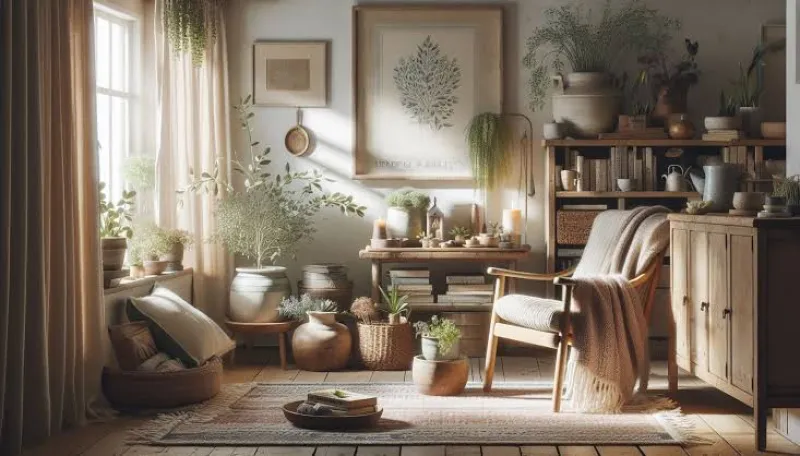
Hello, fellow home enthusiasts! Michelle Fisher here, your guide to creating spaces that don't just look good, but truly feel good. In a world that often rushes by, our homes stand as our most personal sanctuaries. They are the backdrop to our daily lives, the silent witnesses to our joys and quiet reflections. It’s no wonder then that how we choose to adorn and arrange them plays a profound role in our overall well-being. Today, I want to talk about moving beyond fleeting trends and diving deep into the art of intentional home decor – creating spaces that genuinely reflect who you are and support the life you want to live.
Decorating isn't just about picking out pretty things; it's about weaving a narrative. It's about designing an environment that nurtures your soul, inspires your creativity, and provides comfort. Think of your home as a canvas, and every piece you bring into it as a brushstroke contributing to your unique masterpiece. Let's explore how to make those brushstrokes count, transforming your living spaces into havens of harmony and happiness.
Understanding Your Decorating Philosophy: More Than Just Aesthetics
Before you even think about paint swatches or sofa styles, take a moment for introspection. What does "home" truly mean to you? Is it a bustling hub for entertaining, a peaceful retreat for quiet contemplation, or a vibrant studio for artistic expression? Your answers will form the bedrock of your decorating philosophy. This isn't about following rules; it's about uncovering your innate preferences and needs.
For me, home is a place of comfort, creativity, and connection. Every item, from the cozy throw on my sofa to the artwork on my walls, tells a story or serves a purpose that aligns with these values. This mindful approach to selecting items naturally leads to a more cohesive and meaningful space. When you begin with intention, you avoid impulse purchases that might clutter your space and your mind. It’s about being deliberate in every choice, understanding that each element contributes to the overall feeling and functionality of a room.
Defining Your Personal Style: Beyond the Mood Board
While mood boards are fantastic for visual inspiration, true personal style goes deeper. It's an amalgamation of your experiences, travels, favorite colors, textures, and even your personality. Are you drawn to minimalist lines and muted tones, or do you thrive amidst eclectic patterns and bold hues? Do you prefer the rustic charm of natural wood, or the sleek sophistication of polished metals?
One effective exercise is to look at your wardrobe. Often, our fashion sense mirrors our home decor preferences. If your closet is full of earthy neutrals and comfortable fabrics, you might lean towards a natural, relaxed home aesthetic. If you love pops of color and unique accessories, your home might benefit from a similar vibrant touch. Don't be afraid to mix and match. A truly personal style is rarely confined to one strict category. It’s about blending elements that resonate with you, creating a unique signature that is unmistakably yours. Embrace the journey of discovery, allowing your style to evolve organically over time.
The Power of Purposeful Layout and Flow
Beyond individual pieces, the layout of your furniture and the flow between rooms dramatically impact your home's functionality and feel. A well-designed layout promotes ease of movement, encourages conversation, and defines specific zones for different activities. Think about how you use each room.
In the living room, is it primarily for family gatherings, quiet reading, or movie nights? Arrange furniture to support these activities. For example, a conversational grouping around a coffee table fosters connection, while a cozy armchair by a window invites solitude. Consider sightlines – what do you see when you enter a room? Aim for pleasing vistas that draw the eye and create a sense of spaciousness. Good flow means no awkward bottlenecks or furniture blocking pathways, making your home feel welcoming and intuitive to navigate. It’s an invisible design element that often goes unnoticed until it’s not there.
Creating Functional Zones Within Open Concepts
Open-concept living has its perks, but it can sometimes feel sprawling or undefined. The trick is to create distinct functional zones using clever decor strategies. Area rugs are your best friends here, visually delineating living, dining, or workspace areas without erecting walls. Furniture placement is also crucial. A sofa can act as a natural barrier, separating a living area from a dining nook. Bookshelves or consoles can serve as soft dividers, providing both storage and a sense of enclosure.
Lighting also plays a vital role. Pendant lights over a dining table or a floor lamp next to a reading chair can highlight specific zones. By thoughtfully defining these areas, you harness the spaciousness of an open concept while still providing intimacy and purpose for each section. This careful balance ensures that your home feels both expansive and cozy, catering to a variety of needs throughout the day. For more on this, you might enjoy reading about Designing Your Home for Well-being and Sustainability, as it touches on creating intentional spaces.
Embracing Textures, Colors, and Natural Elements
These are the sensory components that truly bring a room to life, adding depth, warmth, and personality. Don't underestimate their collective power. A monochromatic room can be incredibly rich if layered with varying textures – think a chunky knit throw, a smooth velvet pillow, a woven rug, and a polished wood table. These tactile differences engage the senses and create visual interest.
The Psychology of Color in Your Home
Colors profoundly impact our mood and perception of space. Warm colors like reds, oranges, and yellows tend to energize and create a cozy, intimate feel, often making a room feel smaller. Cool colors such as blues, greens, and purples evoke calm, serenity, and can make a space feel more expansive. Neutrals (grays, beiges, whites) provide a versatile backdrop, allowing you to introduce color through accessories and artwork.
Consider the function of each room when choosing your palette. A vibrant red might be perfect for a dynamic dining room, while a soft blue-green could be ideal for a tranquil bedroom. Don't be afraid to experiment with color accents; a bold throw pillow or a piece of art can introduce a pop of personality without committing to a full wall of color. Remember, your home should reflect your personal taste, not just follow trends. Choose colors that genuinely make you feel good.
Integrating Nature: Bringing the Outdoors In
There's an undeniable restorative power in nature, and bringing elements of the outdoors into your home is a fantastic way to enhance well-being. Houseplants not only purify the air but also add vibrant greenery and organic texture. Even a few carefully placed plants can transform a sterile room into a living, breathing sanctuary. Think about different sizes and varieties to create visual interest.
Beyond plants, incorporate natural materials like wood, stone, rattan, and linen. These elements introduce an organic warmth and authenticity that synthetic materials often lack. Large windows that frame a beautiful outdoor view become living artwork. Even smaller touches, like a bowl of polished river stones or a vase of freshly cut flowers, can make a significant difference. Embracing nature in your decor connects your indoor spaces with the wider world, promoting a sense of calm and groundedness. It's a simple yet profound way to enhance your living environment, aligning with the principles of creating an eco-conscious life within your home.
Personal Touches: The Soul of Your Space
This is where your home truly becomes uniquely yours. Mass-produced decor can be beautiful, but it's the personal touches that infuse a space with soul and character. These are the items that tell your story, evoke memories, and spark joy.
- Curated Collections: Display items you've collected from travels, gifts from loved ones, or pieces that simply resonate with you. Group similar items for impact, like a collection of vintage cameras or sea glass.
- Artwork that Speaks to You: Don't just fill empty walls. Choose art that you genuinely love, whether it's a painting, a photograph, or a textile piece. It doesn't have to be expensive; it just has to connect with you.
- Family Photos: While modern design often shies away from too many personal photos, a thoughtfully curated gallery wall or a few framed pictures on a console table add warmth and a sense of history.
- Handmade and Artisanal Items: Incorporate pieces made by hand – a ceramic vase from a local artist, a hand-knitted blanket, or even your own creative projects. These items carry a unique energy and story.
The key is curation, not clutter. Edit your collections regularly, keeping only the items that truly bring you joy or hold significant meaning. These personal touches are what transform a house into a home, reflecting the richness of your life and personality.
Lighting: The Unsung Hero of Home Decor
Often overlooked, lighting is arguably one of the most powerful tools in a decorator's arsenal. It can completely transform the mood, perception of space, and functionality of any room. A single overhead light can feel harsh and uninviting, but layered lighting creates warmth, depth, and versatility.
Think in terms of three layers: ambient, task, and accent lighting. Ambient lighting provides overall illumination, often from ceiling fixtures. Task lighting is focused for specific activities, like a desk lamp for reading or under-cabinet lights in the kitchen. Accent lighting highlights architectural features, artwork, or plants, adding drama and visual interest. Dimmer switches are also a game-changer, allowing you to adjust the intensity of light to suit different times of day or moods. Don't underestimate the impact of natural light either; maximize it with sheer curtains or by keeping windows unobstructed. Thoughtful lighting design elevates every aspect of your home decor, making spaces feel inviting and alive.
Sustainability in Style: Decorating with Conscience
As we become more aware of our environmental footprint, integrating sustainable practices into our home decor choices is not just a trend – it's a responsibility. This doesn't mean sacrificing style; it means making conscious decisions that benefit both your home and the planet.
- Choose Durable, Quality Pieces: Invest in furniture and decor that are built to last, reducing the need for frequent replacements.
- Shop Secondhand and Vintage: Flea markets, antique stores, and online marketplaces are treasure troves for unique, pre-loved items that add character and reduce waste.
- Opt for Sustainable Materials: Look for products made from rapidly renewable resources like bamboo, cork, or organic cotton. Consider recycled or upcycled materials.
- Support Local Artisans: Buying from local makers often means shorter supply chains, unique items, and supporting your community.
- Prioritize Energy Efficiency: Choose LED lighting, and consider smart home devices to manage energy consumption efficiently.
Embracing sustainable decor is a journey, not a destination. Each conscious choice contributes to a more beautiful, healthier home and a healthier planet. It’s about creating beauty without compromise, proving that style and responsibility can indeed go hand-in-hand.
The Ongoing Evolution of Your Home
Finally, remember that your home is a living entity, constantly evolving alongside you. Don't feel pressured to achieve a "perfect" look overnight. Decorating is an ongoing process of discovery, refinement, and adaptation. As your life changes, so too will your needs and tastes, and your home should reflect that evolution.
Be open to rearranging furniture, swapping out accessories, or even repainting a wall when the mood strikes. Your home should be a dynamic reflection of who you are right now, not a static museum piece. Enjoy the process, trust your instincts, and create a space that truly supports and inspires your best life. It's your sanctuary, after all. Make it wonderfully, authentically yours.

In the world of freelance writing, where creativity and adaptability are paramount, Michelle Fisher stands out as a dedicated and versatile professional. With a passion for crafting compelling narratives and a keen eye for detail, Michelle has established herself as a trusted voice.
Related Posts

Curating a Home That Speaks: Sensory Storytelling in Interior Design
Explore the art of sensory storytelling in home decor, where sound, smell, texture, and light combin... Read More

Designing Narrative Spaces: How to Turn Home Décor into a Living Story
Turn your home into a living narrative by curating personal artifacts, layering senses, and using mo... Read More
How Biophilic Design Transforms Modern Home Spaces
Explore the rise of biophilic design and learn actionable steps to infuse natural light, greenery, a... Read More
Top Posts

How to Find a High-Quality Senior Assisted Living Facility
As our loved ones age, they may require additional care and support to maintain their quality of life. Senior assisted living facilities provide a comfortable, ...Read More

Micro‑Automation: The Secret Weapon for Seamless Tool Integration
Learn why tiny, event‑driven automations are the key to connecting disparate SaaS tools, reducing manual work, and creating data‑driven processes that scale...Read More

When AI Mimics Reality: Guarding Your Online Reputation Against Deepfakes
Deepfakes can damage personal and professional images in minutes. This guide reveals how to spot them, defend your brand, and rally a community to combat synthe...Read More

These Lawn-Mowing Mistakes Are Killing Your Grass
Are your efforts to get a perfect yard actually hurting your turf? Discover the most common lawn-mowing mistakes that lead to thinning, disease, and unsightly b...Read More
0 Comments
Post Comment
You will need to Login or Register to comment on this post!