
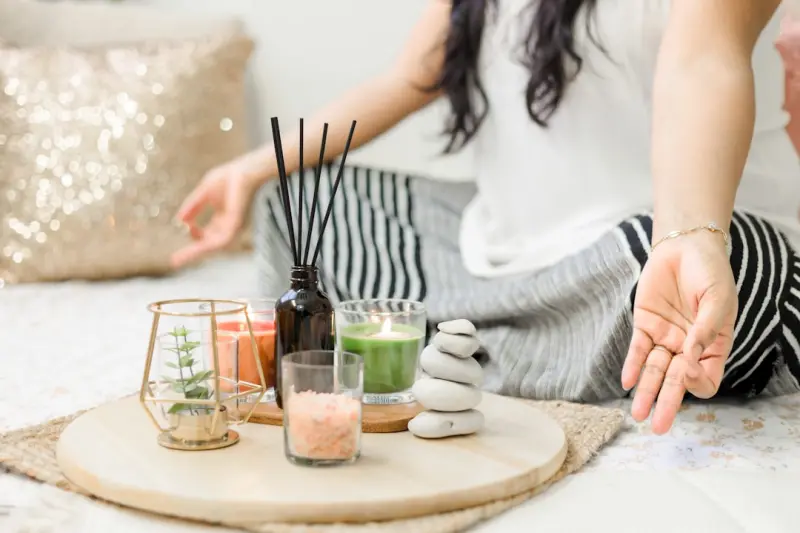
Crafting a Sensory Sanctuary: Reclaiming Calm in a Hyper‑Connected Life
We live in a world where notifications ping, screens glare, and the line between work and home blurs faster than a coffee‑shop Wi‑Fi signal. Yet, the human brain still craves a place to hit the reset button—a pocket of peace that feels like a hug for the senses. In this guide, I’ll walk you through the step‑by‑step process of turning any room, nook, or even a corner of your office into a sensory sanctuary that nurtures focus, restores energy, and quietly supports your overall wellbeing.
Why a Sensory Sanctuary Matters More Than Ever
Our modern routines are a mash‑up of always‑on digital chatter, high‑octane multitasking, and relentless visual stimulation. Neuroscience tells us that the brain’s default mode network—responsible for creativity, problem‑solving, and emotional regulation—needs downtime to function optimally. Without deliberate breaks, cortisol spikes, attention drifts, and decision fatigue sets in.
Creating a sanctuary isn’t just an aesthetic choice; it’s a neuro‑protective strategy. By curating the environment to engage (or disengage) specific senses, you give your nervous system a chance to recalibrate. The result? Sharper focus when you return to the grind, deeper sleep, and a noticeable lift in mood.
Step 1: Choose Your Canvas – The Space That Speaks to You
Start small. A sanctuary can be as grand as a dedicated room or as intimate as a 3‑foot‑wide window seat. The key is to select a space you can consistently access without feeling guilty about “wasting time.” Consider the following:
- Visibility: Choose a spot you can see from your main work area. A visual cue reminds you to pause.
- Traffic flow: Avoid high‑traffic corridors where interruptions are inevitable.
- Natural light: If possible, pick a location with daylight. Sunlight regulates melatonin and lifts serotonin levels.
Once you’ve identified the space, treat it as a blank canvas. Everything you introduce should serve a purpose—either calming the mind or gently stimulating it when needed.
Step 2: Light the Way – Mastering Ambient and Task Lighting
Light is the most powerful sense for resetting our internal clock. Here’s how to wield it wisely:
- Layered lighting: Combine ambient (soft overhead), task (focused desk lamp), and accent (warm LED strips) layers. This mimics natural light cycles.
- Color temperature: In the morning, opt for cool, bluish light (around 5,000‑6,500 K) to boost alertness. As the day wanes, shift to warm amber tones (2,700‑3,000 K) to signal the brain it’s time to wind down.
- Dimmable switches: Install a dimmer or smart bulbs so you can gradually lower intensity, creating a smooth transition into a calmer state.
Pro tip: If you have a window, add sheer curtains that filter harsh glare while still letting daylight in. The diffused glow feels like a gentle hug for the eyes.
Step 3: Soundscapes – From White Noise to Curated Playlists
Sound can be either a distraction or a conduit to deep focus. Choose a sound strategy that aligns with the purpose of your sanctuary:
- White or pink noise: Perfect for masking background chatter. Apps and smart speakers can generate a steady hum that keeps the brain in a low‑alert state.
- Nature recordings: Waves, rain, or forest ambience activate the parasympathetic nervous system, lowering heart rate.
- Curated playlists: Instrumental or low‑tempo tracks with minimal lyrics help maintain concentration without pulling attention away.
Remember to keep volume at a level that’s audible but not overwhelming. The goal is to create a subtle sonic blanket, not a concert hall.
Step 4: Texture & Tactile Comfort – The Power of Touch
Touch is often the forgotten sense in design, yet it grounds us in the present moment. Incorporate tactile elements that invite gentle interaction:
- Soft throws and cushions: Natural fibers like organic cotton, linen, or bamboo feel soothing against skin.
- Rugs or floor mats: A plush rug underfoot provides a calming under‑stimulation for the feet, especially if you spend time sitting on the floor.
- Hand‑held objects: A smooth stone, a stress ball, or a small wooden fidget can become a meditative focal point during brief pauses.
By consciously choosing textures, you transform the sanctuary into a multisensory retreat that beckons you to linger.
Step 5: Scent – Aromatherapy as a Neurological Shortcut
The olfactory system is directly wired to the brain’s limbic system, the hub of emotion and memory. A carefully selected scent can instantly shift your mental state. Here are three scent categories and their benefits:
- Lavender: Calms anxiety, promotes relaxation, and supports deeper breathing.
- Citrus (orange, lemon): Elevates mood, sharpens focus, and reduces perceived effort.
- Earthy (sage, cedar): Grounds the mind, fostering a sense of stability.
Use a subtle diffuser, scented candles, or essential oil rollers. Keep the intensity low; the scent should be a whisper, not a proclamation.
Step 6: Digital Minimalism – Declutter Your Devices
A sanctuary loses its power the moment your phone buzzes with a notification. Adopt a digital‑minimalist mindset:
- Turn off non‑essential alerts: Disable social media, email, and news push notifications while you’re in the space.
- Use “Do Not Disturb” modes: Schedule a daily block where only calls from select contacts come through.
- Physical device storage: Keep phones, tablets, and laptops out of sight—perhaps in a drawer or a dedicated charging station.
When you do need a device—say, for a guided meditation—consider using a minimalist app that hides all other UI elements, ensuring the focus stays on the experience.
Step 7: Personal Touch – Infuse Your Identity
Every sanctuary should feel like an extension of yourself. Add elements that reflect your passions without overwhelming the sensory balance:
- Artwork: A single piece that inspires calm—a muted abstract or a nature photograph.
- Plants: Greenery not only improves air quality but also adds a subtle visual rhythm that eases the eyes.
- Personal mementos: A small sculpture, a travel souvenir, or a handwritten quote can serve as a quiet reminder of what fuels you.
The trick is to keep the quantity low. One or two meaningful objects are far more powerful than a cluttered shelf of decor.
Step 8: Routine Integration – Making the Sanctuary Part of Your Day
Design alone won’t guarantee usage. Embed the sanctuary into your daily flow with a simple, repeatable habit:
- Morning reset: Spend five minutes sipping tea, breathing, and scanning the room before diving into work.
- Mid‑day micro‑pause: After a two‑hour block of focused work, retreat for a ten‑minute sensory break.
- Evening wind‑down: Dim lights, play nature sounds, and journal for ten minutes before bedtime.
These mini‑rituals train your brain to associate the space with specific states—alertness, calm, or reflection—making the sanctuary a reliable mental lever.
Step 9: Measure the Impact – Small Metrics for Big Gains
Even lifestyle changes can benefit from a data‑driven mindset. Track a few simple indicators to see if your sanctuary is delivering:
- Focus duration: Use a timer (like the Pomodoro technique) and note whether you return to tasks with less mental fog.
- Stress levels: Briefly rate your stress on a 1‑10 scale before and after sanctuary sessions.
- Sleep quality: Log bedtime consistency and how rested you feel in the morning.
Over weeks, patterns will emerge, allowing you to fine‑tune lighting, scent, or sound for optimal results. For a deeper dive on how data can empower everyday habits, check out Data‑Driven Storytelling: Turning SaaS Metrics into Magnetic Marketing—the principles translate well to personal metrics.
Step 10: Evolve Over Time – The Sanctuary Is a Living Project
As your life evolves, so will your sanctuary’s needs. Maybe you discover a new scent you love, or you swap a desk lamp for a floor lamp that casts a softer glow. Keep the space adaptable:
- Seasonal swaps: Light citrus scents in spring, switch to warm spices in fall.
- Rotating art: Change a picture frame quarterly to keep visual interest fresh.
- Tech upgrades: If you experiment with smart lighting or AI‑driven soundscapes, integrate them gradually.
Remember, the sanctuary’s purpose is to serve you, not the other way around. When it starts feeling like a chore, reassess and simplify.
Bonus: The Ripple Effect – From Personal Sanctuary to Workplace Culture
When you model the practice of intentional sensory breaks, colleagues often take notice. Consider sharing a short guide or hosting a “sensory hour” in your office. This can spark a broader cultural shift toward mindful environments, boosting collective productivity and wellbeing. For inspiration on how subtle changes can have outsized impact in a corporate setting, see Turning Everyday SaaS Use into a Green Superpower. The concept of small, intentional tweaks leading to large outcomes applies equally to personal lifestyle design.
In the end, a sensory sanctuary is more than décor—it’s a strategic investment in your brain’s capacity to thrive amid constant digital noise. By curating light, sound, touch, scent, and digital boundaries, you craft a pocket of tranquility that fuels creativity, resilience, and joy. Start with one corner, experiment fearlessly, and let your senses guide you back to balance.

Seth Samual is a name that's quickly becoming synonymous with compelling and insightful writing. As a freelance writer, Seth has carved a niche for himself by delivering high-quality content across a diverse range of subjects.
Related Posts

Thriving, Not Just Surviving: Cultivating an Intentional Life in a Hectic World
Feeling overwhelmed by modern life? Sanji Patel reveals how to cultivate an intentional, joyful exis... Read More
Compact Home Office Design: Big Productivity in Small Spaces
Learn practical strategies to turn a small corner of your home into a functional, inspiring officeâ€... Read More

Tiny Sensory Rituals to Transform Everyday Life
Learn to build a personal sensory sanctuary using brief, intentional rituals that engage sight, soun... Read More
Top Posts

The Social Surge: How Co‑Op Gaming Is Redefining Friendships
Discover how co‑op games, AI-driven worlds, and cross‑play are turning solo play into shared adventures, forging lasting friendships in the digital age....Read More

What Happens to Your Blood Pressure When You Drink Coffee Every Day?
Coffee, the beloved morning ritual for millions, is more than just a pick-me-up; it's a complex brew of chemicals that interact with our bodies in myriad ways. ...Read More

Modular Style: Building a Capsule Wardrobe That Grows With You
Discover how to transform a static closet into a versatile, sustainable system using modular pieces, interchangeable footwear, and digital tools, empowering a d...Read More

The Evolution of Search Engine Marketing: Navigating the Changing Landscape
The world of search engine marketing is constantly evolving. Learn how to navigate the changing landscape and succeed in SEM with the latest trends and best pra...Read More
0 Comments
Post Comment
You will need to Login or Register to comment on this post!