
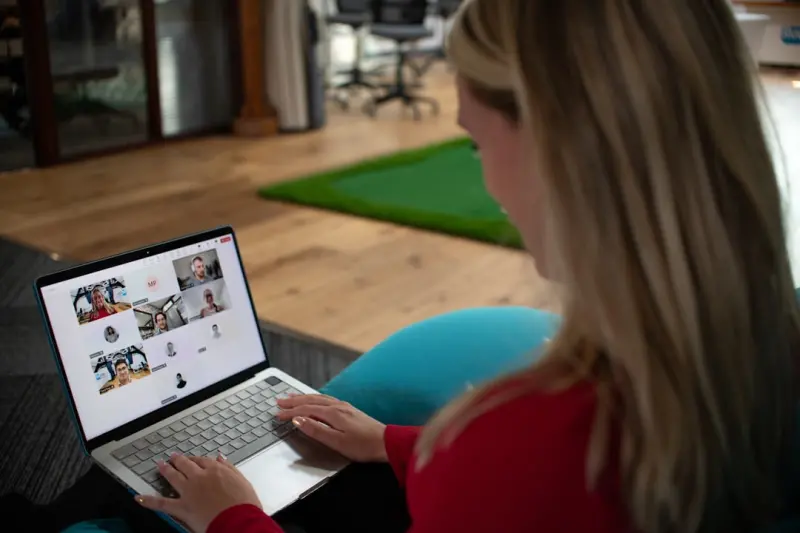
In today’s hyper‑connected world, the line between work and personal life has blurred to the point where we often feel like we’re living inside our inboxes. The constant ping of notifications, the pressure to be “always on,” and the endless stream of information can leave us mentally exhausted, even if our bodies look perfectly fine on the surface. I’ve spent the last few years navigating this digital overload, and I’ve discovered that the most powerful antidote isn’t another app or a new supplement—it’s a simple, intentional practice that re‑centers our nervous system: breathwork.
The Science Behind Breath: More Than Just Oxygen
When we talk about breathing, we usually think of it as an automatic, subconscious function that keeps us alive. But research in neurophysiology shows that breath is a direct bridge between the conscious mind and the autonomic nervous system (ANS). The ANS controls the “fight‑or‑flight” and “rest‑and‑digest” responses, and by consciously shaping our breath, we can influence heart rate variability, cortisol levels, and even the brain’s theta waves—those slow waves associated with deep relaxation and creative insight.
One of the most compelling studies conducted at the Harvard Medical School Center for Mind‑Body Research demonstrated that just ten minutes of paced breathing (four seconds in, six seconds out) lowered participants’ stress hormones by nearly 30% after a single session. The mechanism? The vagus nerve—a cranial nerve that runs from the brainstem to the abdomen—gets stimulated by slow, deep breaths, sending calming signals throughout the body.
Why Breathwork Matters for Remote Workers
If you, like me, spend most of your day in front of a screen, you’ve probably noticed the subtle but cumulative tension that builds in the jaw, shoulders, and lower back. This tension isn’t just a physical nuisance; it’s a manifestation of chronic sympathetic activation—your body’s perpetual “gear‑up” mode. Over time, that state can erode immunity, impair sleep, and sabotage focus.
Breathwork offers a low‑cost, no‑equipment solution that can be woven into the fabric of a typical workday. Here are three scenarios where a few conscious breaths can make a measurable difference:
- Morning kickoff: Before diving into emails, spend two minutes breathing in a 4‑2‑6 pattern (inhale for four seconds, hold for two, exhale for six). This primes the parasympathetic system, setting a calm tone for the day.
- Mid‑afternoon slump: The post‑lunch dip isn’t just a myth; it’s a dip in cortisol that can be countered with a quick “box breathing” session (four seconds in, hold, four seconds out, hold). You’ll notice sharper mental clarity within minutes.
- Pre‑meeting reset: Before a high‑stakes video call, try the “alternate nostril” technique for one minute. It balances the brain’s hemispheric activity, reducing anxiety and improving vocal confidence.
Integrating Breathwork with Your Physical Environment
It’s tempting to think that breathwork is purely an internal practice, but the environment you practice in dramatically influences its effectiveness. Studies on how lighting and texture shape our calm reveal that soft, indirect lighting, natural materials, and a touch of greenery can amplify the relaxation response. If you can, create a “breath corner” in your home office—a small nook with a plant, a diffused lamp, and a comfortable seat. Even a simple change like switching to a warm‑white bulb (2700‑3000K) can signal to your brain that it’s time to unwind.
For those who can’t spare a dedicated space, consider a portable “sensory kit”: a small ceramic diffuser with a calming essential oil (like cedarwood or frankincense), a textured stress ball, and a pair of noise‑cancelling earbuds playing low‑frequency ambient sounds. When you feel tension rising, pull out the kit, engage in a brief breathing cycle, and let the multisensory cues guide you toward relaxation.
Digital Hygiene: Protecting Your Mental Space
Beyond the breath, the digital ecosystems we inhabit also demand intentional stewardship. A protecting your digital footprint for mental peace approach isn’t just about security—it’s about reducing cognitive load. Each notification you receive forces your brain to shift attention, a process known as “attention residue,” which can linger for up to 25 minutes after you return to a task.
Here are three practical steps to create digital breathing room:
- Batch notifications: Turn off non‑essential push alerts and set specific times (e.g., 10 am, 2 pm, 6 pm) to check messages. This creates clear boundaries between focused work and social interaction.
- Use “Do Not Disturb” mode strategically: Pair it with a breathing reminder on your phone—many wellness apps let you set a gentle chime that cues a 30‑second breath pause.
- Curate your feeds: Unfollow accounts that trigger anxiety or comparison. Replace them with sources that promote wellbeing, such as mindfulness podcasts or nature photography.
Beyond Breath: Complementary Practices for Holistic Wellness
While breathwork is a cornerstone, integrating complementary habits creates a synergistic effect that can transform how you experience work and life.
Movement Micro‑Breaks
Research from the American College of Sports Medicine indicates that a 2‑minute stretch or light movement every hour can improve circulation, reduce musculoskeletal discomfort, and boost mood‑enhancing endorphins. Pair a movement break with a breath cycle—inhale while reaching up, exhale while folding forward—to lock the benefits together.
Mindful Eating
Eating at your desk while scrolling through emails often leads to mindless snacking and poor digestion. Adopt a “breath‑first” approach: before each bite, take three deep breaths, notice the aroma, texture, and flavor. This not only improves digestion but also trains the brain to savor the present moment.
Sleep Hygiene
Our nighttime recovery is the ultimate reset button for the nervous system. A simple pre‑sleep breathing ritual—such as the 5‑5‑5 method (inhale for five seconds, hold for five, exhale for five)—can lower heart rate and signal to your brain that it’s time to transition into REM sleep. Pair this with a dimming routine: reduce screen brightness, switch to a blue‑light filter, and consider a short, calming audio track.
Measuring Your Progress Without Obsession
One of the pitfalls of modern wellness is the reliance on data to the point of anxiety. While wearable technology can offer insights, the key is to use data as a guide, not a verdict. Here’s a balanced approach:
- Heart Rate Variability (HRV): Track HRV once a week in the morning. A rising trend generally indicates improved autonomic balance.
- Subjective Stress Scale: Rate your stress on a 1‑10 scale before and after a breathing session. Over weeks, you’ll see patterns emerge.
- Sleep Quality: Instead of obsessing over exact minutes, note how refreshed you feel upon waking. Correlate this with your evening breath routine.
Remember, the goal is sustainable change, not perfection. Even occasional practice yields measurable benefits, and the cumulative effect compounds over time.
Building a Breath‑First Culture at Work
If you’re in a leadership position, consider modeling and encouraging breathwork across your team. Here are actionable ideas you can implement:
- Kick‑off meetings with a one‑minute breath pause. It grounds participants, reduces anxiety, and improves listening.
- Introduce “Wellness Wednesdays” where teams share their favorite breath or stretch routines. This creates a shared language around self‑care.
- Provide resources: Curate a short list of guided breathing videos, or partner with a wellness coach for a monthly virtual session.
When leaders prioritize mental clarity, it trickles down, fostering a healthier, more productive environment.
Conclusion: Your Breath Is Your Superpower
We live in an era where external stimuli are relentless, but the most potent tool we possess is internal and always available: our breath. By integrating intentional breathing into the rhythms of your day—whether you’re launching a project, navigating a Zoom call, or unwinding before bed—you reclaim agency over your nervous system, boost resilience, and create space for genuine creativity.
Start small. Choose one of the three breath techniques outlined above and practice it for a week. Notice how your focus sharpens, your shoulders relax, and your mind feels less cluttered. Over time, expand to include movement breaks, mindful eating, and digital hygiene habits. Before you know it, you’ll have built a personal wellness framework that doesn’t rely on costly gadgets or fleeting trends, but on something you carry with you—every breath.

Laura Wilson is a freelance writer specializing in the dynamic and ever-evolving field of health. With a passion for translating complex medical information into accessible and engaging content, Laura brings a wealth of knowledge and a fresh perspective to topics ranging from preventative care and nutrition to cutting-edge research and innovative treatments.
Related Posts

Cultivating Your Body Clock: Intentional Pauses for Peak Wellness
Learn to sync daily tasks with your natural body clock using purposeful breaks, breathwork, nutritio... Read More

Urban Forest Bathing: The Science‑Backed Reset for Busy Professionals
Urban forest bathing offers a simple, science‑backed way for city‑dwelling professionals to lowe... Read More

Micro‑Break Mastery: Tiny Pauses, Big Health Wins
Learn how short, intentional pauses throughout your day can transform stress, energy, and sleep, off... Read More
Top Posts

Higher Volume, Lower Weight or Lower Volume, Higher Weight - What Workout Rules Will Increase Your Gains?
The gym floor is a battleground of philosophies, a constant hum of advice and debate. Among the most enduring and fiercely contested questions is the fundamenta...Read More

Why a Robust Plugin Strategy Is the Secret Weapon for SaaS Growth
A well‑designed plugin ecosystem lets SaaS platforms extend their functionality, deepen customer engagement, and create fresh revenue models—all without add...Read More
Marketing Mastery in 2026: Authentic, Sustainable, AI‑Driven Strategies
Explore how authentic narratives, eco‑focused tactics, and mindful AI can transform your 2026 marketing strategy into a powerhouse of trust, relevance, and la...Read More

What Are the Early Signs of Dementia? Recognizing the First Indicators
Dementia is a complex, progressive condition characterized by a decline in cognitive function severe enough to interfere with daily life. It is not a single dis...Read More
0 Comments
Post Comment
You will need to Login or Register to comment on this post!