

Beyond the Firewall: Building a Holistic Safety Net for Hybrid Teams
When I first stepped into the world of SaaS as a product engineer, safety was something I measured in bits per second—how quickly a firewall could block a malicious packet, how fast a DDoS mitigation could spin up. Over the years, the definition of safety has exploded. It now covers the physical well‑being of a remote‑first workforce, the mental bandwidth they spend navigating endless notification streams, and the operational integrity of the data pipelines that power our daily decisions. In this piece, I’ll unpack a framework that ties these strands together into a single, actionable safety net for hybrid teams.
Why “Safety” Needs a New Lens
Most safety conversations in tech still orbit around two poles: cybersecurity and psychological safety. Both are critical, but they’re like looking at a bridge from either end without checking the bolts in the middle. A truly resilient organization asks:
- Are employees physically safe while they bounce between home desks and co‑working spaces?
- Do the tools we use protect users from accidental data loss or configuration drift?
- Is the mental load of constant alerts and updates itself a safety hazard?
When these questions go unanswered, you end up with “alert fatigue,” “ergonomic injuries,” or “shadow IT”—all of which can cripple productivity and erode trust.
The Three‑Layer Safety Model
Think of safety as a three‑layer cake:
- Physical & Ergonomic Safety – The tangible environment where work happens.
- Digital & Operational Safety – The software, data pipelines, and access controls that keep systems humming.
- Psychological & Cognitive Safety – The invisible load of notifications, expectations, and mental bandwidth.
Each layer is interdependent. A poorly lit home office can increase eye strain, which leads to missed UI warnings, which in turn can cause a data‑entry error that ripples through a downstream analytics pipeline. The goal is to design safeguards that catch problems at the earliest possible layer.
Layer One: Physical & Ergonomic Safety
Hybrid workforces are no longer bound by a single office chair. Employees rotate between coffee shops, home desks, and satellite offices. Companies often overlook the ergonomic risks that accompany this fluidity.
Key Practices
- Stipend‑Based Equipment Programs: Offer a monthly allowance that employees can use for adjustable stands, ergonomic keyboards, or quality headphones. The flexibility respects personal preferences and reduces the temptation to work on a couch.
- Virtual Ergonomic Audits: Use a simple video call checklist—camera angle, monitor height, lighting—to give instant feedback. Pair this with a short video library that demonstrates proper posture and workstation setup.
- Safety‑First Scheduling: Encourage “no‑meeting blocks” that allow employees to stand, stretch, or step away from screens. Integrate these blocks into calendar defaults so they become a norm rather than an afterthought.
These steps not only reduce musculoskeletal disorders but also signal that the organization cares about the whole person, not just the output.
Layer Two: Digital & Operational Safety
While firewalls and encryption remain essential, the modern SaaS stack introduces new failure points: misconfigured APIs, version‑skewed micro‑services, and sprawling third‑party integrations. To protect against these, I advocate for a “Safety‑First Deployment Pipeline.”
Safety‑First Deployment Pipeline
- Automated Configuration Drift Detection: Tools that continuously compare live environments against a declarative baseline and raise a ticket before drift impacts users.
- Canary Release with Real‑Time Observability: Deploy new features to a small, randomly selected user segment while monitoring latency, error rates, and user‑experience metrics. If anomalies surface, roll back automatically.
- Immutable Backups & Versioned Data Stores: Treat data like code—every change is versioned, and snapshots are immutable. This makes recovery from accidental deletions painless.
- Third‑Party Risk Scoring: Assign a risk score to every external integration based on data sensitivity, authentication mechanisms, and historical reliability. High‑risk connections trigger additional manual review.
Implementing this pipeline transforms “release” from a high‑stakes gamble into a series of controlled, reversible steps.
Linking to Existing Thought Leadership
For teams grappling with the cognitive overload of constant security alerts, the article The Missing Piece in Remote Work: Psychological Safety offers strategies to calm the noise. Pair those tactics with the operational safeguards above, and you get a comprehensive safety net that spans mind and machine.
Layer Three: Psychological & Cognitive Safety
Psychological safety has become a buzzword, but its practical application often stalls at “open communication.” In reality, cognitive safety is about managing the information load that each employee processes daily. When alerts stack up, decision fatigue sets in, and the likelihood of a critical mistake spikes.
Practical Approaches
- Signal‑to‑Noise Ratio Audits: Review all system‑generated notifications and categorize them as “actionable,” “informational,” or “noise.” Suppress or batch the latter to avoid distraction.
- Personalized Alert Thresholds: Allow users to set their own thresholds for performance alerts based on role and seniority. A data engineer might need granular metrics, while a product manager may only need high‑level health checks.
- Digital Boundaries: Encourage team members to define “focus windows” where they mute non‑essential notifications. The post Digital Boundaries dives deep into this practice, showing how reclaiming mental space improves both safety and creativity.
When the brain isn’t overloaded, employees are more likely to notice subtle UI warnings, ask clarifying questions, and intervene before a small issue becomes a major incident.
Integrating the Layers: A Real‑World Playbook
Below is a step‑by‑step playbook that any B2B SaaS leader can adopt, regardless of company size.
- Kickoff Safety Sprint: Assemble a cross‑functional squad (HR, Security, Engineering, Design) and allocate two weeks to audit each safety layer.
- Physical Audit: Survey remote workers about ergonomics, collect anonymized data, and roll out stipend programs.
- Digital Audit: Run automated drift detection across staging and production. Flag any configuration mismatches for immediate remediation.
- Psychological Audit: Conduct a short pulse survey on alert fatigue. Use findings to adjust notification policies.
- Iterate & Embed: Turn audit findings into repeatable processes—e.g., a quarterly ergonomic check‑in, a CI/CD pipeline that includes drift detection, and a bi‑weekly “notification hygiene” meeting.
- Measure Impact: Track key metrics—reduction in ergonomic injury reports, number of rollback incidents, and average time spent on non‑essential alerts. Celebrate wins publicly to reinforce the safety culture.
This playbook ensures that safety is not a one‑off checklist but a living, evolving part of the organization’s DNA.
Case Study: A Mid‑Size SaaS Firm’s Safety Transformation
Let’s walk through a concrete example. Acme Analytics, a mid‑size B2B SaaS company, faced three intertwined challenges:
- Frequent back‑pain complaints from remote engineers.
- Two major production incidents caused by misconfigured API keys.
- Surveyed employees reporting “constant alert overload” and feeling “burned out.”
Applying the three‑layer model, Acme took the following actions:
- Ergonomic Grants: Offered a $150 quarterly stipend. Within a month, 78% of engineers ordered adjustable stands, reporting a 30% reduction in reported discomfort.
- Config Drift Guard: Integrated an open‑source drift detection tool into their CI pipeline. The tool caught a mis‑typed environment variable before it reached production, averting a potential data breach.
- Alert Hygiene Campaign: Introduced “Focus Hours” and let users set custom alert thresholds. After a two‑week trial, the average daily alerts per engineer dropped from 45 to 18, and the incident response time improved by 22%.
Six months later, Acme reported zero ergonomic injury claims, no production incidents linked to configuration drift, and a 15% increase in employee Net Promoter Score (eNPS). The safety investment paid off in both human and financial capital.
Future‑Proofing Safety in an Ever‑Evolving Landscape
The next wave of safety challenges will likely emerge from AI‑driven assistants, immersive VR collaboration spaces, and increasingly autonomous SaaS components. To stay ahead:
- Embed Safety Reviews in AI Model Lifecycles: Treat model bias and hallucination risks as safety concerns, just like a security vulnerability.
- Design VR Workspaces with Physical Safety in Mind: Include clear boundary cues, motion‑sickness mitigations, and real‑world hazard detection.
- Automate Ethical Guardrails: Use policy‑as‑code to enforce data‑privacy and compliance rules across autonomous workflows.
By extending the three‑layer model to these emerging domains, organizations can maintain a consistent safety philosophy that scales with technology.
Conclusion: Safety as a Competitive Advantage
When safety is woven into the fabric of a hybrid team’s daily experience, it does more than prevent mishaps—it unlocks higher performance, deeper trust, and a culture of proactive problem‑solving. The “holistic safety net” isn’t a luxury; it’s a strategic differentiator that can win customers, retain talent, and safeguard the brand’s reputation.
So ask yourself: Are you protecting only the perimeter, or are you safeguarding the people, the processes, and the mindsets that power your SaaS business? The answer will define the resilience of your organization for years to come.

Jimmy Anand is a content creator that gets inspired by many aspects of life, internet or whatever inspires him at that moment. When he's not online he's gaming and when he is not gaming he is online trolling discussion boards.
Related Posts

Everyday Safety Secrets You Need to Know
A personal guide to turning safety into a daily habit, from intuitive awareness to digital privacy, ... Read More

Building Your Modern Safety Shield: A Holistic Approach in a Complex World
In a world of evolving threats, safety transcends traditional boundaries. Robert Mathews shares his ... Read More

Safety as a Growth Engine: Why Every SaaS Team Must Prioritize It
A deep dive into the three layers of safety—operational, cyber, and cultural—and why prioritizin... Read More
Top Posts

The Blog as a Real‑Time Product Lab: Turning Readers into Co‑Creators
Discover a fresh approach to SaaS blogging that treats each post as an experiment, embeds interactive feedback, and turns readers into product co‑creators, fu...Read More

Turning Page Layouts into SEO Superchargers: A Narrative‑First Approach
Learn a narrative‑first framework for on‑page SEO that aligns content with storytelling, micro‑intent mapping, visual hierarchy, and schema to boost ranki...Read More
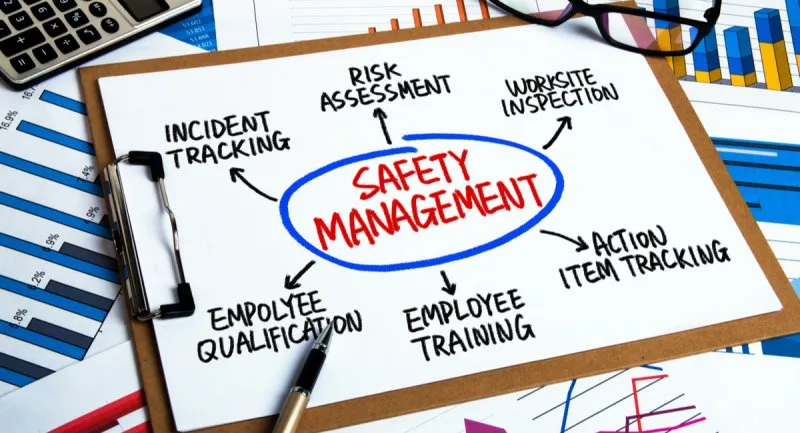
Workplace Safety Management: Guidelines, Compliance, and the Modern Imperative
Workplace safety is not merely a regulatory requirement; it is a fundamental ethical obligation and a critical component of successful business operations. A ro...Read More
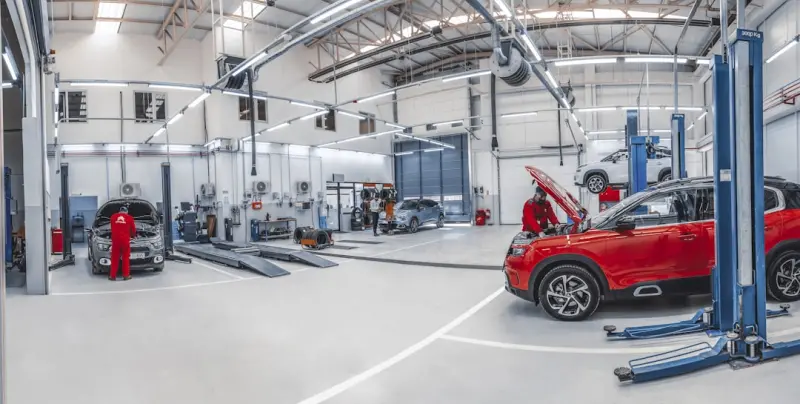
Your Car’s Next Upgrade: Predictive Maintenance as a Personal Health Coach
Predictive maintenance uses real‑time sensor data and AI to alert drivers of potential issues before they happen, offering cost savings, safety, and convenien...Read More
0 Comments
Post Comment
You will need to Login or Register to comment on this post!