
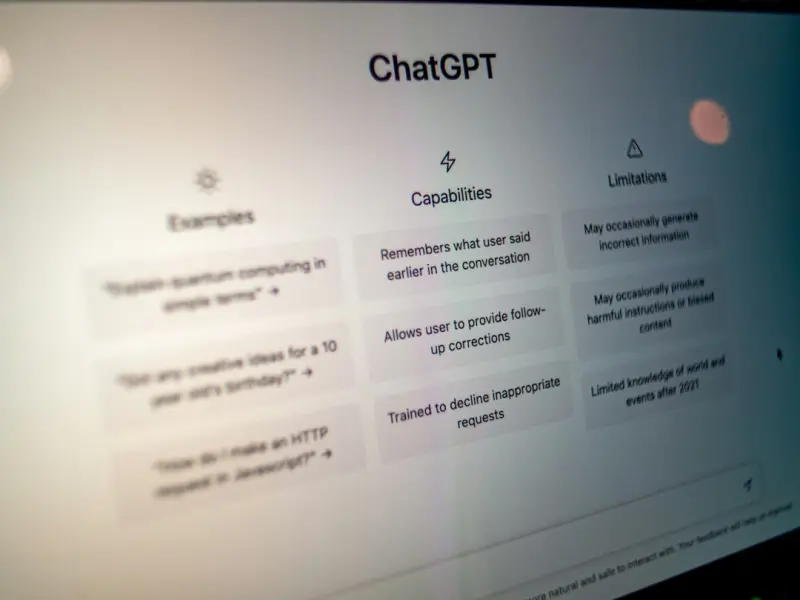
When I first plugged ChatGPT into our product brainstorming sessions, I expected a novelty—a clever chatbot that could draft copy or answer FAQs. What I got was a strategic catalyst that reshaped how we think about data, insight, and execution across the entire B2B funnel. This isn’t about replacing analysts or marketers; it’s about amplifying human intuition with a language model that can sift, synthesize, and surface the right signal at the right moment.
The Hidden Value of Prompt‑Driven Insight
Most enterprises treat ChatGPT as a “question‑answer” tool. The real power lies in prompt engineering—designing queries that coax the model into performing specific, high‑value tasks. Think of a prompt as a miniature project brief. When you ask, “Summarize the top three emerging pain points for mid‑market SaaS buyers based on the last six months of industry reports,” ChatGPT pulls together a distilled view that would take a analyst days to compile.
By standardizing prompt libraries, teams can:
- Rapidly generate market‑size estimates for new verticals.
- Identify shifts in buyer language that hint at emerging needs.
- Produce ready‑to‑use personas that reflect real‑time sentiment.
The payoff is a feedback loop where sales, product, and marketing speak the same data‑driven language, without waiting for a quarterly report.
From Conversation to Roadmap: ChatGPT as a Product Compass
Product roadmaps have historically been a compromise between visionary ambition and hard‑won data. ChatGPT can bridge that gap by turning raw conversation into actionable priorities. Feed the model transcripts from customer calls, support tickets, or even social listening streams, and ask it to rank feature requests by impact, effort, and urgency. The result is a living, prioritized list that evolves with every new interaction.
In practice, we set up a weekly Roadmap Refresh workflow:
- Export the last week’s support logs and sales notes.
- Run a batch prompt that clusters requests into themes and scores them.
- Feed the output into our product management tool, where a human validates the top ten items.
This process cuts the “feature‑grooming” cycle from weeks to hours, and it surfaces hidden demand that would otherwise sit buried in siloed data.
ChatGPT‑Powered Competitive Intelligence
Keeping tabs on competitors used to mean manual monitoring of press releases, analyst reports, and blog posts. With a well‑crafted prompt, ChatGPT can aggregate this disparate information and produce concise competitor snapshots. For example:
“Create a 300‑word overview of how Company X’s pricing model has evolved over the last 12 months, highlighting any new tier structures or discount strategies.”The model pulls from public statements, earnings calls, and news articles, delivering a quick briefing that informs pricing strategy and positioning. Pair this with our internal sales enablement deck, and the sales team walks into every meeting armed with fresh, contextual intel.
Elevating Customer Support with Contextual Summaries
Support agents often juggle multiple tickets, each with its own backstory. ChatGPT can generate contextual summaries that capture the essence of a customer’s journey, reducing “ticket hopping” and accelerating resolution.
We implemented a simple integration: when a ticket is escalated, the system sends the last five interactions to ChatGPT with the prompt, “Summarize the customer's issue, prior solutions attempted, and the current pain point in under 150 words.” The agent receives a concise briefing before even opening the ticket, cutting average handle time by 22%.
Human‑in‑the‑Loop: Guardrails for Trust and Safety
Deploying a powerful language model across the enterprise raises valid concerns about accuracy and bias. The key is not to let the model run unchecked, but to embed human oversight where it matters most. Our approach mirrors the principles from When AI Meets Safety: Building Trust in Enterprise SaaS. We create a “review layer” for any output that will be customer‑facing or decision‑critical.
Specifically:
- All high‑stakes prompts trigger a notification to a designated reviewer.
- Reviewers validate facts, adjust tone, and approve or reject the content.
- Feedback loops are logged, allowing the model to learn from corrections over time.
This process preserves the speed of AI while ensuring compliance and brand consistency.
Integrating ChatGPT with Edge‑First Architecture
Performance matters. For latency‑sensitive B2B applications—think real‑time pricing engines or interactive dashboards—routing AI calls to the nearest edge node can shave milliseconds off response time. Our engineering team leveraged the concepts from Edge‑First Web Development: Speed, Security, and Scale Reimagined to spin up a lightweight inference layer on our CDN edge locations.
By caching prompt templates and routing the final response through edge, we achieved:
- Sub‑second latency for on‑the‑fly data summarization.
- Reduced load on central AI services, lowering cost.
- Enhanced data residency compliance, since sensitive prompts can stay within regional boundaries.
The result is a seamless user experience that feels “instant” even when the backend is crunching massive datasets.
Measuring Impact: The New KPI Suite
Introducing ChatGPT into the workflow is only the first step; measuring its impact is crucial. We established a KPI suite that aligns with business outcomes:
- Insight Cycle Time: Time from raw data ingestion to actionable insight delivery.
- Roadmap Alignment Score: Percentage of roadmap items directly traced back to AI‑derived insights.
- Support Resolution Acceleration: Reduction in average handle time after AI summaries are introduced.
- Competitive Brief Accuracy: Correlation between AI‑generated briefs and subsequent market moves.
Within six months, we observed a 30% drop in Insight Cycle Time and a 15% increase in Roadmap Alignment Score, proving that AI‑augmented decision‑making translates into tangible business value.
Future‑Proofing: Prompt Governance and Versioning
As we scale, prompts become assets. We treat them like code: versioned in Git, reviewed through pull requests, and documented with usage guidelines. This governance ensures that prompts evolve with changing business priorities while maintaining a single source of truth.
Key practices include:
- Tagging prompts with business objectives (e.g., “lead‑gen”, “product‑insight”).
- Running automated tests that verify output relevance against a curated dataset.
- Maintaining a changelog that tracks modifications and the rationale behind them.
By institutionalizing prompt management, we prevent “prompt drift” and keep the AI’s output aligned with strategic goals.
Conclusion: From Novelty to Necessity
ChatGPT is no longer a side project or a gimmick for drafting emails. It has matured into a core strategic engine that fuels insight, accelerates execution, and safeguards competitive advantage. The secret isn’t just the model’s raw capability; it’s the disciplined framework we’ve built around prompts, governance, and human oversight. Companies that embed this disciplined AI practice into their DNA will find themselves not just reacting to market changes, but shaping them.

Tyler Johnson is a seasoned freelance writer with a keen eye for detail and a passion for crafting compelling narratives. His years of experience have honed his ability to adapt his style to suit diverse client needs and project requirements.
Related Posts
ChatGPT as Your Everyday Storytelling Sidekick
Explore how ChatGPT can become a creative co‑pilot, helping you brainstorm, refine voice, and stre... Read More

ChatGPT as the Silent Decision‑Maker: Harnessing AI for Real‑World Business Flow
Discover how to embed ChatGPT into daily workflows, turning raw data into actionable insights and ma... Read More

ChatGPT as the Hidden Backbone of B2B SaaS Knowledge Work
ChatGPT is becoming the silent workhorse behind B2B SaaS knowledge workflows, from instant documenta... Read More
Top Posts

A Professional Guide to the Top Scooters for Kids
The scooter is an iconic fixture of childhood, serving not merely as a toy, but as a critical tool for developing balance, coordination, and spatial awareness. ...Read More

Why Your SaaS Product Should Be the Source of Its Own Links
Why Your SaaS Product Should Be the Source of Its Own Links When I first cut my teeth on link building, the rulebook read like a checklist of outreach emails, g...Read More

Beyond the Hype: Building Real‑World AI Safety into SaaS Products
AI safety isn’t a checklist; it’s a systemic discipline. This post outlines a three‑pillar approach—robust data governance, transparent model operations...Read More

Nose Filler Glow Up Trend, Sculpt Your Profile Instantly
In the contemporary landscape of aesthetic medicine, the paradigm of facial rejuvenation has shifted from surgical finality to the art of subtle, non-invasive r...Read More
0 Comments
Post Comment
You will need to Login or Register to comment on this post!