
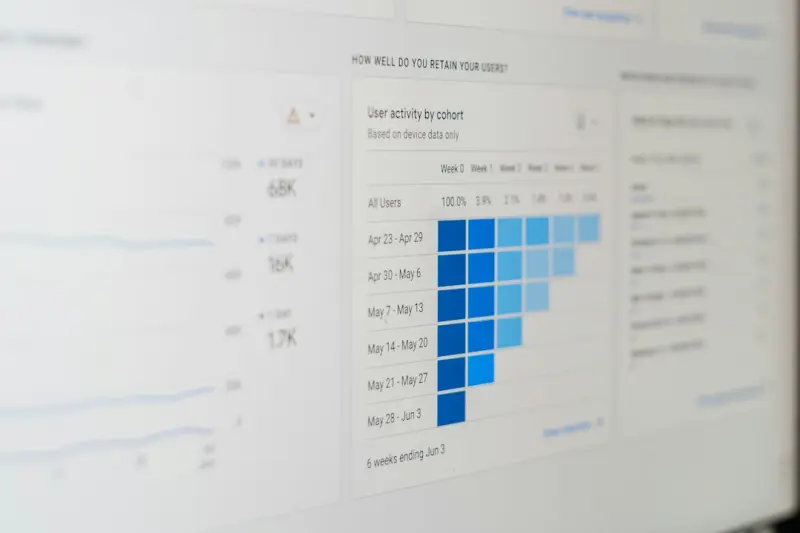
Why “Data‑First” Is No Longer a Nice‑to‑Have for Media Agencies
When I first stepped into the media agency world, the mantra was simple: creative wins. We chased bold ideas, crafted unforgettable visuals, and hoped the audience would respond. Fast forward to today, and the conversation has shifted from “what will capture attention?” to “how can we predict what will capture attention, in the moment, for every individual?” The answer lives in a data‑first mindset, powered by AI, modular tech stacks, and a willingness to break down silos that have held agencies back for decades.
The Old Funnel Is Crumbling
Traditional media planning still relies on a linear funnel: awareness, consideration, conversion. Metrics are measured weeks—or even months—after a campaign goes live. This lag forces agencies into a reactive mode, tweaking ads based on last‑quarter performance reports. In a world where consumers expect instant relevance, that latency is a death sentence.
Enter the real‑time strategic engine. Imagine a system that ingests first‑party signals, contextual data, and AI‑generated insights the second a user lands on a page, then instantly serves the most resonant creative variation. This isn’t a futuristic fantasy; it’s the emerging reality for agencies that have embraced a data‑first culture.
First‑Party Data: The New Gold Mine
With third‑party cookies on their way out, agencies can no longer rely on the “cookie crumb” model to understand audiences. The shift forces us to double down on first‑party data—the information we collect directly from our own touchpoints, such as brand websites, owned apps, and CRM platforms.
- Zero‑party data: Voluntary disclosures from users (e.g., preferences, surveys) that give us a clearer picture of intent.
- Behavioral signals: Page scroll depth, video watch time, and interaction patterns that reveal engagement levels.
- Transactional history: Past purchases, subscription renewals, and cart abandonment trends.
Harvesting this data requires a robust infrastructure—something many agencies still treat as an “IT problem.” The truth is, first‑party data strategy is as much a cultural shift as a technical one. Everyone from copywriters to media planners must understand the data they own and how it fuels the next creative decision.
AI‑Powered Insights: From Noise to Narrative
Data alone is meaningless without context. This is where artificial intelligence steps in, transforming raw signals into actionable narratives. Modern AI platforms can:
- Cluster audiences in micro‑segments based on real‑time behavior.
- Predict the next best creative asset for each segment, using historical performance and contextual relevance.
- Identify emerging trends—like a sudden spike in “sustainable travel” queries—and recommend thematic pivots within minutes.
For agencies that have previously relied on quarterly “insight decks,” AI offers a continuous insight loop. The result? Campaigns that evolve as fast as consumer sentiment does.
Modular Tech Stacks: The Backbone of Agility
To make data‑first, AI‑driven campaigns possible, agencies need a technology foundation that’s as flexible as the creative ideas they produce. Rigid monoliths—think legacy ad servers that require weeks to implement a new data source—just can’t keep up. Instead, agencies are turning to Composable Software: Building SaaS with Modular APIs for Speed and Scale. By stitching together best‑of‑breed services—data management platforms, AI engines, real‑time bidding (RTB) adapters—agencies can spin up new capabilities in days, not months.
Key benefits of a modular stack include:
- Speed to market: Plug‑and‑play APIs let you add a new data source or creative format with minimal code.
- Scalability: Each component can be scaled independently, ensuring that a spike in traffic doesn’t cripple the entire system.
- Future‑proofing: As new technologies emerge—say, a novel AR ad format—you can integrate them without a full platform overhaul.
This architectural mindset mirrors the way modern media agencies think about campaigns: as a collection of interchangeable, high‑performing modules rather than a single, static monolith.
Dynamic Creative Optimization Isn’t Enough—It’s the Starting Line
We’ve all heard the rallying cry that media agencies must master Dynamic Creative Optimization (DCO). While DCO remains a critical tool, it’s only the tip of the iceberg. The next evolution combines DCO with AI‑driven audience prediction and first‑party data activation, creating a feedback loop where the creative itself learns and adapts.
Picture this: an e‑commerce brand launches a summer campaign. The AI engine detects that a segment of users is highly responsive to bright, tropical visuals, while another segment prefers minimalist, product‑focused imagery. As users interact, the system measures micro‑conversions—such as hover time on a product carousel—and instantly swaps creative elements to boost the next impression. This hyper‑personalization goes far beyond simple A/B testing; it’s a continuous, data‑driven creative evolution.
Breaking Down Silos: The Collaborative Command Center
Data‑first strategies crumble when teams operate in isolation. In many agencies, the data science team lives on a different floor from the creative studio, and the media buying department talks a language that the account managers barely understand. To truly harness real‑time data, agencies must build a Collaborative Command Center (CCC)—a cross‑functional hub where data analysts, strategists, creatives, and technologists share a single dashboard.
Key elements of a successful CCC:
- Unified KPI view: A single set of metrics that all teams agree on, such as “incremental ROI per micro‑segment.”
- Live data feeds: Real‑time dashboards powered by streaming data pipelines, allowing instant decision‑making.
- Rapid experiment framework: A documented process for launching, measuring, and scaling micro‑tests across channels.
- Culture of curiosity: Regular “data storytelling” sessions where analysts translate numbers into narratives the creative team can act upon.
When silos dissolve, the agency moves from a “campaign‑by‑campaign” approach to an ongoing “experience‑by‑experience” model, where every touchpoint is optimized on the fly.
Real‑World Example: A Mid‑Size Agency’s Transformation
Let me share a case study that illustrates the impact of this paradigm shift. A mid‑size agency, specializing in travel and hospitality, was struggling with diminishing returns on its programmatic spend. Their traditional approach—quarterly audience segmentation, static creative bundles, and manual bid adjustments—was simply too slow.
They embarked on a three‑phase overhaul:
- Data consolidation: Integrated their CRM, website analytics, and loyalty program data into a single Customer Data Platform (CDP).
- Modular stack rollout: Adopted a composable architecture, swapping out a legacy ad server for an API‑first RTB platform that could ingest first‑party signals instantly.
- AI‑driven real‑time optimization: Deployed an AI engine that generated micro‑segments on the fly and selected the highest‑performing creative variant for each impression.
The results were striking:
- Overall ROI increased by 38% within the first two months.
- Cost per acquisition (CPA) dropped 22%, thanks to more precise audience targeting.
- Creative refresh cycles shortened from a monthly cadence to a daily cadence, keeping the brand’s messaging fresh and relevant.
This transformation didn’t happen overnight. It required buy‑in from leadership, a willingness to experiment, and a clear communication plan that kept every stakeholder aligned. But the payoff—a sustainable, data‑first engine—proved worth the effort.
Ethical Considerations: Balancing Personalization with Privacy
While we’re excited about the possibilities of hyper‑personalized media, we must tread carefully. First‑party data is a privilege, not a right. Agencies need to embed privacy safeguards into every layer of their stack:
- Transparent consent mechanisms: Offer clear opt‑in/opt‑out choices at every data collection point.
- Data minimization: Only collect what’s essential for campaign objectives.
- Secure storage and access controls: Use encryption and role‑based permissions to protect sensitive information.
- Bias audits: Regularly review AI models for inadvertent bias that could skew targeting.
By treating privacy as a core feature—not an afterthought—agencies not only comply with regulations but also earn the trust of the consumers they aim to reach.
Future Outlook: The Rise of “Predictive Media Planning”
Looking ahead, the next frontier for media agencies will be Predictive Media Planning (PMP). Unlike traditional planning, which relies on historical benchmarks, PMP uses AI to forecast the performance of media mixes before any dollars are spent. Imagine a dashboard where you can simulate the impact of adding a TikTok influencer partnership, a programmatic audio ad, or a native content placement—and see the projected lift in real‑time.
Key technologies enabling PMP include:
- Simulation engines that model audience behavior under various exposure scenarios.
- Scenario analytics that weigh risk versus reward across channels.
- Automated budget allocation that reallocates spend on the fly as predictive signals shift.
When agencies master PMP, they’ll move from “reactive optimization” to “proactive orchestration,” guiding the consumer journey before it even begins.
Action Steps for Agencies Ready to Leap
If you’re an agency leader, here’s a practical roadmap to start building your data‑first, real‑time engine:
- Audit your data sources: Identify all first‑party touchpoints and map them to a unified CDP.
- Adopt a composable architecture: Replace monolithic platforms with API‑first services that can be swapped as needs evolve.
- Invest in AI talent or partners: Whether it’s hiring data scientists or partnering with an AI vendor, ensure you have the expertise to turn data into insight.
- Establish a Collaborative Command Center: Create a shared dashboard, define unified KPIs, and institute a rapid‑experiment culture.
- Embed privacy by design: Integrate consent, security, and bias checks into every layer of your stack.
- Pilot Predictive Media Planning: Start with a single client, run simulation models, and refine based on real outcomes.
These steps may feel ambitious, but the market rewards speed. Agencies that embed a data‑first mindset today will be the ones delivering the most relevant, high‑performing experiences tomorrow.
Conclusion: The Data‑First Agency Is the Future‑Ready Agency
Media agencies are at a crossroads. The old playbook—creative brilliance plus seasonal reporting—can no longer sustain client expectations in an always‑on, data‑driven world. By championing first‑party data, embracing modular tech stacks, leveraging AI for real‑time insight, and fostering cross‑functional collaboration, agencies can transform themselves into strategic, predictive powerhouses.
It’s not just about keeping up; it’s about setting the pace. The agencies that master this shift will not only survive the post‑cookie era—they’ll define it.

Jessica Gills is a freelance writer carving a niche for herself by empowering others through her words. With a focus on careers, self-development, and business, she helps readers navigate the complexities of the modern professional landscape.
Related Posts

The Evolution of Media Agencies: Navigating the Complexities of Modern Media
The media landscape is undergoing significant changes, driven by advances in technology and shifting... Read More
Hybrid Media Agencies: Blending Data, Storytelling, and Trust
Discover the rise of hybrid media agencies that fuse data, technology, and creative storytelling to ... Read More

What Advertising Media Agencies Know - And Aren't Telling
In the glittering, fast-paced world of advertising, media agencies often play the role of the enigma... Read More
Top Posts

Leveraging Google Gemini for Real‑Time B2B Insight Generation
Google Gemini’s multimodal capabilities let B2B SaaS platforms deliver instant, context‑aware insights, streamline support, and open new product opportuniti...Read More

When Sensors Meet Skin: Crafting a Data‑Driven Personal Care Routine
Discover how real‑time skin sensors, collective purchasing power, and robust data security are creating a new era of personalized, sustainable personal care....Read More

Why the Car of Tomorrow Is Already Driving Your Data
The modern car is no longer just metal and engine—it’s a data hub that predicts maintenance, learns from drivers, and evolves through AI-driven updates, her...Read More

Web Development in 2024: Michelle Fisher’s Inside Look at the Hottest Trends
Michelle Fisher shares her frontline perspective on 2024’s web development wave, covering Jamstack, AI assistants, serverless, PWAs, and more—essential read...Read More
0 Comments
Post Comment
You will need to Login or Register to comment on this post!