
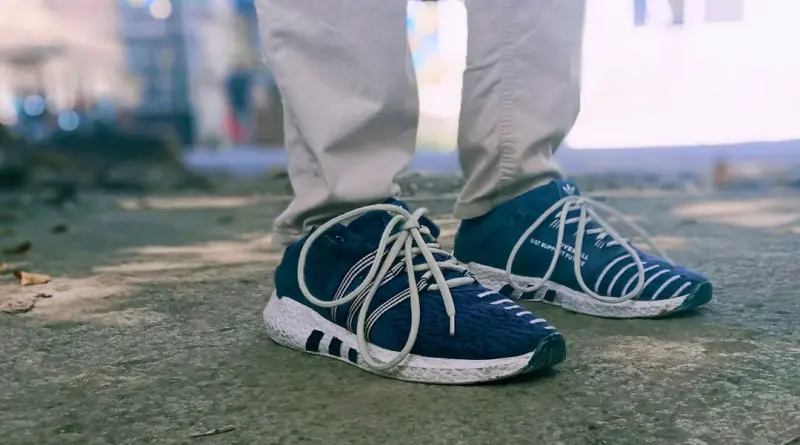
When I first slipped on a pair of interchangeable‑sole sneakers at a pop‑up market in Brooklyn, I felt like I was stepping into a new era of personal style. No longer were we confined to the static silhouettes that once defined our closets. Instead, we now have the power to re‑configure, re‑mix, and re‑imagine our footwear as fluid extensions of our mood, our schedule, and even our sustainability goals. This shift isn’t just a fleeting trend—it’s a cultural pivot that merges design ingenuity, consumer empowerment, and eco‑consciousness into a single, walkable experience.
The Anatomy of Modularity: Beyond the Gimmick
Modular shoes break down the traditional shoe into three core components: the upper, the midsole, and the sole platform. Each piece is engineered to snap, zip, or click together, allowing the wearer to swap textures, colors, and functionalities on the fly. The idea might sound like a novelty, but the engineering behind it is rigorous. Designers must ensure structural integrity, comfort, and durability across countless possible configurations. This means using high‑grade, flexible polymers for the sole clips, breathable yet sturdy knit fabrics for the uppers, and shock‑absorbing foams that can be interchanged without compromising performance.
What makes this truly transformative is the agency it returns to the consumer. In an era where fast fashion has left many feeling powerless—caught in a cycle of overproduction and disposable trends—modular footwear flips the script. It invites us to be co‑creators, curating our own style narratives from a palette of interchangeable parts.
From Runway to Real Life: Designers Embrace the Remix Culture
High‑fashion houses have long flirted with the idea of adaptability. Think of runway shows where models swapped shoes mid‑walk or designers presented multiple looks from a single garment. But the latest wave goes beyond theatricality. Brands like ShiftStep and ReBoot Kicks have launched limited‑edition modules that collaborate with street artists, tech innovators, and even athletes. This cross‑pollination creates a product line that feels both exclusive and democratic.
- Artistic collaborations: Limited‑run uppers featuring graffiti‑inspired prints, then paired with a minimalist monochrome sole for day‑to‑night versatility.
- Performance upgrades: Runners can replace a cushioned midsole with a high‑energy spring platform for sprint sessions, then revert to a comfort‑focused foam for daily commutes.
- Seasonal swaps: Waterproof outsoles for rainy months, breathable mesh for summer, all while keeping the same core upper.
These collaborations aren’t just marketing fluff; they reflect a broader consumer desire for products that evolve with their lives. The modular model reduces the impulse to discard a pair when a single element feels outdated, extending the overall lifespan of the shoe.
Data‑Driven Personalization Meets Footwear
Personalization has become a buzzword across e‑commerce, but the fashion industry is finally harnessing data in a way that feels genuinely useful. By analyzing purchase histories, browsing patterns, and even biometric feedback from smart insoles, brands can recommend specific modules that complement a shopper’s lifestyle.
For instance, a user who frequently purchases hiking gear might receive a suggestion to swap their city‑slick sole for a rugged, tread‑enhanced module before the weekend. Conversely, a commuter who logs long hours on public transit could be prompted to try a cushioning upgrade that eases foot fatigue. This kind of insight‑driven recommendation engine feels less like a sales pitch and more like a personal stylist that truly gets you.
What’s exciting is the feedback loop: as users interact with the modular ecosystem, they generate new data points that refine future suggestions. This creates a virtuous cycle where the product becomes smarter, and the experience feels increasingly bespoke.
Sustainability by Design: Reducing Waste One Sole at a Time
Fashion’s environmental footprint has been a hot topic for years, yet most solutions focus on material innovation—organic cotton, recycled polyester, plant‑based leathers. Modularity adds another dimension: it attacks the product lifecycle itself.
When a single component fails or goes out of style, you replace just that piece instead of the entire shoe. This dramatically cuts down on textile waste, which, according to recent reports, accounts for a significant portion of landfill mass. Moreover, because modules are often designed for easy disassembly, they’re ideal candidates for recycling programs that separate materials more efficiently.
Brands are also experimenting with circular models. Some companies offer “module‑as‑a‑service,” where customers can lease premium upgrades for a season and return them for refurbishing. This mirrors the subscription box trend but applies it to high‑performance footwear, ensuring that every component sees multiple lives before its eventual retirement.
Tech Integration: Smart Soles and Real‑Time Feedback
One of the most compelling aspects of modular shoes is the ability to embed technology directly into the interchangeable pieces. Smart insoles equipped with pressure sensors can track gait, posture, and impact forces. When paired with a mobile app, these sensors provide real‑time feedback, suggesting adjustments or recommending a different midsole for better alignment.
Imagine a scenario where your app detects a subtle change in your stride after a long day at the office and automatically suggests swapping to a supportive arch‑boosting module for your evening walk. The integration of tech isn’t limited to performance; it also enhances the aesthetic experience. LED‑infused soles can change color based on music beats at a concert, turning a simple accessory into an interactive statement piece.
Community‑Driven Design: Crowdsourcing the Next Module
Modular systems naturally lend themselves to community involvement. Online forums and social media groups have sprouted where enthusiasts share DIY designs, remix existing modules, and vote on upcoming releases. Some brands have taken this a step further by launching design challenges, inviting users to submit their own module concepts. Winners see their ideas produced in limited runs, often with a royalty share.
This democratization of design blurs the line between creator and consumer. It also aligns with the broader cultural shift toward co‑creation, where brands act as platforms rather than sole originators of style. The result is a richer, more diverse product ecosystem that resonates with a wider audience.
Retail Experience Reimagined: The Modular Pop‑Up
Physical retail is undergoing a renaissance, and modular shoes are perfect catalysts for experiential stores. Pop‑up spaces now feature interactive stations where shoppers can mix and match components on the spot, test comfort levels on custom treadmills, and even watch live 3D printers produce a bespoke sole in minutes.
These immersive environments do more than sell a product; they educate consumers about durability, sustainability, and the value of thoughtful design. By allowing customers to see the inner workings of modularity, brands build trust and foster a deeper emotional connection to the footwear.
Challenges and Opportunities: Scaling the Modular Model
While the modular approach offers many advantages, it also presents logistical hurdles. Managing inventory for multiple interchangeable parts is more complex than traditional SKU tracking. Companies must invest in robust supply chain software to ensure that popular modules are stocked while niche pieces remain available on demand.
Moreover, quality control is paramount. Each connection point must be rigorously tested to prevent failures that could compromise safety. Some brands have turned to lean manufacturing processes that minimize waste and streamline assembly, thereby reducing both cost and environmental impact.
Despite these challenges, the market response suggests a strong appetite for modularity. Early adopters report higher satisfaction rates, and the resale value of modular shoes remains robust—buyers appreciate the ability to refresh a pair without purchasing a whole new set.
Future Outlook: From Footwear to Full Wardrobe Integration
The modular philosophy isn’t confined to shoes. Designers are already exploring interchangeable elements for jackets, bags, and even jewelry. The underlying principle—designing products that adapt to the wearer’s evolving needs—has the potential to reshape the entire fashion ecosystem.
Imagine a backpack where the main compartment swaps for a sleek laptop sleeve, or a coat that transitions from insulated to breathable with a simple zip‑on layer. As technology advances and consumer expectations evolve, the boundary between separate accessories will blur, giving rise to a truly integrated wardrobe.
In the end, the rise of modular shoes represents a broader cultural movement toward empowerment, sustainability, and personalized experiences. By embracing this shift, we not’t just change the way we walk—we change the way we think about the objects that accompany us on our journeys.
As we lace up the future, the next step is clear: choose the parts that reflect who you are today, and let them evolve with you tomorrow.

In the world of freelance writing, where creativity and adaptability are paramount, Michelle Fisher stands out as a dedicated and versatile professional. With a passion for crafting compelling narratives and a keen eye for detail, Michelle has established herself as a trusted voice.
Related Posts

The Future of Fashion: How Tech‑Driven Accessories Are Redefining Personal Style
A deep dive into how digital wardrobes, customizable sneakers, and security‑first design are resha... Read More
Modular Style: Building a Capsule Wardrobe That Grows With You
Discover how to transform a static closet into a versatile, sustainable system using modular pieces,... Read More

Step Into Signature Style: Curate Your Perfect Shoe Wardrobe
A fresh look at building a shoe wardrobe that balances daring designs with comfort and eco‑friendl... Read More
Top Posts

The Healing Power of Travel: How Exploring the World Can Improve Mental Health
Travel has the power to heal and transform us in profound ways, improving our mental health and well-being. Learn about the connection between travel and mental...Read More

Signs That Your Roof Needs Repair
Your roof is the first line of defense against the elements, protecting your home and family from rain, snow, wind, and sun. It's easy to take it for granted wh...Read More

What Advertising Media Agencies Know - And Aren't Telling
In the glittering, fast-paced world of advertising, media agencies often play the role of the enigmatic wizard behind the curtain. They wield immense power, orc...Read More

Wireless Video Doorbell
The concept of a doorbell, a simple mechanism to announce a visitor, has existed for centuries. From rudimentary chimes to electromagnetically operated bells, i...Read More
0 Comments
Post Comment
You will need to Login or Register to comment on this post!