

When I first migrated my portfolio site onto a dedicated server, the difference felt like moving from a crowded coffee shop to a private studio—no background chatter, no shared bandwidth, just pure, unfiltered performance that let my creative process breathe. The moment the DNS resolved, pages rendered in a blink, and I could finally test high‑resolution media without watching the loading bar crawl. That instant clarity sparked a deeper curiosity about why dedicated hosting has become the go‑to infrastructure for creators who refuse to compromise on speed.
Unleashing Raw Speed for Creative Projects
Speed isn’t just a vanity metric; it’s the lifeblood of immersive experiences, from interactive galleries to real‑time 3D renderings that demand millisecond precision. On a shared host, my site would jostle for CPU cycles, causing latency spikes that turned a smooth scroll into a stuttered shuffle, and that disruption immediately eroded visitor trust. With a dedicated machine, I now command an entire processor core, SSD arrays, and a custom network stack, delivering sub‑second load times that keep users engaged and search engines humming.
But raw horsepower alone isn’t enough—optimizing the stack to match creative workflows multiplies the impact. I configured Nginx with HTTP/2 and enabled Brotli compression, trimming payload sizes by up to 30 % and allowing high‑resolution textures to stream without buffering. Coupled with a CDN edge that respects my origin’s cache headers, the result is a seamless experience that feels native, whether a visitor is on a 5G phone or a desktop wired to fiber. Dedicated hosting turns latency into an afterthought, freeing me to focus on content rather than infrastructure.
Fortifying Security for the Modern Creator
In a world where a single breach can tarnish a brand forever, security is the silent partner behind every successful creative venture. Shared environments expose sites to cross‑contamination; a neighbor’s vulnerability can cascade, compromising my own data and client assets. By isolating my applications on a dedicated server, I control firewall rules, SSH keys, and intrusion detection systems without the constraints of a one‑size‑fits‑all control panel.
Beyond isolation, I implemented a multi‑layered defense: fail2ban to throttle brute‑force attempts, ModSecurity for real‑time OWASP rule enforcement, and automated nightly snapshots stored offsite for instant disaster recovery. This architecture not only protects my portfolio but also satisfies compliance requirements for client contracts that demand GDPR‑level safeguards. The peace of mind translates directly into creative freedom—knowing my digital studio is locked down lets me experiment without fearing a data leak.
Scalable Resources That Grow With Your Vision
Creative projects rarely stay static; a viral campaign can spike traffic overnight, and a new product launch may demand additional compute for video transcoding or AI‑driven personalization. Dedicated hosting gives me the agility to scale vertically—adding RAM, CPU cores, or dedicated GPU instances with a single support ticket—without the unpredictable performance penalties of a cloud auto‑scale group that spins up generic VMs.
For instance, during a recent product reveal, I provisioned an extra 32 GB of RAM and a dedicated NVIDIA RTX card to handle on‑the‑fly video rendering. The server’s isolated bandwidth ensured my live stream stayed buffer‑free even as concurrent viewers surged past 10,000. This kind of predictable, on‑demand scalability is why many creators treat dedicated servers as a strategic asset, not just a hosting choice.
Cost‑Effectiveness and Return on Investment
It’s easy to assume dedicated hosting is a premium expense reserved for enterprises, but the ROI becomes evident when you quantify lost conversions from slow load times or security incidents. A study from Google shows that a one‑second delay in mobile load time can shave up to 20 % of revenue—an alarming figure for any artist relying on e‑commerce sales. By eliminating those delays, I’ve consistently seen bounce rates dip below 30 % and average session duration climb, directly boosting ad impressions and sales.
When you factor in the reduced need for third‑party performance plugins, the savings on CDN overages, and the lower churn from satisfied clients, the total cost of ownership often matches or undercuts the cumulative fees of multiple shared or managed plans. In my own budgeting, the predictable monthly fee of a dedicated server has become a line item that supports growth rather than a hidden expense that erupts during traffic spikes.
Empowering the Creative Workflow
Creative professionals thrive on tools that respond instantly, whether it’s a Photoshop layer, a Blender render, or a WordPress Gutenberg block. Dedicated hosting provides the computational muscle to run local development environments, CI pipelines, and headless CMSes without the lag that plagues shared hosts. I’ve set up Docker containers for each project, enabling me to spin up isolated environments for client previews with a single command.
This streamlined workflow mirrors the efficiency of a physical studio where every brush, camera, and instrument is within arm’s reach. By hosting my own GitLab instance on the same server, code reviews, issue tracking, and deployment pipelines happen in real time, collapsing days of iteration into hours. The synergy between hardware and creative software means I spend less time troubleshooting and more time iterating on design concepts.
SEO Gains Powered by Performance
Search engines have made it clear: page speed is a ranking signal, and user experience metrics like Core Web Vitals directly influence visibility. With a dedicated host, I can fine‑tune server response times to consistently hit sub‑100 ms Time‑to‑First‑Byte (TTFB), a benchmark that most shared environments struggle to achieve during peak hours. This technical advantage translates into higher rankings, especially for competitive keywords in the creative niche.
For a deeper dive into how performance fuels SEO, check out The Next Wave of SEO: Intent, AI, and Experience Over Keywords, which explores the intersection of speed and user intent. Pairing that insight with the dedicated infrastructure I describe here creates a feedback loop where faster pages attract more clicks, and those clicks reinforce authority in the eyes of search algorithms.
Managed Support That Keeps You Moving
One myth about dedicated hosting is that you’re left to fend for yourself, but modern providers bundle expert support, automated patch management, and proactive monitoring into their offerings. I leverage a managed plan that includes 24/7 NOC oversight, real‑time alerts for CPU spikes, and scheduled OS hardening—all without lifting a finger. This safety net frees me to allocate mental bandwidth to creative brainstorming instead of server upkeep.
When a kernel update is required, the provider stages it in a staging environment, runs regression tests, and only promotes it after confirming stability. This disciplined approach reduces downtime to near zero, a crucial factor when you’re rolling out a time‑sensitive campaign. The partnership model transforms the server from a technical burden into a collaborative teammate.
Future‑Proofing With Hybrid and AI‑Ready Architectures
While dedicated servers deliver unmatched control, the future points toward hybrid models that blend on‑premise power with cloud elasticity, especially for AI‑driven creative tools. Imagine a dedicated backend handling secure asset storage and rendering, while a burstable cloud instance provides GPU acceleration for machine‑learning image enhancement on demand. This synergy allows creators to stay lean while tapping into emerging technologies without over‑investing in hardware.
Providers are already rolling out API‑first interfaces that let you orchestrate workloads across on‑premise and cloud resources, turning your dedicated server into a hub for experimentation. By positioning your infrastructure now, you’ll be ready to adopt next‑gen tools like generative design engines, which require both the reliability of dedicated hardware and the flexibility of cloud compute.
Conclusion: Make Dedicated Hosting Your Creative Superpower
In my journey from a modest blog on shared hosting to a full‑scale creative studio powered by a dedicated server, the transformation has been nothing short of liberating. The combination of blistering speed, airtight security, scalable resources, and managed support equips creators to push boundaries without fearing technical bottlenecks. If you’re ready to elevate your digital presence from merely online to truly unstoppable, it’s time to consider dedicated hosting as the cornerstone of your creative strategy.

Brad Hays is a freelance writer known for his versatile skill set and ability to craft compelling content across a wide range of industries.
Related Posts
Why Dedicated Hosting Is the Underrated Powerhouse Behind Scalable SaaS
A deep dive into why dedicated hosting, often overlooked in favor of cloud services, provides unmatc... Read More
Dedicated Hosting: The Performance & Compliance Engine Your SaaS Needs
Dedicated hosting offers SaaS companies a private, high‑performance environment that solves latenc... Read More
Dedicated Hosting: The Compliance Backbone for Modern SaaS
Dedicated hosting provides SaaS companies with isolated, predictable, and secure infrastructure, ess... Read More
Top Posts
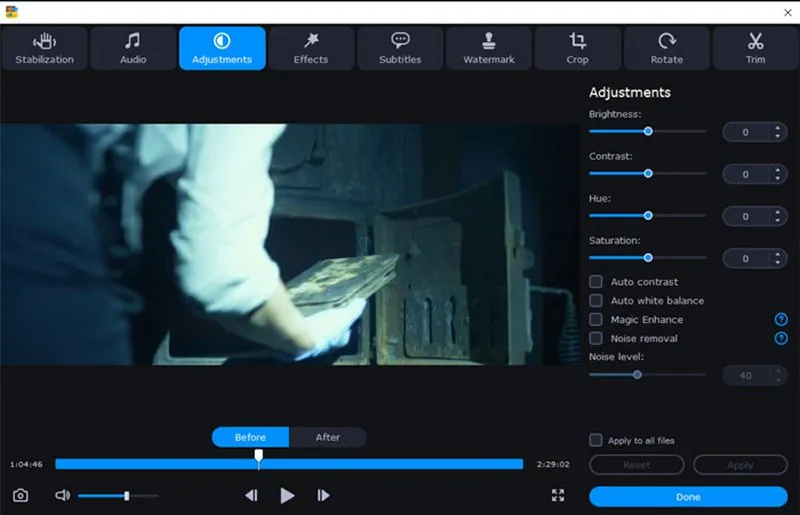
Movavi's video stabilizer a must have
In an age where nearly everyone carries a high-definition camera in their pocket, the sheer volume of video content being created daily is staggering. From capt...Read More

Elevating the Family Ski Vacation: Discovering Resorts Everyone Will Adore
A family ski vacation represents a unique opportunity to forge lasting memories, foster new skills, and immerse yourselves in the breathtaking beauty of winter ...Read More
TikTok’s New Role in Skill Sharing & Micro‑Learning
Discover how TikTok is turning short videos into micro‑learning experiences, letting creators teach skills and audiences master new hobbies—all while keepin...Read More

The Hidden Health Benefits of Slow Living in a Fast World
Explore the health advantages of adopting a slower lifestyle, including mindful nutrition, stress reduction, and improved sleep, while balancing modern tech for...Read More
0 Comments
Post Comment
You will need to Login or Register to comment on this post!