
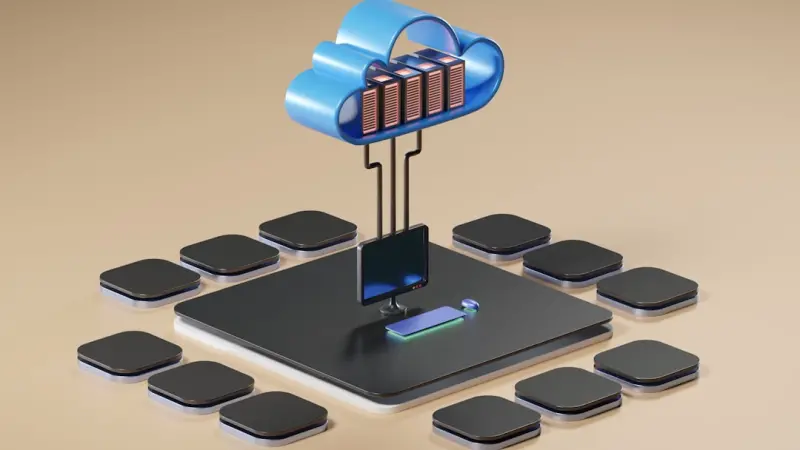
When I first migrated my design studio to the cloud, I expected the usual promises of “faster speeds” and “unlimited scalability,” but what truly transformed my workflow was the subtle shift toward edge cloud hosting—a network of micro‑data centers that sit literally around the corner from my clients, collaborators, and my own laptop. The latency dropped from seconds to milliseconds, turning file sync from a frustrating wait into an almost instantaneous hand‑off, and that felt like discovering a secret shortcut in a city I thought I knew well. This experience convinced me that the future of creative work hinges not just on having a server, but on where that server lives, and how it mirrors the fluid, location‑agnostic lifestyle many creators now lead.
Why Traditional Cloud Still Holds Creators Back
Legacy cloud providers often bundle massive, monolithic infrastructures that excel at handling enterprise‑grade traffic but falter when the workload spikes in unpredictable bursts, such as a viral social media campaign that suddenly floods a portfolio site with thousands of visitors. In those moments, the “pay‑as‑you‑go” model becomes a double‑edged sword, inflating bills while throttling performance, and the dreaded “cold start” latency can turn a potential client’s excitement into abandonment. Moreover, the centralized nature of these platforms means every asset—high‑resolution mockups, raw footage, or proprietary fonts—traverses long, crowded routes, increasing exposure to data‑interception risks that make any creative mind uneasy.
The Edge Advantage: Proximity Meets Power
Edge cloud hosting pushes compute and storage closer to the user’s edge, effectively creating a constellation of mini‑servers that deliver content from the nearest point of presence, slashing round‑trip time and preserving the fidelity of large media files. Because these nodes operate independently yet cohesively, they can automatically balance load across regions, ensuring that a sudden surge in traffic on a product launch page never overwhelms a single data center, and the pricing model often mirrors true usage rather than a blanket premium for “enterprise‑grade” reliability. For a creator who juggles client presentations, live‑streamed workshops, and collaborative editing sessions, that blend of speed, resilience, and granular cost control feels like a bespoke studio built inside the internet itself.
Building a Real‑World Creative Workflow on the Edge
Imagine a typical day: I start by pulling the latest Photoshop files from a cloud‑based asset library, edit them on a high‑resolution monitor, and then push the updated versions to a shared workspace that instantly syncs to my client’s mobile device for on‑the‑fly feedback. With edge nodes strategically placed in major creative hubs—Los Angeles, Berlin, Tokyo—the upload finishes before the coffee even brews, and the client’s comments appear in my inbox within a heartbeat, eliminating the dreaded “file is still uploading” anxiety that used to dominate my mornings. To illustrate the impact, I once integrated a live‑rendering plugin that streams 4K previews directly from an edge server, cutting the preview latency from 12 seconds to under 2 seconds, a change that turned a clunky proofing process into a fluid, real‑time dialogue.
Security and Privacy: Guarding the Creative Crown Jewels
Edge architectures inherently segment data, meaning each piece of content resides only on the node nearest to its user, reducing the attack surface compared to a single, massive data lake that attracts constant probing from malicious actors. Additionally, many edge providers now bundle end‑to‑end encryption and per‑node firewalls that enforce strict access controls, so when I share a draft with a client, the file travels through a tunnel that only the intended recipient can decrypt, keeping my intellectual property safe from prying eyes. This distributed security model dovetails nicely with the growing demand for privacy‑first tools, allowing creators to assure clients that their brand assets are not only fast but also fortified against leaks.
Cost Efficiency Without Compromise
One of the most persuasive arguments for edge hosting is the ability to align costs with actual usage patterns, a stark contrast to the “over‑provisioned” budgets that often accompany traditional cloud contracts. By paying only for the compute cycles and bandwidth consumed at each edge node, I’ve trimmed my monthly hosting spend by roughly 30 % while simultaneously gaining the flexibility to spin up additional nodes for a product launch without negotiating new contracts. This financial elasticity mirrors the freelance mindset—scale up when the project demands it, scale down when the tide recedes—ensuring that my studio remains lean, agile, and profitable.
Synergy with Ambient Computing
Edge cloud isn’t an isolated upgrade; it’s a foundational layer that powers the emerging wave of ambient computing, where devices anticipate user needs and react in real time without explicit commands. By pairing edge infrastructure with voice‑activated assistants, smart displays, and IoT‑enabled studio gear, creators can automate repetitive tasks—like backing up a finished video the moment it’s rendered—directly at the network edge, eliminating latency and keeping the creative flow uninterrupted. For a deeper dive into how ambient tech reshapes daily life, check out our piece on the ambient computing revolution, which explores the same principles that now empower my cloud‑first workflow.
Future Outlook: The Edge Becomes the Norm
Looking ahead, the line between “cloud” and “edge” will blur as providers roll out unified platforms that let creators manage resources through a single dashboard while the underlying system intelligently routes traffic to the optimal node. This convergence promises not only to democratize high‑performance hosting—making it as accessible as a shared Google Drive folder—but also to inspire new artistic mediums that rely on ultra‑low latency, such as collaborative virtual reality installations and real‑time generative art performances. As we stand on the cusp of this transformation, the smartest move for any creator is to start experimenting with edge services today, leveraging their speed, security, and cost benefits to future‑proof a workflow that can adapt to whatever the next big idea throws its way.

Mei Chen is a dynamic professional who brings a unique blend of skills to Blogging Fusion. As a key contributor to the Blogging Fusion platform, she leverages her writing expertise to create engaging content that resonates with our audience.
Related Posts

The Unseen Levers of Cloud Hosting: From Hidden Costs to Future‑Proof Strategies
Explore the deeper side of cloud hosting—cost optimization, advanced security, and upcoming innova... Read More
Why Edge‑First Cloud Hosting Is the Next Competitive Edge
Edge‑first cloud hosting moves compute and storage closer to users, delivering faster experiences,... Read More

Beyond the Clouds: Crafting a Sustainable, Multi‑Region Hosting Strategy
A practical guide to moving beyond single‑vendor cloud setups, focusing on sustainability, latency... Read More
Top Posts

Safeguarding Tomorrow: Practical AI Safety for SaaS Builders
A deep dive into how SaaS creators can turn AI safety from abstract theory into concrete product decisions, with real‑world playbooks, metrics, and a human‑...Read More
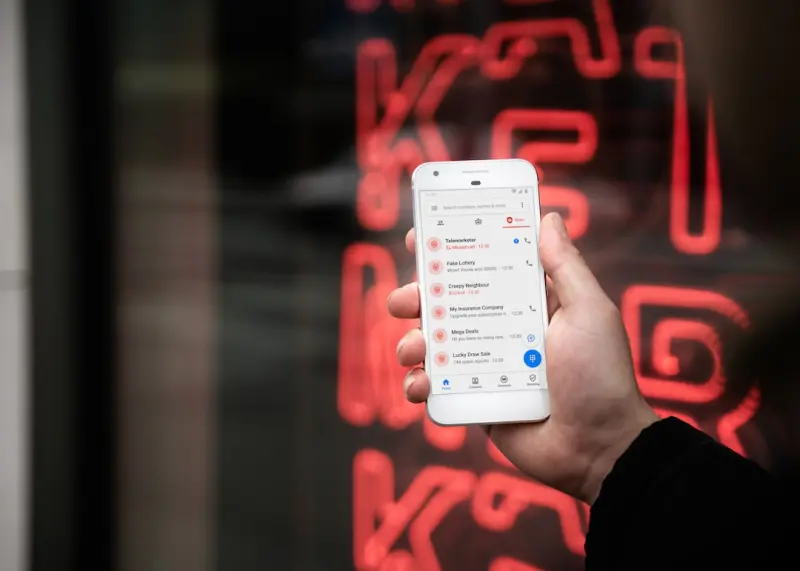
Beyond the Hook: Outsmarting Modern Business Scams
Scams have become a strategic weapon against enterprises, blending AI‑driven deepfakes with sophisticated social engineering. This post breaks down modern sca...Read More

Here's How You Can Save Money by Self-Installing Your Internet the Right Way
In today's fast-paced world, internet connectivity has become an essential part of our daily lives. With the increasing demand for high-speed internet, service ...Read More

The Eco‑Smart Playbook for Managed WordPress Hosting
Learn why sustainable managed WordPress hosting is a strategic advantage, how to evaluate providers, integrate eco‑metrics, and future‑proof your site with ...Read More
0 Comments
Post Comment
You will need to Login or Register to comment on this post!