

Why the Quiet Moments Before the Whistle Matter More Than the Final Score
When I lace up my shoes and step onto the empty field, the world feels like a paused video waiting for a cue. In those seconds, a personal ritual—whether it’s a breath count, a stretch sequence, or a silent mantra—creates a mental corridor that separates the noise of expectation from the focus of performance. Those quiet moments before the whistle become the foundation upon which confidence is built and mistakes are minimized.
From Tribal Dances to Modern Warm‑Ups: The Evolution of Athletic Rituals
Ancient warriors once performed sunrise chants to honor their deities before battle, a practice that mirrored today’s team huddles and pump‑up songs. Over centuries, these collective actions transformed into structured warm‑ups, each movement encoded with cultural meaning and psychological safety. The continuity shows that ritual is not a superstition but a universal language athletes use to claim ownership of the upcoming contest.
The Science Behind the Habit: How Repetition Rewires the Brain
Neuroscientists explain that repeating a specific sequence activates the basal ganglia, the brain region responsible for habit formation, which in turn releases dopamine—a neurochemical boost that sharpens attention and reduces anxiety. When an athlete follows a familiar pre‑game pattern, the brain treats the situation as a known variable, allowing the motor cortex to execute complex skills with less conscious interference. This physiological shortcut is why even the most elite performers cling to seemingly quirky routines.
A Real‑World Example: The Basketball Star Who Taps the Same Spot
Consider the NBA sharpshooter who, before every free throw, taps the paint on the left side of the court exactly three times, pauses, then visualizes the ball swishing through the net. This micro‑action triggers a cascade of sensory cues that align his posture, grip, and breathing, creating a repeatable template for success. When the rhythm is broken, his free‑throw percentage drops, underscoring the tangible impact of ritual on measurable outcomes.
Translating Pro Rituals to the Backyard: Simple Steps for Amateur Players
Even without a stadium’s lights, weekend warriors can craft their own pre‑game habits by identifying three actions that feel grounding and can be performed in under a minute. Start with a consistent warm‑up stretch, add a focused breath count, and finish with a quick visualization of a successful play. By embedding these steps into every practice session, the brain learns to associate the routine with peak performance, turning a casual game into a high‑stakes encounter. For inspiration on building habit loops, check out the guide on creating a stress‑free bedtime ritual and adapt its principles to sport.
The Fan’s Role: How Crowd Chants Become a Shared Ritual
Stadium atmospheres are not merely background noise; they are collective rituals that amplify individual focus through synchronized chanting and coordinated movements. When thousands echo a simple chant, the resulting vibration can raise the home team’s adrenaline, while the opposing side feels the pressure of an unrelenting chorus. This shared energy loop illustrates that ritual extends beyond the athlete, weaving the entire community into the fabric of competition.
Tech‑Enabled Rituals: Wearables That Validate Your Routine
Modern wearables now offer real‑time feedback on heart‑rate variability, muscle activation, and even stress levels, allowing athletes to fine‑tune their pre‑game sequence with data‑backed precision. By reviewing metrics after each session, players can see which ritual components correlate with optimal physiological states and adjust accordingly. Integrating this technology turns an intuitive habit into an evidence‑based protocol, bridging the gap between tradition and innovation.
Looking Ahead: Rituals as the Secret Weapon in a Data‑Driven Era
As analytics dominate strategy meetings and performance dashboards, the human element of ritual remains a potent, low‑cost advantage that resists quantification. Coaches who encourage players to own a personal pre‑game habit may discover a hidden edge that no algorithm can predict. Embracing these time‑honored practices ensures that the spirit of competition stays grounded in the athlete’s mind and heart, not just in the numbers on a screen.
Takeaway: Craft Your Own Pre‑Game Blueprint Today
The next time you step onto a field, court, or track, pause and ask yourself what simple actions can anchor your focus and elevate your confidence. Write down a three‑step routine, practice it consistently, and monitor how your performance shifts over weeks. By making ritual a deliberate part of your preparation, you join a lineage of athletes who trust that the smallest habits often dictate the biggest victories.

Robert Mathews is a professional content marketer and freelancer for many SEO agencies. In his spare time he likes to play video games, get outdoors and enjoy time with his family and friends . Read more about Robert Mathews here:
Related Posts
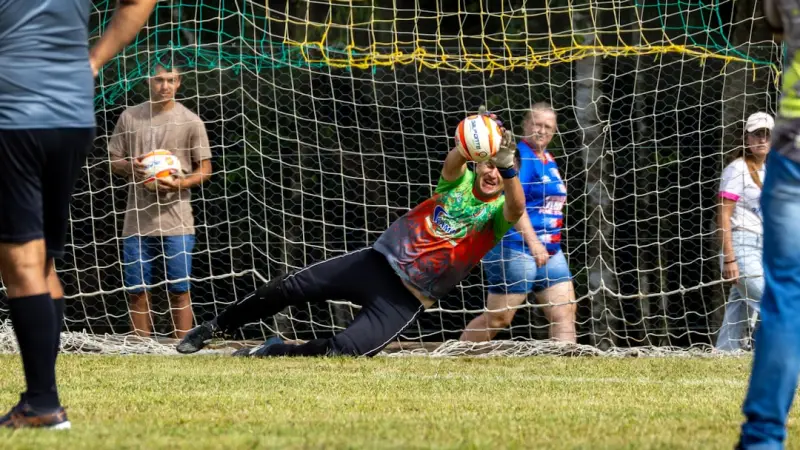
The Rise of Community Sports Leagues: How Local Play Is Rewriting Urban Life
Explore the growing impact of local sports leagues on urban neighborhoods, from mental health benefi... Read More

From Street Courts to Smart Arenas: How Technology Is Rewriting the Playbook
Technology is transforming sports from grassroots courts to major arenas, bringing data-driven coach... Read More

From Couch to 5K: How AI Coaching Is Leveling the Playing Field
AI-powered coaching platforms are revolutionizing weekend warriors by delivering personalized, dataâ... Read More
Top Posts

Solo Night Hiking: Finding Rhythm Under the Stars
Discover how solo night hiking transforms the outdoors into a sensory sanctuary, offering safety tips, star‑guided navigation, and mindful benefits for every ...Read More

Top 10 Garage Door Openers
Garage door openers are an essential part of modern living, providing convenience and security for homeowners. With a wide range of options available, it can be...Read More
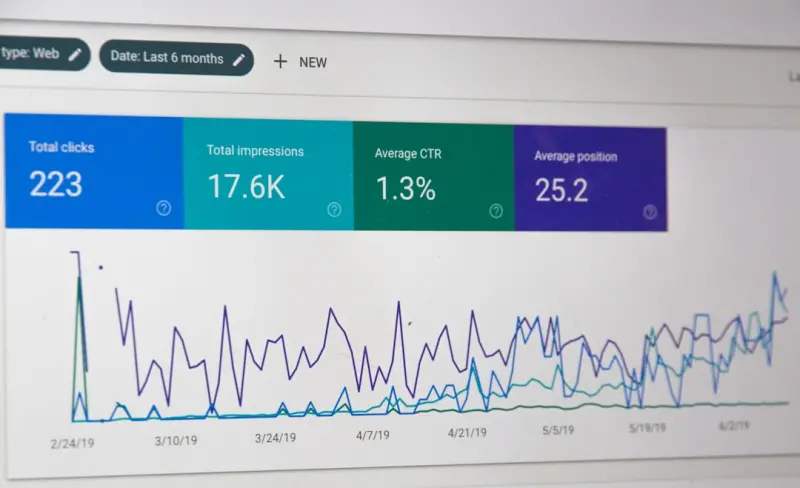
Unlocking Bing’s Hidden Power for B2B SaaS Visibility
Bing isn’t just a backup to Google—its integration with Windows, Edge, and LinkedIn makes it a strategic channel for B2B SaaS. Learn practical steps to opti...Read More

Shared Hosting Reimagined: Power Moves for Modern Web Ventures
Shared hosting can still be a strategic launchpad for SaaS products when paired with smart caching, CDN usage, and layered security, offering speed, low cost, a...Read More
0 Comments
Post Comment
You will need to Login or Register to comment on this post!