

When the boundaries between office and living room dissolve, our minds can feel like they’re stuck in a perpetual conference call—always “on,” always listening, always responding. I’ve spent years watching teams sprint between Zoom rooms, Slack threads, and endless email chains, and what I keep hearing is the same soft, exhausted sigh: “I’m mentally fried.” The solution isn’t a new productivity app or a fancier headset; it’s a deliberate, almost architectural redesign of how we treat our own cognition.
The Myth of the “Always‑On” Mindset
Productivity culture has long celebrated the myth that constant engagement equals higher output. In reality, the brain is a muscle that needs intervals of rest just as a runner needs water breaks. When we ignore those intervals, we don’t become super‑human—we become prone to decision fatigue, anxiety spikes, and a creeping sense of detachment from the work that once felt meaningful.
What’s more, remote work often eliminates the natural “commute” that used to serve as a mental buffer. The walk from desk to kitchen no longer provides the subconscious processing time that a physical transition offers. Without that, our thoughts bounce off each other in a tight, noisy loop, and the brain’s default mode network—responsible for creativity and self‑reflection—gets muted.
Designing Cognitive Space: The Physical‑Digital Balance
The first step toward mental clarity is to treat your workspace like a edge‑first development approach to cognition. In software, edge‑first means pushing processing closer to the user to reduce latency. For the mind, it means placing restorative cues as close as possible to the tasks that consume your attention.
- Micro‑zones of pause. Create a five‑minute “mental hallway” between major tasks. It could be a brief stretch, a glass of water, or a glance out a window. The goal is to reset the brain’s attention circuitry before it gets overloaded.
- Visual contrast. If you work in a sea of white screens, add a splash of color or texture just out of sight—perhaps a plant, a piece of art, or a post‑it with a non‑work related doodle. That visual cue signals your brain to switch modes.
- Digital friction. Introduce tiny intentional delays before checking messages. A two‑second pause to ask, “Do I need this now?” can interrupt the reflexive pull of notifications.
These tiny interventions act like edge‑computing nodes: they process information locally, reducing the load on the central system—your prefrontal cortex.
Micro‑Movement as Mental Micro‑Breaks
Physical movement isn’t just about calories burned; it’s a catalyst for neural resetting. The principle behind micro‑movement mastery is that brief, purposeful motions can trigger a cascade of neurotransmitters that sharpen focus and elevate mood. Think of it as a mental espresso shot—without the crash.
Try the “3‑2‑1” protocol every hour:
- 3 seconds. Sit up straight, roll your shoulders back, and take a deep inhale.
- 2 minutes. Stand, stretch your arms overhead, and walk to the opposite wall.
- 1 minute. Return to your desk, close your eyes, and visualize a simple, pleasant scene—perhaps a beach or a favorite café.
These micro‑breaks don’t need a gym membership; they merely require a willingness to honor a tiny slice of time as sacred. Over weeks, you’ll notice a steadier emotional baseline, fewer afternoon slumps, and a sharper ability to pivot between tasks.
Leveraging Narrative Self‑Compassion
We are natural storytellers. The narratives we tell ourselves about work performance shape our stress response. When a deadline is missed, the inner monologue can spiral into self‑criticism: “I’m incompetent.” That spiral fuels cortisol release, which in turn impairs memory consolidation and decision‑making.
Reframing this narrative is akin to editing a manuscript. Start by externalizing the story:
- Write it down. Jot the exact thought that triggered anxiety.
- Identify the protagonist. Is it “the over‑achiever” or “the perfectionist”?
- Introduce a compassionate narrator. Replace “I’m failing” with “I’m learning.”
This technique, rooted in self‑compassion research, creates a mental buffer that separates identity from performance. Over time, you develop a resilient inner voice that acknowledges setbacks without magnifying them.
Natural Light: An Overlooked Cognitive Ally
While many associate sunlight with physical health, its impact on mental acuity is profound. Exposure to natural light regulates circadian rhythms, which influence alertness, mood, and even the brain’s ability to filter irrelevant information. If you can’t step outside, bring the outdoors in.
Position your monitor near a window, keep blinds open during daylight hours, and consider a “sun‑lit hour” each day where you deliberately work near a source of natural light. The subtle shift in lighting conditions can reduce eye strain, improve dopamine flow, and make the brain’s default mode network more active during downtime.
For a deeper dive into the benefits of light, see the piece on reclaiming natural light for health and performance.
The Power of Structured Daydreaming
Daydreaming is often dismissed as wasted time, yet research shows that purposeful mind‑wandering can boost problem‑solving abilities. The key is structure.
Allocate a 10‑minute “cognitive wander” slot after a focused work sprint. Set a timer, close your eyes, and let your thoughts drift toward a challenge you’re facing. Resist the urge to steer the daydream toward email or social media; instead, let it roam freely. When the timer ends, jot any insights that surfaced.
This practice harnesses the brain’s default mode network in a controlled way, turning what appears to be idle time into a fertile ground for innovative ideas.
Digital Hygiene: Curating the Information Diet
Just as we monitor calories, we should monitor the quality and quantity of digital input. A cluttered inbox or an endless newsfeed can overwhelm the brain’s filtering mechanisms, leading to decision paralysis.
Implement a “digital fasting” schedule:
- Morning cleanse. Skip the first 30 minutes of checking messages. Use this time for a grounding ritual—breathing, stretching, or journaling.
- Afternoon audit. At midday, close all non‑essential tabs and set a “focus window” of 90 minutes with notifications silenced.
- Evening wind‑down. Shut down devices at least an hour before bedtime. Replace screen time with a tactile activity like reading a physical book or sketching.
These boundaries signal to the brain that it can transition into restorative modes, reducing the chronic stress associated with perpetual connectivity.
Community as a Mental Safety Net
Remote work can feel isolating, but human connection is a neurochemical antidote to stress. Regular, low‑stakes check‑ins with teammates—beyond project updates—can replenish oxytocin levels, reinforcing a sense of belonging.
Consider instituting a “mental health huddle” once a week: a 15‑minute video call where the agenda is simply sharing one personal win, one challenge, and one gratitude. No PowerPoints, no KPIs. This ritual builds relational resilience and normalizes conversations about mental well‑being.
Measuring Progress Without Numbers
Many of us are data‑driven, but mental health isn’t easily quantified. Instead of tracking hours slept or steps taken, monitor qualitative markers:
- How often do you feel a genuine sense of curiosity during work?
- Do you notice a reduction in “mental fog” after implementing micro‑breaks?
- Can you recall a recent instance where you responded to a setback with self‑compassion?
Journaling these reflections weekly provides a narrative arc of improvement, reinforcing the positive habits you’re cultivating.
Putting It All Together: A Sample Day Blueprint
Below is a flexible template that weaves these concepts into a typical remote workday:
- 08:30 – Sunrise Setup. Open curtains, sip water, and spend five minutes in a “sun‑lit hour” while reviewing the day’s top three priorities.
- 09:00 – Focus Sprint. 90‑minute deep work block with notifications silenced.
- 10:30 – 3‑2‑1 Micro‑Movement Break. Follow the protocol, then return to work.
- 11:00 – Narrative Check‑In. Briefly journal any self‑critical thoughts and reframe them with compassion.
- 12:00 – Lunch Outside. If possible, eat near a window or take a short walk to reset circadian cues.
- 13:00 – Structured Daydream. 10‑minute timer, focus on a current challenge, capture insights.
- 13:15 – Collaborative Hour. Team meeting or “mental health huddle.”
- 14:30 – Edge‑First Cognitive Reset. Quick visual contrast cue—look at a plant, adjust lighting.
- 15:00 – Focus Sprint. Another deep work period, followed by a micro‑break.
- 16:30 – Digital Audit. Close non‑essential tabs, review inbox, set “do not disturb” for the evening.
- 17:00 – Wind‑Down. Shut down devices, journal wins, gratitude, and any lingering thoughts.
This rhythm is adaptable, but the underlying principle remains: embed intentional pauses, nurture a compassionate inner narrative, and align your environment with the brain’s natural cycles.
Final Thought: Mental Health as an Ongoing Architecture
Think of mental well‑being not as a destination but as a living structure you continually design, test, and refine. Just as a SaaS product evolves through user feedback and iterative releases, your cognitive ecosystem thrives on small, deliberate adjustments. By treating your mind with the same intentionality you give your code—adding edge nodes, micro‑optimizations, and narrative debugging—you create a resilient, high‑performing mental workspace that can weather the inevitable storms of remote work.
Take one of the practices above, experiment with it for a week, and observe the subtle shifts in focus, mood, and creativity. The architecture of a healthy mind isn’t built overnight, but each brick you lay brings you closer to a sustainable, vibrant professional life.

Margaret Thomson is a seasoned freelance writer specializing in the dynamic worlds of marketing and advertising. With a career deeply rooted in the marketing field, Margaret brings a wealth of practical experience and insightful knowledge to her writing.
Related Posts
Mental Health in the Digital Age: A Complex Landscape
Mental health in the digital age is a complex issue. Learn how to navigate the challenges and opport... Read More

Neurodiversity and Mental Wellness: Redesigning the Workplace for Every Mind
A deep dive into how neurodiverse talent can flourish when workplaces adopt sensory‑friendly space... Read More

Why Storytelling is the Missing Link in Workplace Mental Health
A fresh look at mental health in the office, this post explains how storytelling can build empathy, ... Read More
Top Posts
Dedicated Hosting: The Strategic Backbone for AI‑Ready SaaS Platforms
Dedicated hosting provides the predictable performance, low latency, and security needed for AI‑centric SaaS platforms, enabling cost‑effective scaling and ...Read More

Managed WordPress Hosting: The Headless Catalyst for B2B SaaS Growth
Managed WordPress hosting provides the edge‑first performance, security, and operational simplicity needed to turn WordPress into a powerful headless CMS, acc...Read More

8 Gmail Plugins to Supercharge Your Inbox
Email has become an indispensable part of our daily lives, and Gmail is one of the most popular email services used worldwide. However, with the sheer volume of...Read More
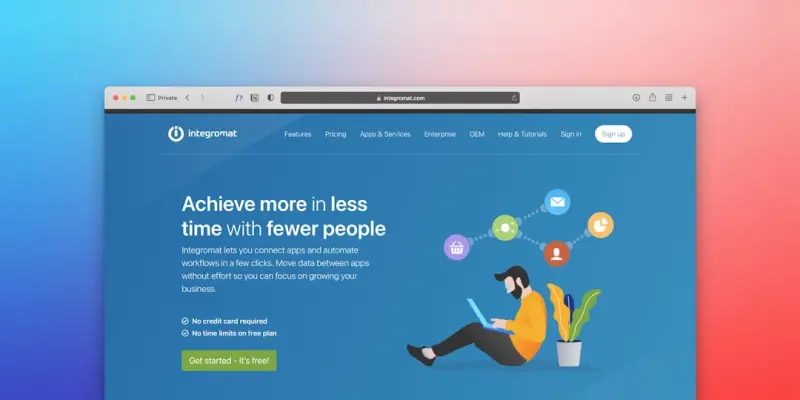
Shared Hosting Secrets: How to Grow Your Site Without Breaking the Bank
Learn how to select, protect, and scale a shared hosting plan for your growing website, using real‑world experience and sustainable choices....Read More
0 Comments
Post Comment
You will need to Login or Register to comment on this post!