

Why Speed Has Become Our Social Currency
Living in a world that rewards rapid responses, I’ve watched society morph into a perpetual sprint, where the ability to act fast is often mistaken for the ability to think deeply. Speed is no longer just a technological advantage; it has seeped into our conversations, relationships, and even our civic engagement, reshaping how we measure success and value. As I walk through bustling city streets, I notice the hurried glances, the flash‑sale alerts, the constant buzz of notifications that dictate the rhythm of our daily lives, and I can’t help but wonder what we lose when everything is compressed into a sprint.
The Sprint Mindset: A Double‑Edged Sword
Adopting a sprint mindset can feel exhilarating, promising instant gratification and a sense of control over an otherwise chaotic world, yet it also imposes a relentless pressure that can erode patience and nuance. I often reflect on how this mentality has infiltrated public discourse, turning complex policy debates into 280‑character soundbites, a trend explored in Why the Sprint Mindset Is Reshaping Modern Politics, where speed eclipses deliberation. While the sprint approach fuels innovation and keeps us agile, it can also create a culture of burnout, where the line between efficiency and exhaustion blurs, leaving many of us questioning whether we are truly moving forward or simply running in circles.
Relationships in the Age of Acceleration
Our personal connections are not immune to the sprint culture; the same urgency that drives corporate deadlines now dictates how we nurture friendships and romantic bonds. In a world where a “quick check‑in” is often a hastily typed emoji, depth can feel like a luxury, and the art of listening is replaced by the art of replying fast. I recently read How a Sprint Mindset Can Supercharge Your Relationships, which argues that when we consciously apply sprint principles—focused bursts of attention followed by intentional rest—we can actually strengthen ties, turning speed into a tool for deeper engagement rather than superficial interaction.
Workplaces Reimagined: From Marathon to Sprint
Corporate structures are undergoing a seismic shift, abandoning the old marathon model for short, high‑intensity sprints that promise rapid product releases and quick market wins. This transformation aligns with the rise of agile methodologies, where teams iterate in two‑week cycles, constantly delivering value while resetting priorities. Yet, the relentless cadence can leave employees feeling like they’re perpetually on a treadmill, chasing deadlines without a clear finish line, prompting questions about sustainable productivity and long‑term career fulfillment.
Urban Life: Cities Built for the Fast Lane
Our urban environments now mirror the sprint ethos: hyper‑efficient transit systems, micro‑apartments designed for swift turnover, and public spaces engineered for quick consumption rather than lingering. The design of a city, from its bike lanes to its pop‑up cafés, reflects a collective desire to maximize every minute, often at the expense of communal rituals that once defined neighborhoods. As I stroll through a downtown plaza, I notice the absence of lingering conversations, replaced by people checking their watches and moving on, a subtle but powerful indicator of how speed reshapes communal identity.
The Cultural Narrative: Speed as Status
In media and popular culture, speed has become a badge of honor, with influencers showcasing “fast‑track” lifestyles that glorify hustle and perpetual motion. This narrative fuels a social hierarchy where those who can keep up are celebrated, while those who pause are labeled as lagging behind. I find myself questioning whether this glorification serves a deeper purpose beyond marketing, and whether it inadvertently marginalizes those who value contemplation, craftsmanship, and the slower rhythms of life.
Education in the Fast‑Forward Era
Schools and universities are increasingly adopting sprint‑like frameworks, offering micro‑credentials, bootcamps, and intensive workshops that promise mastery in weeks rather than years. While these programs democratize learning and respond to market demands, they also risk reducing education to a series of checklists, stripping away the reflective depth that traditional curricula nurture. The challenge lies in balancing rapid skill acquisition with the cultivation of critical thinking, ensuring that learners are not just fast, but also thoughtful.
Environmental Implications of a Sprint Society
The push for speed extends to consumption patterns, encouraging a throw‑away culture where products are designed for quick turnover rather than longevity. This relentless churn amplifies waste and strains planetary resources, creating a paradox where the very speed that fuels economic growth also accelerates environmental decline. Recognizing this, some forward‑thinking brands are re‑imagining sprint principles to prioritize sustainable cycles, proving that speed can coexist with responsibility when intentionally designed.
Finding Balance: Crafting a Sustainable Sprint
To thrive in a sprint‑dominated world, we must learn to embed intentional pauses within our high‑velocity routines, treating rest as a strategic component rather than an afterthought. I practice this by scheduling “sprint‑breaks” in my calendar—short, focused periods dedicated to mindfulness, reading, or simply breathing—allowing me to reset mental bandwidth before the next burst of activity. This balanced approach transforms the sprint mindset from a relentless treadmill into a rhythmic dance, where speed and stillness complement rather than compete.
Looking Ahead: Re‑defining Success in a Fast World
As society continues to chase the next fast fix, the true measure of progress may shift from how quickly we move to how meaningfully we navigate each sprint. By redefining success to include depth, resilience, and intentionality, we can harness the benefits of speed without surrendering our humanity. The sprint mindset, when wielded with awareness, can become a catalyst for purposeful living—propelling us forward while keeping us grounded in the moments that truly matter.

Margaret Thomson is a seasoned freelance writer specializing in the dynamic worlds of marketing and advertising. With a career deeply rooted in the marketing field, Margaret brings a wealth of practical experience and insightful knowledge to her writing.
Related Posts
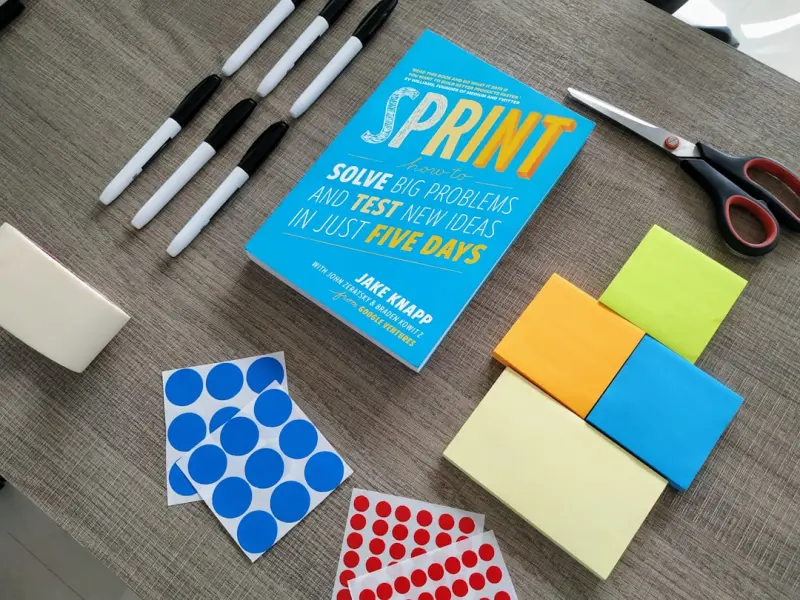
The Sprint Culture Revolution: How Speed Shapes Modern Society
A deep dive into how our obsession with speed influences politics, work, home life, and even our pet... Read More

The Quiet Revolution: Reclaiming Authenticity and Connection in a Noisy World
In a world of digital overload and constant performance pressure, Steph Sanderson delves into the qu... Read More

Cannabis and Teens: How Parental Use Influences Adolescent Attitudes
A recent study from Washington State University, published in the Journal of Child and Family Studie... Read More
Top Posts

The Scariest Online Threats And How to Protect Your Privacy
The internet, a marvel of connectivity and information, also casts a long shadow of pervasive threats. What began as a revolutionary tool for communication and ...Read More

The Future of Web Design: Trends and Insights
The world of web design is constantly evolving. Learn about the latest trends and insights that are shaping the future of digital experiences, from minimalism t...Read More

Why you should get a Doorbell Cam
In an increasingly connected world, where convenience and security are paramount, the concept of home protection has evolved dramatically beyond traditional loc...Read More

The Ultimate Guide to the Best Alternative Phones for Tweens
The decision to give a child their first phone marks a major milestone—and a significant source of anxiety for parents. In a world dominated by social media a...Read More
0 Comments
Post Comment
You will need to Login or Register to comment on this post!