
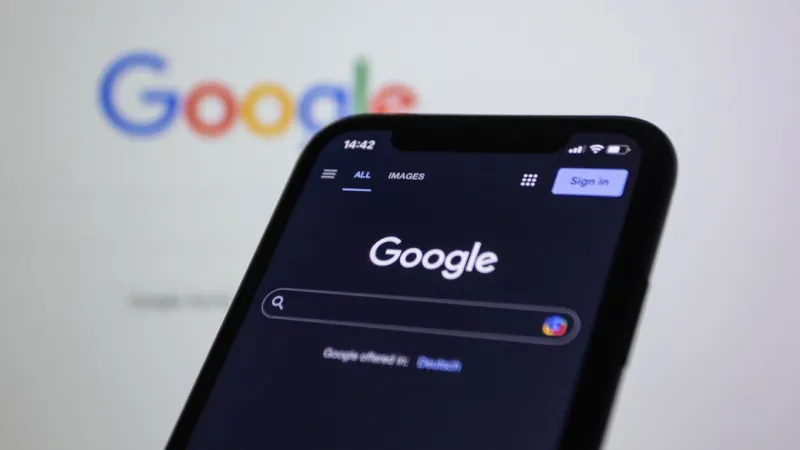
As a seasoned veteran in the ever-evolving world of digital marketing, I can tell you that few landscapes shift as rapidly as Google SEO. Just when you think you've got it figured out, Google rolls out another update, nudging us all to think differently, to innovate, and most importantly, to prioritize the user above all else. What worked last year, or even last quarter, might be a recipe for stagnation today. So, let’s dive into what’s trending in Google SEO right now and how we, as content creators and strategists, can not only keep pace but truly thrive.
The Human-First Imperative: E-E-A-T and Helpful Content
If there’s one overarching theme that Google has consistently emphasized in recent years, it's the profound importance of human-centric content. This isn't just about avoiding keyword stuffing anymore; it's about genuinely serving your audience. Two key pillars underscore this philosophy: E-E-A-T and the Helpful Content System.
Decoding E-E-A-T: Experience, Expertise, Authoritativeness, and Trustworthiness
E-E-A-T, which stands for Experience, Expertise, Authoritativeness, and Trustworthiness, isn't a new concept, but its significance has amplified dramatically. Google wants to ensure that the content it serves users comes from credible sources. Think about it: if you're searching for medical advice or financial planning, you want information from a qualified professional, not just anyone who can string together a few sentences. The addition of "Experience" in late 2022 was a critical refinement, acknowledging that firsthand knowledge is just as valuable as formal qualifications.
- Experience: Have you actually used the product you're reviewing? Visited the place you're describing? Lived through the process you're explaining? Sharing real-world experience adds a layer of authenticity that AI-generated content struggles to replicate.
- Expertise: Do you possess the necessary skills or knowledge in a particular field? This can be formal qualifications, but also demonstrated skill through consistent, high-quality output.
- Authoritativeness: Are you, or your site, recognized as a go-to source for information on your chosen topic? This is built over time through citations, mentions, and links from other reputable sources.
- Trustworthiness: Is your content accurate, honest, and safe? Do you have clear contact information, a privacy policy, and transparent editorial guidelines? Trust is the bedrock upon which all other E-E-A-T factors are built.
To succeed, we must actively demonstrate these qualities in everything we publish. It's not enough to simply *be* an expert; you must *show* it. This means detailed author bios, clear editorial processes, linking to reputable sources, and crafting content that leaves no doubt about your genuine understanding of the subject matter.
The Helpful Content System: Prioritizing People Over Search Engines
Running in parallel with E-E-A-T is Google's Helpful Content System. Introduced in 2022 and continuously refined, this system aims to identify and reward content that is genuinely helpful to people, rather than content created primarily for search engine rankings. It’s a profound shift that punishes content perceived as "unhelpful" – often characterized by being superficial, repetitive, or poorly researched, created simply to cast a wide net for keywords.
So, how do we create genuinely helpful content? It starts with deeply understanding your audience's needs and search intent. What questions are they truly asking? What problems are they trying to solve? Your content should provide comprehensive, satisfying answers that go beyond surface-level information. Focus on adding unique value, offering fresh perspectives, or synthesizing complex information in an easily digestible way. Remember, Google is watching for content that feels like it was written *for* people, not *by* a robot attempting to please an algorithm.
For more insights into navigating this ever-changing landscape, I highly recommend exploring discussions around Mastering the Evolving Landscape of Search Engine Marketing: Strategies for 2024 and Beyond. It provides a broader context that perfectly complements the focus on human-first content.
Navigating the AI Horizon: SGE and Content Creation
It's impossible to discuss trending SEO without addressing the elephant in the room: Artificial Intelligence. Google itself is heavily investing in AI, most notably with its Search Generative Experience (SGE), which is now often referred to as AI Overviews. This seismic shift is reshaping how users interact with search results and, consequently, how we need to approach SEO.
Google's Embrace of AI: Search Generative Experience (SGE) / AI Overviews
SGE, or AI Overviews, fundamentally changes the search results page. Instead of just a list of blue links, Google often provides an AI-generated summary at the top, drawing information from multiple sources on the web. This means that for many queries, users might get their answer directly from Google's AI, potentially reducing clicks to traditional organic listings. While it's still evolving, it highlights Google's commitment to providing direct, concise answers, often curated through AI.
What does this mean for us? Our content needs to be even more precise, authoritative, and factually robust. Google's AI will likely favor well-structured content that clearly answers specific questions. Furthermore, being cited as a source within an AI Overview becomes a new form of visibility, emphasizing the importance of E-E-A-T and being a trusted authority in your niche.
The Role of AI in Content Creation for SEO
AI tools like ChatGPT have revolutionized content creation, offering unprecedented speed and efficiency. They can assist with brainstorming, outlining, drafting, and even optimizing content. However, this power comes with a caveat: Google has repeatedly stated its stance on AI-generated content. They don't inherently penalize it, but they *do* penalize unhelpful, low-quality content, regardless of whether it was created by a human or AI.
My advice? Embrace AI as a powerful assistant, not a replacement for human intellect and creativity. Use it to generate ideas, overcome writer's block, or rephrase sentences. But always, *always* apply a human touch. Fact-check everything, infuse your unique voice and perspective, and add the critical nuances and empathy that only a human can provide. Think of AI as a bicycle; it helps you go faster, but you still need to pedal and steer. If you're interested in leveraging AI effectively, I've shared some thoughts in ChatGPT Unleashed: My Guide to Mastering the AI Revolution that might resonate with you.
Distinguishing AI-Generated Content from Human Expertise
The challenge now isn't just creating content, but creating content that unmistakably showcases human insight and originality. Google's algorithms are becoming increasingly sophisticated at identifying patterns characteristic of AI-generated text, especially when it lacks depth, unique analysis, or personal experience. The more your content reflects genuine understanding, critical thinking, and a distinct perspective, the more likely it is to stand out and resonate with both users and search engines.
Technical SEO Still Matters: The Unseen Foundation
While content quality and user intent dominate the headlines, it's crucial not to neglect the foundational elements of technical SEO. These are the unsung heroes that ensure Google can effectively crawl, index, and understand your content. Without a solid technical base, even the most brilliant content might struggle to gain visibility.
Core Web Vitals and Page Experience: A Quick Reminder
Core Web Vitals (CWV) — Largest Contentful Paint (LCP), First Input Delay (FID), and Cumulative Layout Shift (CLS) — remain essential components of Google's Page Experience signals. These metrics measure real-world user experience aspects like loading performance, interactivity, and visual stability. While the impact of CWV on rankings might be subtle in isolation, a poor page experience can certainly hinder your SEO efforts, especially on competitive queries. Ensure your site loads quickly, responds smoothly, and doesn't surprise users with sudden layout shifts. A fast, stable, and responsive site is a user-friendly site, and user-friendliness is always an SEO win.
Structured Data: Helping Google Understand Your Content
Structured data, implemented via Schema.org vocabulary, is like providing a direct instruction manual to Google about your content. It helps search engines understand the context and relationships of the information on your page. Whether it's marking up your articles, products, reviews, or local business details, structured data can enable rich results (e.g., star ratings, images, FAQs directly in search results) that significantly boost visibility and click-through rates. It doesn't guarantee a ranking boost, but it certainly enhances how your content is presented and understood.
Mobile-First: It's Not New, But It's Non-Negotiable
Google officially shifted to mobile-first indexing years ago, meaning the mobile version of your website is now the primary one Google uses for indexing and ranking. If your site isn't fully responsive, fast, and user-friendly on mobile devices, you're at a significant disadvantage. Test your site thoroughly on various mobile devices and ensure that all content, internal links, and calls to action are easily accessible and functional. This isn't a trend; it's the standard.
Beyond Keywords: Building Topical Authority
The days of simply scattering keywords throughout your content and hoping for the best are long gone. Modern SEO demands a more sophisticated approach: building topical authority. This means establishing your website as a comprehensive, trustworthy resource for an entire subject area, rather than just ranking for individual keywords.
Moving from Keyword Stuffing to Comprehensive Topical Coverage
Instead of creating a separate, often superficial, article for every minor keyword variation, focus on creating deep, authoritative pieces that cover a topic comprehensively. Identify the core topics relevant to your niche and then develop a content strategy that explores every facet of that topic. This demonstrates to Google that you truly understand the subject matter and can provide exhaustive answers to a user's potential queries.
For example, instead of writing "best running shoes for flat feet," "running shoes for pronation," and "running shoes for arch support" as separate, thin articles, you might create one expansive guide on "Choosing the Right Running Shoes for Your Foot Type," with detailed sections addressing flat feet, pronation, arch support, and other related factors. This comprehensive approach builds stronger topical authority.
Content Clusters and Internal Linking Strategies
To support topical authority, implement a content cluster strategy. This involves creating a "pillar page" that broadly covers a core topic, and then numerous "cluster content" articles that delve into specific sub-topics in detail. These cluster articles should all link back to the pillar page, and the pillar page should link out to the relevant cluster articles. This robust internal linking structure helps Google understand the relationship between your content pieces and reinforces your authority on the overarching topic.
Strong internal linking also improves user experience by guiding readers through related content, increasing time on site, and reducing bounce rates – all positive signals for SEO.
My Takeaways: Staying Agile in SEO
The pace of change in SEO can feel relentless, but I find it exhilarating. It pushes us to be better, more creative, and more user-focused. Here are my essential takeaways for staying agile and effective in this dynamic environment:
- Continuous Learning and Testing: Never assume you know it all. Google’s algorithms are always evolving. Dedicate time each week to read industry news, study algorithm updates, and run your own tests. What works for one site might not work for another, so validate strategies for your specific context.
- Focus on the User, Always: This is the golden rule. Every change Google makes, every update they roll out, ultimately aims to serve the user better. If you consistently create content that genuinely helps, informs, and engages your audience, you will naturally align with Google’s objectives.
- The Future is About Quality, Trust, and Adaptability: Low-effort, mass-produced content has an increasingly short shelf life. Invest in high-quality, deeply researched, and uniquely valuable content. Build trust with your audience through transparency and accuracy. And finally, be adaptable. What’s trending today might be baseline tomorrow.
Conclusion: Embrace the Change, Commit to Excellence
The journey through Google SEO is less about chasing algorithms and more about building a valuable, trustworthy resource for your audience. By focusing on E-E-A-T, creating truly helpful content, smartly integrating AI as a tool, maintaining a strong technical foundation, and developing robust topical authority, you're not just optimizing for Google; you're building a sustainable, impactful online presence. Embrace the changes, commit to excellence, and watch your efforts flourish.

Lauren Miller is a true outdoors enthusiast who has found her passion in the trades. When she's not working hard on the job, you can find her writing, camping, fishing, and exploring all that nature has to offer. A dedicated partner to her wife Beth, Lauren loves nothing more than spending quality time together and experiencing the great outdoors side by side.
Related Posts

Beyond Keywords: Harnessing Entity SEO for Sustainable Traffic
This article explains why focusing on entities—distinct concepts Google recognizes—outperforms t... Read More
Google SEO 2024: Strategies from Karen Edwards
Karen Edwards shares daring 2024 SEO tactics—from AI-driven content to video and local optimizatio... Read More
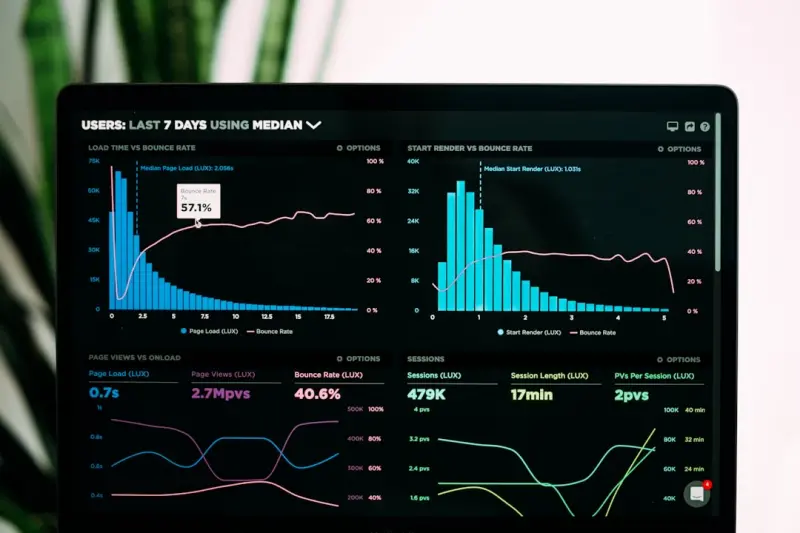
Structured Data and Intent Clusters: A New SEO Playbook for SaaS Brands
Discover a fresh SEO strategy for SaaS: use intent clusters and schema markup to create content hubs... Read More
Top Posts

Branding Like a Rebel: Melanie Wilson’s Playbook for 2024
Melanie Wilson reveals how to brand with rebellion in 2024—mix authentic storytelling, sustainable practices, and AI insights to build a tribe that champions ...Read More
TikTok’s New Role in Skill Sharing & Micro‑Learning
Discover how TikTok is turning short videos into micro‑learning experiences, letting creators teach skills and audiences master new hobbies—all while keepin...Read More
The Hidden Growth Engine: Harnessing Social Audio for B2B SaaS Success
Social audio is reshaping B2B marketing by offering real‑time, conversational experiences that convert listeners into qualified leads. Learn the step‑by‑s...Read More

Rethinking Screen Time: A Parent’s Playbook for Digital Balance
A practical guide for parents on how to create a balanced digital diet for kids and teens, turning screen time into learning opportunities while setting healthy...Read More
0 Comments
Post Comment
You will need to Login or Register to comment on this post!