

When you stare at the endless list of “must‑have” skills on a job board, it’s easy to feel like you’re trying to catch a train that’s already left the station. The truth? Careers aren’t a single, straight‑line commute—they’re a series of intentional transfers, layovers, and sometimes, surprise detours that can turn a mundane routine into a thrilling adventure. In this post I’ll share a framework I’ve been testing for the past few years: treating your professional life as a curated portfolio of micro‑projects, each designed to expand your influence, deepen your expertise, and keep you future‑proof in a world that moves faster than any annual performance review.
Why the Traditional “Climbing the Ladder” Model Is Crumbling
The classic corporate ladder was built for an era when roles were static, companies stayed in one place for decades, and promotions followed a predictable cadence. Today, three forces are eroding that model:
- Hyper‑specialization: Organizations need niche talent that can solve ultra‑specific problems, and they often hire on a project‑by‑project basis.
- Fluid workforce dynamics: Remote work, gig platforms, and internal mobility programs have created a talent pool that’s constantly shifting.
- Technology acceleration: New tools—especially AI‑driven platforms—are redefining what “expertise” looks like on a day‑to‑day basis.
Instead of waiting for the next rung to appear, you can create your own upward momentum by assembling a series of purpose‑driven, high‑visibility projects. Think of each project as a “career sprint” that lasts anywhere from a few weeks to a few months. When you finish, you’ll have a tangible outcome, a new skill, and a story to share at your next review or networking event.
Step 1: Map Your Core Narrative
Before you dive into micro‑projects, take a step back and ask: What do I want my professional story to say? Your narrative isn’t just a résumé bullet list; it’s the thread that weaves together every decision you make. Write a one‑sentence “career mission” that captures the impact you want to have. For example:
- “I help SaaS companies turn data into proactive customer relationships.”
- “I build frictionless digital experiences that let teams focus on creativity, not admin.”
This mission will become your filter. When you evaluate a potential micro‑project, ask: “Does this move the needle on my narrative?” If the answer is no, move on. This disciplined approach prevents you from scattering your energy across unrelated tasks.
Step 2: Identify High‑Leverage Micro‑Projects
High‑leverage projects share three characteristics:
- Visibility: Stakeholders across the organization can see the outcome.
- Skill Stretch: The work pushes you just beyond your comfort zone.
- Strategic Alignment: The project ties directly into a broader business goal.
Here’s a quick way to surface ideas:
- Scan recent product releases or internal newsletters for gaps you could fill.
- Listen for pain points in cross‑functional meetings—often the most valuable opportunities hide in plain sight.
- Leverage internal platforms that surface “quick‑win” initiatives (think hack‑days, internal incubators, or innovation sprints).
For instance, a colleague might be struggling to onboard new hires remotely. You could design a concise, interactive onboarding kit that reduces ramp‑up time by 30 %. That’s a project that hits visibility (HR and new hires see the benefit), skill stretch (you’ll learn instructional design), and strategic alignment (accelerated time‑to‑productivity is a company priority).
Step 3: Secure Executive Sponsorship Quickly
Even the most exciting micro‑project can stall without a champion. Approach a senior leader with a two‑minute pitch that includes:
- A clear problem statement.
- The expected impact (preferably quantified).
- The resources you need (time, tools, maybe a budget).
- How the project aligns with the leader’s own objectives.
Because you’re proposing a short‑term, low‑risk initiative, most leaders will be willing to give you a green light. Once you have that endorsement, you’ll find doors opening—people will respond faster to your requests, and you’ll gain the credibility to showcase your results.
Step 4: Execute Like a Mini‑Startup
Treat each micro‑project as a startup within the larger organization. Adopt an agile mindset: set a clear goal, break it into weekly sprints, and hold a brief stand‑up with any collaborators. Document every decision, because that documentation becomes part of your professional portfolio.
When you wrap up, create a concise deliverable package:
- A one‑page impact summary with metrics.
- A short demo video or walkthrough.
- A reflection on lessons learned and next steps.
Share this package not only with your sponsor but also with your broader network. Post a summary on the internal knowledge base, write a brief blog post for the company intranet, or even share a highlight on LinkedIn. The more you surface the outcome, the more you cement yourself as a go‑to problem solver.
Step 5: Convert Projects Into Permanent Career Capital
Each completed micro‑project adds a distinct asset to your career capital:
- Skill Credibility: You now have a proven ability in a new domain.
- Network Expansion: You collaborated with people you might not have met otherwise.
- Visibility Amplification: Leaders recall your name when similar challenges arise.
When performance reviews roll around, you can reference these assets directly, turning what used to be “extra‑curricular” work into core evaluation criteria. In fact, many forward‑thinking firms are already restructuring their review processes to reward project‑based contributions—so you’re speaking their language.
Step 6: Leverage Modern Talent Channels
While you’re building your internal portfolio, keep an eye on the external talent landscape. Companies are increasingly scouting for talent in places you might not expect. For example, the rise of short‑form video as a recruiting tool shows that modern talent scouting on TikTok is no longer a gimmick—it’s a viable pipeline for creative professionals.
If you can translate a micro‑project into a 30‑second showcase clip, you not only reinforce your internal brand but also position yourself for opportunities outside your current organization. The key is to keep the story concise, focus on impact, and end with a call‑to‑action (e.g., “Check out the full case study on our internal site”).
Step 7: Build a Lasting Professional Imprint
All of these micro‑projects together form a living, breathing archive of your work. Treat this archive as a personal knowledge base that you can curate, update, and share over time. In the same way that a company thinks about building a lasting professional imprint, you should be intentional about the digital footprint you leave behind.
Consider creating a private portfolio site or a well‑structured LinkedIn “Featured” section where each project is highlighted with metrics, testimonials, and visual assets. This not only helps recruiters see the full scope of your capabilities but also gives you a ready‑made showcase for future negotiations, promotions, or side‑gig pitches.
Putting It All Together: Your Career as a Dynamic Portfolio
Let’s recap the workflow:
- Define a clear, compelling career narrative.
- Spot high‑leverage micro‑projects that align with that narrative.
- Secure a sponsor to give you the green light and resources.
- Execute using agile, startup‑style tactics.
- Package the results into a shareable deliverable.
- Translate the outcomes into career capital for reviews and promotions.
- Amplify your work through modern talent channels and a curated digital archive.
By treating each micro‑project as a building block, you transform the career ladder into a lattice of possibilities—one that you can climb, pivot, or even redesign at will. The result? A future‑proof professional trajectory that feels less like a race and more like a series of purposeful, energizing sprints.
Ready to start your first micro‑project? Identify a friction point in your current team, draft a two‑minute pitch for a sponsor, and set a 30‑day timeline. When you close the loop, you’ll have a fresh story to tell, a new skill on your résumé, and a stronger voice in the conversation about where you’re headed next.

Freelance writer with a flare for everything. I am passionate about topics I write crafting stories and compelling content that connect with audiences. Journeying through the realms of creativity as a freelance creator. #WriterLife #ContentCreator
Related Posts
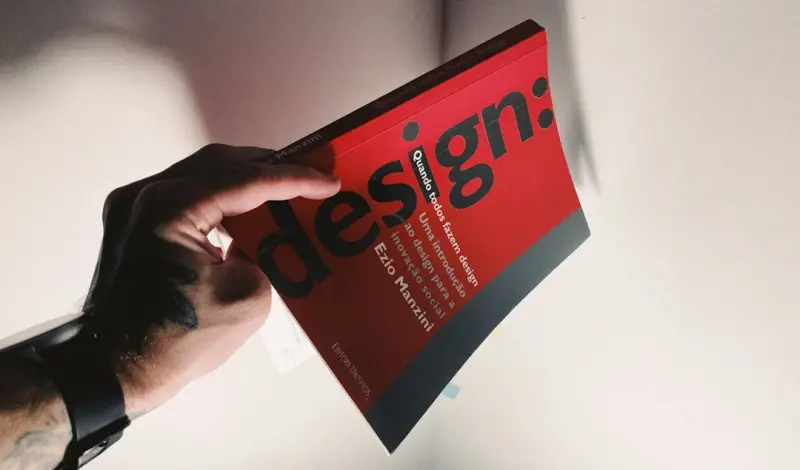
Designing a Modular Career Path for a Dynamic Future
A modular career treats skills, roles, and networks as interchangeable components, giving profession... Read More
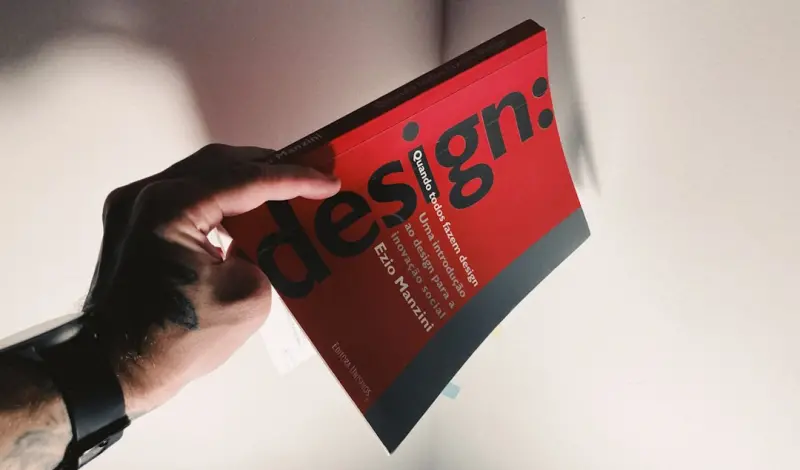
Designing a Career That Evolves with the Pace of Innovation
Treat your professional growth like a startup lab: adopt minimum viable skills, use short‑form vid... Read More

Navigating the Modern Career Landscape: Thriving in a World of Constant Change
The modern career landscape is ever-changing. This article offers an expert guide to thriving amidst... Read More
Top Posts
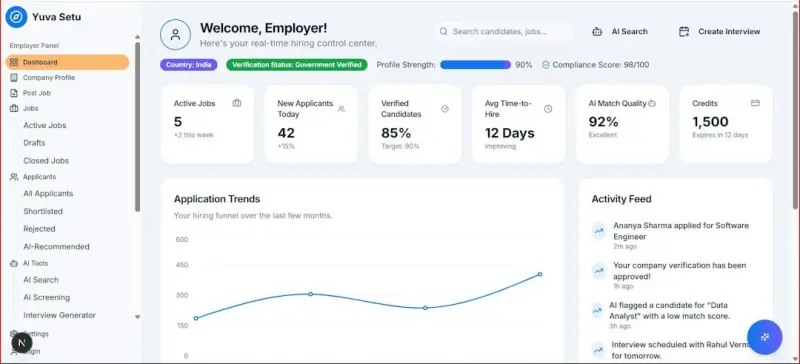
The Untapped Business Value of SaaS Plugin Marketplaces
A plugin marketplace can be a strategic growth engine, boosting network effects, customer stickiness, and innovation. Learn how to design, monetize, and govern ...Read More

When AI Becomes the Con Artist: New Frontiers in SaaS Scams
AI‑crafted deepfakes, fake research reports, and automated webinar farms are the latest scam weapons targeting SaaS executives. This post reveals the tactics,...Read More

Modular Footwear: Swapping Style, Comfort, and Sustainability in One Step
Modular footwear lets you mix and match shoe components for style, comfort, and sustainability, offering a versatile solution for the modern, eco‑aware consum...Read More
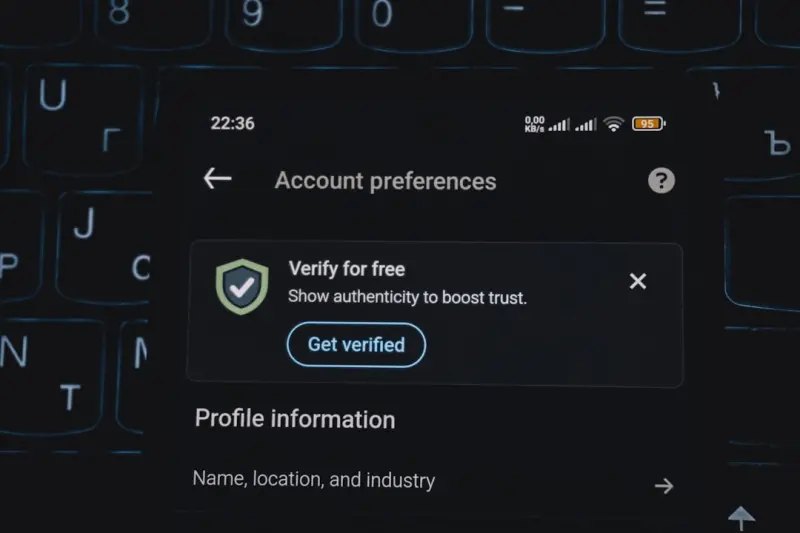
Adaptive Authentication: Turning Trust into a Living System
Adaptive authentication transforms static login checks into a dynamic, risk‑aware dialogue, blending AI-driven signals with human‑centric design to secure S...Read More
0 Comments
Post Comment
You will need to Login or Register to comment on this post!