
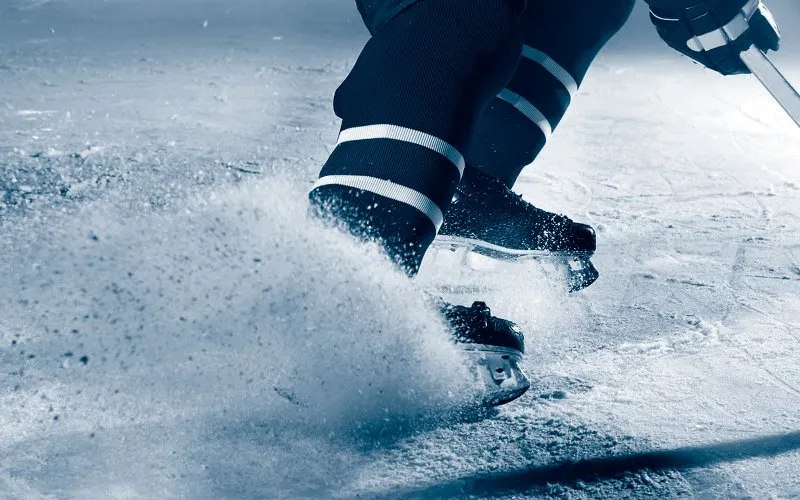
Youth hockey is a thrilling symphony of speed, skill, and teamwork. It’s a sport that builds character, fosters discipline, and creates lifelong friendships. For parents and guardians, watching a child glide across the ice, empowered and joyful, is an incredibly rewarding experience. However, this fast-paced, physical game is played on a hard surface, surrounded by unforgiving boards, and involves a hard rubber puck traveling at significant speeds. Consequently, the foundation of this enjoyment must be an uncompromising commitment to safety.
The right equipment is not merely a set of accessories; it is a critical shield that protects young athletes from preventable injuries, allowing them to play with confidence and focus on developing their love for the game. This guide details the essential safety equipment for youth hockey, explaining not just the "what," but the "why" and "how" behind each vital piece.
1. The Foundation: A Certified Hockey Helmet with Cage or Shield
The helmet is the single most important piece of safety equipment. It is the primary defense against concussions and catastrophic head injuries.
- Certification is Non-Negotiable: Never purchase a helmet without verifying its certification. Look for a stamp from either the HECC (Hockey Equipment Certification Council) or the CSA (Canadian Standards Association). These certifications mean the helmet has passed rigorous impact absorption tests. Helmets should be replaced every five years or immediately after a significant impact, as the protective foam liner can degrade over time and with use.
- The Full-Face Protection Mandate: For all players under the age of 18 (and strongly recommended for all ages), a full-face shield or cage is mandatory. The eyes and teeth are exceptionally vulnerable. A puck, stick, or errant skate can cause life-altering injuries in a split second. A cage offers superior durability and unrestricted airflow, while a full shield provides a wider field of vision and protects against elements like snow spray. Whichever you choose, ensure it is specifically designed for hockey and is securely attached to the certified helmet. There is no acceptable scenario for a child to play hockey without a certified helmet and full facial protection.
2. Upper Body Fortification: Shoulder Pads, Elbow Pads, and Gloves
The upper body is a frequent point of contact with the ice, boards, other players, and the puck.
- Shoulder Pads: These do more than protect against checks. They consist of a hard plastic shell over shock-absorbing foam to distribute impact force across the chest, shoulders, collarbones, and upper back. A proper fit is crucial; pads should be snug but not restrictive, allowing for a full range of motion. The cap should sit squarely on the shoulder without sliding.
- Elbow Pads: Falling on the ice is a natural part of learning hockey. Elbow pads protect the elbow joint and the surrounding forearm from painful contusions, fractures, and nerve damage. Look for pads with a hard plastic cap for the elbow bone, ample padding along the forearm, and secure straps that keep the pad firmly in place during movement.
- Gloves: Hockey gloves protect the hands and wrists from slashes, puck impacts, and falls. They allow for dexterity to handle the stick while offering robust protection. The gloves should extend to cover the wrist bone and the cuff should overlap with the elbow pad, leaving no gap in protection.
3. Lower Body Defense: Padded Shorts, Athletic Supporter, and Shin Guards
The core and legs are the engine of a hockey player and require comprehensive protection.
- Hockey Pants (Breezers): These are not simple sweatpants. Modern hockey pants are engineered with a system of segmented padding that protects the tailbone, hips, thighs, and kidneys from falls and impacts. They should fit comfortably over the player’s base layer and extend down the thigh to overlap with the top of the shin guard.
- Protective Supporter/Jock: For male players, a hard plastic pelvic protector (a "cup") worn inside a supportive jockstrap is essential. For female players, a "jill" offers similar protection for the pelvic bone and tailbone. This piece is absolutely critical for preventing severe, potentially life-altering injuries from puck or stick impacts.
- Shin Guards: The shins are a magnet for puck shots and stick blades. Shin guards must cover from just below the knee to the top of the skate boot. A well-fitted guard will have a hard plastic outer shell, dense foam padding, and a knee cap that aligns perfectly with the player’s knee joint. The guard must be secured with tape or a sleeve to prevent it from shifting during play.
4. The Critical Extremities: Skates, Mouthguard, and Neck Guard
Often overlooked, these items protect some of the most vulnerable areas on the body.
- Properly Fitted Skates: Ill-fitting skates are a primary cause of foot pain, blisters, and ankle injuries. A proper hockey skate provides critical ankle support, preventing rolls and sprains. It should feel snug—the heel locked in place with no lift—but not so tight that it cuts off circulation or causes numbness. The toe should gently brush the front of the boot when the player is standing straight.
- Mouthguard: While a cage prevents most direct dental injuries, a mouthguard is a crucial secondary layer of defense. It absorbs and dissipates the force of an impact that could otherwise travel through the jaw and contribute to concussions, jaw fractures, or chipped teeth. For optimal protection, a custom-fit mouthguard from a dentist is best, though boil-and-bite models can be a good alternative if properly molded.
- Neck Guard (Cut-Resistant): Though the risk is extremely low, a skate blade laceration to the neck is a catastrophic possibility. A cut-resistant neck guard, made of materials like Kevlar or Spectra, is a simple, lightweight, and effective barrier against this danger. It is a small investment for immense peace of mind and is required in most youth hockey associations.
The Intangible Element: Proper Fit and Mindset
The best equipment is useless if it doesn’t fit correctly. Equipment should be tried on with the player wearing their base layer. Growth should be checked for regularly—a common rule of thumb is that you should be able to fit one finger between the body and a snug strap. Furthermore, safety is a mindset. Coaches and parents must reinforce that equipment is to be worn correctly at all times on the ice, during both games and practices, where a majority of injuries occur.
Investing in high-quality, properly fitted safety equipment is an investment in a child’s health, confidence, and long-term enjoyment of the magnificent game of hockey. It is the essential enabler that allows the raw excitement of the sport to flourish, completely and safely.

Brad Hays is a freelance writer known for his versatile skill set and ability to craft compelling content across a wide range of industries.
Related Posts
From Street Courts to Smart Arenas: How Technology Is Rewriting the Playbook
Technology is transforming sports from grassroots courts to major arenas, bringing data-driven coach... Read More

The Impact of Social Media on Professional Sports
Social media is revolutionizing professional sports, changing the way athletes build their brand, in... Read More

Game‑Changing Training: How AI‑Driven Micro‑Cycles Are Redefining Amateur Sports
AI-driven micro‑cycles break down training into adaptive, data‑rich segments, offering amateur a... Read More
Top Posts

Optimizing Your Website for Voice Search: The Future of On-Page SEO
Learn how to optimize your website for voice search and stay ahead of the competition with our expert tips and strategies on voice search optimization and on-pa...Read More

Beyond Clean: Crafting a Holistic Personal Care Ritual That Feels Like a Celebration
Learn how to transform everyday personal care into a sensory-rich ritual by mapping senses, integrating science, leveraging smart tools, and embracing sustainab...Read More
A Professional Guide to the Top Scooters for Kids
The scooter is an iconic fixture of childhood, serving not merely as a toy, but as a critical tool for developing balance, coordination, and spatial awareness. ...Read More

AI‑Powered Pair Programming: Redefining the Developer Experience
Explore the rise of AI pair programming, its impact on developer experience, practical integration tips, and the future of autonomous coding in modern software ...Read More
0 Comments
Post Comment
You will need to Login or Register to comment on this post!