
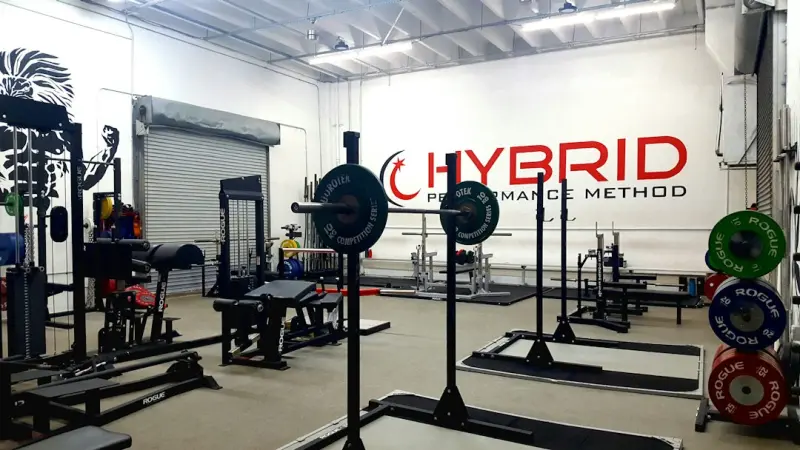
When I first stepped into the corporate world, I thought health meant a membership card to the nearest gym and a handful of kale smoothies. Years later, after countless conference calls, standing desks, and a stubborn love‑hate relationship with my smartwatch, I’ve learned that true vitality isn’t born from epic workouts or trendy diets. It’s forged in the tiny, almost invisible moments that pepper our days—those micro‑habits that, when stacked, rewire our bodies and minds from the inside out.
The myth of the “big‑change” makeover
We’re sold a story that health is a series of monumental decisions: “Run a marathon,” “Quit sugar,” “Switch to a plant‑based diet.” While there’s nothing wrong with ambitious goals, the reality is that most of us live in environments that reward consistency over intensity. The office, with its back‑to‑back meetings, endless email threads, and perpetual screen glow, is a perfect breeding ground for the “all‑or‑nothing” mindset. The problem? It’s unsustainable. Most people abandon the grand plan after a few weeks, feeling defeated and, frankly, exhausted.
Enter the concept of micro‑habits—tiny, repeatable actions that require almost no willpower and fit seamlessly into the flow of a workday. Think of them as the health equivalent of “pixel art”: each tiny dot seems insignificant, but together they form a vibrant picture.
Micro‑movement: The secret weapon for desk‑bound bodies
Our bodies are built to move, yet we spend roughly six to eight hours seated each day. The research is clear: prolonged sitting is linked to higher risks of cardiovascular disease, diabetes, and even certain cancers. But here’s the good news: you don’t need a full‑blown workout to counteract it. The magic lies in micro‑movements—short bursts of activity that interrupt sedentary time.
- The 30‑second stand‑up sprint: Every hour, set a timer. When it buzzes, stand, stretch, and march in place for 30 seconds. Your heart rate spikes just enough to boost circulation without breaking your workflow.
- Desk‑push‑up series: Place your hands on the edge of your desk, walk your feet back, and perform 5–10 push‑ups. It’s a quick upper‑body blast that also engages your core.
- Calf‑raise cascade: While waiting for a download or a colleague’s response, rise onto your toes, hold for two seconds, then lower. Repeat 15–20 times. This simple move improves lower‑leg blood flow and reduces swelling.
These micro‑movements can be woven into the fabric of your day without a single disruption to productivity. And the cumulative effect? A noticeable boost in energy, reduced stiffness, and a sharper focus—thanks to the increased oxygen flow to your brain.
Breathing breaks: Recalibrating the nervous system
Stress is the silent, invisible health assassin in the modern office. Cortisol spikes, shallow breathing, and a racing mind become the norm. Yet, a five‑minute breathing break can reset your nervous system in ways that coffee simply can’t.
Try the 4‑7‑8 technique: inhale through your nose for a count of four, hold for seven, and exhale slowly through your mouth for eight. Doing this twice a day—once mid‑morning, once mid‑afternoon—activates the parasympathetic nervous system, lowering heart rate and fostering a calm, focused state. It’s a micro‑habit that costs nothing but delivers profound mental clarity.
Ambient health: Light, sound, and scent as allies
Most of us obsess over ergonomic chairs and standing desks, but we rarely consider the subtle power of our surroundings. Lighting, sound, and even scent can either sabotage or support our health.
Light: Natural daylight regulates our circadian rhythm, influencing sleep quality and hormone production. If your office window is a distant memory, invest in a light therapy lamp. Position it to the side of your screen to reduce glare while delivering the morning sunlight dose your body craves.
Sound: The constant hum of an open‑plan office can elevate stress. Noise‑cancelling headphones paired with low‑volume ambient soundscapes (think gentle rain or distant waves) can lower blood pressure and improve concentration. A simple “focus playlist” can become a health ritual.
Scent: Certain aromas, like rosemary and peppermint, have been shown to enhance alertness and memory. A discreet diffuser at your desk can turn a bland workspace into a subtle, health‑boosting sanctuary.
Digital health data: The privacy paradox
We’re living in an age where health data is a goldmine for both wellness innovators and marketers. Wearables track heart rate variability, sleep cycles, and stress levels—data that can empower us to fine‑tune our micro‑habits. But with great data comes great responsibility.
When you share health metrics with an app, you’re entrusting that platform with some of the most intimate details of your life. That’s why understanding privacy‑first hosting principles matters, even for personal health tools. Choose services that encrypt data end‑to‑end, offer clear consent mechanisms, and give you control over what’s shared. Your health journey should be private, not a marketing billboard.
Low‑code health tools: Empowering the non‑developer
If you’ve ever thought, “I wish I could track my own nutrition without a pricey subscription,” you’re not alone. The rise of low‑code platforms has democratized app creation, allowing anyone with a bit of curiosity to build custom health trackers.
Imagine a simple dashboard that pulls your step count, hydration reminders, and even a mood journal into one view. You can set triggers—like a notification to stand up after 45 minutes of sitting—without writing a single line of code. These tools empower you to tailor micro‑habits to your unique rhythm, making health a personalized, adaptable practice rather than a one‑size‑fits‑all program.
Micro‑nutrition: The power of bite‑sized nourishment
When we talk about nutrition, the conversation usually jumps to “meal planning” or “macro counting.” Yet, the real secret to sustained energy lies in the timing and size of our bites. Here’s a micro‑nutrition playbook you can start tomorrow:
- Micro‑snack intervals: Instead of three large meals, aim for 5–6 mini‑snacks spaced 2–3 hours apart. Each snack should combine protein, healthy fat, and fiber—think a handful of almonds with a piece of fruit.
- Hydration micro‑bursts: Keep a 250 ml bottle on your desk. Take a sip every 20 minutes. This prevents the sluggishness that comes from chronic mild dehydration.
- Vitamin D micro‑dose: If you can’t get sunlight, consider a small, daily supplement. Even 400 IU can make a difference in mood and immune function.
These micro‑nutrition strategies keep blood sugar stable, stave off the “afternoon slump,” and support overall metabolic health without the stress of strict dieting.
Building a micro‑habit ecosystem
Micro‑habits thrive when they’re linked together in a supportive loop. Here’s a simple framework you can adopt:
- Trigger: Identify an existing routine—like checking your email.
- Micro‑action: Pair a 30‑second stretch or breathing exercise immediately after the trigger.
- Reward: Celebrate with a quick mental note of gratitude or a sip of water.
- Stack: Once the first micro‑habit feels automatic, add another—perhaps a 5‑minute walk after lunch.
By anchoring each new habit to a reliable cue, you bypass the brain’s resistance to change. Over weeks, these tiny actions compound into a robust health ecosystem that feels natural rather than forced.
Why the office needs a health culture shift now
Companies are finally waking up to the ROI of employee wellbeing—lower turnover, higher engagement, and better performance. However, many wellness programs still focus on grand gestures: annual health fairs, gym memberships, or occasional mindfulness workshops. While valuable, they miss the daily reality of where health actually happens: at the desk, during the commute, and in the quiet moments between meetings.
Leadership can champion micro‑habits by:
- Encouraging short “movement breaks” during long calls.
- Providing standing desks or balance boards as standard equipment.
- Sharing resources on low‑code health apps, empowering teams to craft bespoke tools.
- Adopting privacy‑first policies for any health data collected, reinforcing trust.
When the culture supports these bite‑size practices, the entire organization benefits from a healthier, more resilient workforce.
Putting it all together: Your 7‑day micro‑habit starter kit
Ready to test the theory? Here’s a simple, seven‑day plan you can follow. No gym membership required.
- Day 1 – Light & Sound Reset: Place a light therapy lamp on your desk for 20 minutes in the morning. Pair it with a calming ambient playlist during your first deep‑focus session.
- Day 2 – Breathing Break: Set a calendar reminder for 10 am and 3 pm. Perform the 4‑7‑8 breathing technique for two minutes each time.
- Day 3 – Micro‑Movement Hourly: Use a phone alarm to stand, stretch, and do five desk‑push‑ups every hour.
- Day 4 – Scent Boost: Add a peppermint diffuser to your workspace. Notice any change in alertness.
- Day 5 – Low‑Code Tracker: Spend 15 minutes building a simple health dashboard with a low‑code tool. Track steps, hydration, and mood.
- Day 6 – Micro‑Nutrition Sprint: Switch to five mini‑snacks, each with protein, fat, and fiber. Log the timing in your new dashboard.
- Day 7 – Reflect & Adjust: Review your data, note what felt natural, and choose two habits to keep for the next week.
After a week, you’ll likely notice more energy, fewer aches, and a clearer mind—proof that health isn’t about massive overhauls but about the consistent, tiny choices we make.
Conclusion: The future of health is micro, not massive
In an era obsessed with disruption, the most profound change often comes from the smallest, most consistent actions. Micro‑habits empower us to take control of our wellbeing without the overwhelm of grand, unsustainable programs. By integrating movement, breath, ambient cues, privacy‑aware data, and low‑code customization into our daily routines, we create a health ecosystem that is adaptable, personal, and resilient.
So the next time you hear someone say, “I don’t have time for health,” smile and point to the 30‑second stand‑up sprint on your calendar. In that tiny moment lies the power to transform not just your day, but your entire relationship with health.

When it comes to the world of blogging and writing, Rose DesRochers is a name that stands out. Her passion for creating quality content and connecting with her audience has made her a trusted voice in the industry. Aside from her skills as a writer and blogger, Rose is also known for her compassionate nature.
Related Posts
Micro‑Habits for Peak Health: Small Wins, Big Impact
Micro‑habits are bite‑sized actions that fit into a packed schedule, delivering big health benef... Read More
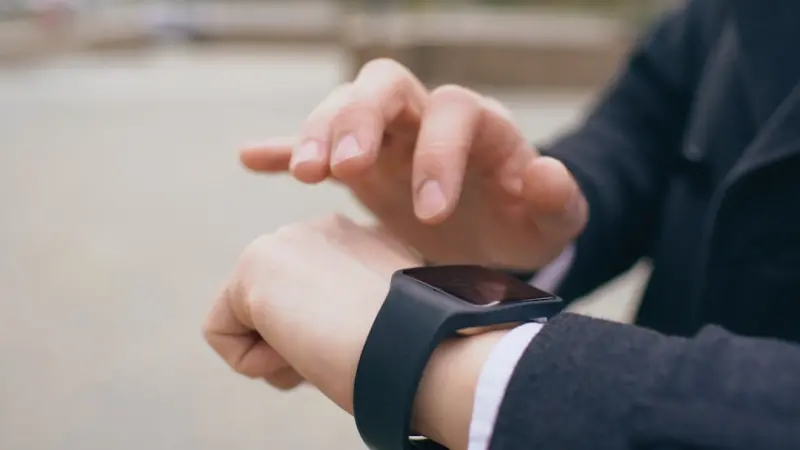
Wearable Tech & Digital Therapeutics: The New Health Frontier
From continuous monitoring to AI‑driven personalized care, wearables are becoming the frontline of... Read More

Why Mindful Movement Is the Health Revolution of 2026
Discover the 2026 health revolution: integrate mindful movement, sustainable nutrition, and smart te... Read More
Top Posts

When Toys Get Smart: How AI Is Reimagining Playtime
AI-powered toys are reshaping childhood by offering personalized, interactive experiences. Discover the tech behind them, how to choose the right ones, and futu...Read More

The Branded Backlink Dilemma: Is Buying Links with Your Brand Name Worth the Investment?
The pursuit of high-quality backlinks remains a cornerstone of successful search engine optimization (SEO). While SEO professionals diligently focus on natural,...Read More
6 Ways to Clean Your Bathroom the Eco-Friendly Way
The bathroom, a sanctuary for personal hygiene and rejuvenation, ironically often becomes a hotspot for toxic chemicals. Traditional bathroom cleaners, laden wi...Read More

How AI is Transforming the Live Stadium Experience
Artificial intelligence is redefining every touchpoint of the live stadium experience—from personalized fan journeys and dynamic pricing to real‑time safety...Read More
0 Comments
Post Comment
You will need to Login or Register to comment on this post!